Blog - Detroit Axle

Category:

Rack and Pinion Steering Diagram: Parts and How They Work Together

Rack and Pinion Steering Diagram: Parts and How They Work Together

June 18, 2026

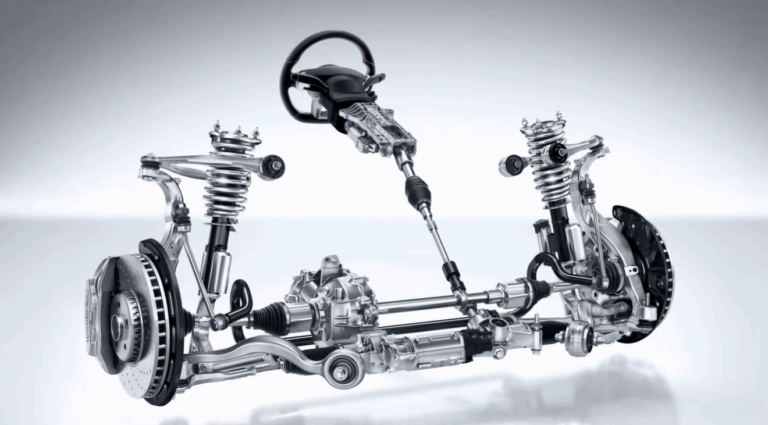
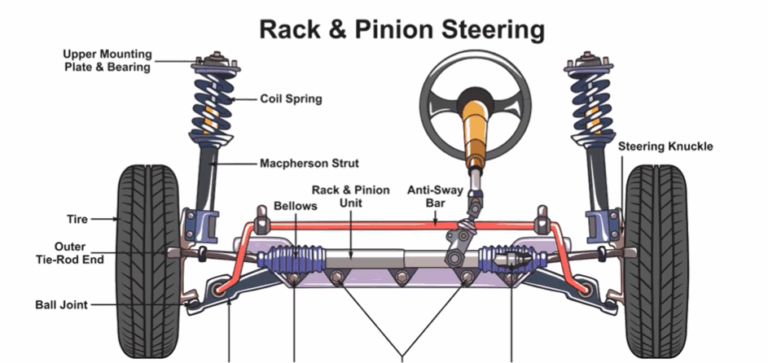
The rack and pinion steering system is the most common steering setup found in modern passenger vehicles. It transforms the steering wheel’s rotational movement into the side-to-side motion required to turn the front wheels. It can be simpler to diagnose steering issues, spot worn parts, and decide whether repairs or replacements are required if you know how the system operates. We’ve worked with steering, suspension, and wheel-end components for years, and we’ve seen how a...

Read More
Rack and Pinion Repair vs Replacement: Which Option Is Worth It?

Rack and Pinion Repair vs Replacement: Which Option Is Worth It?

June 16, 2026

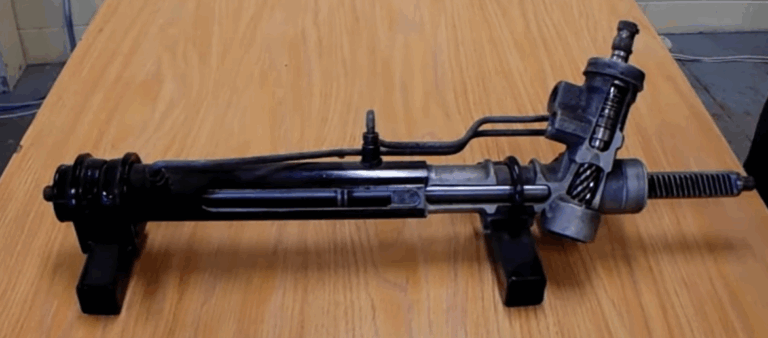
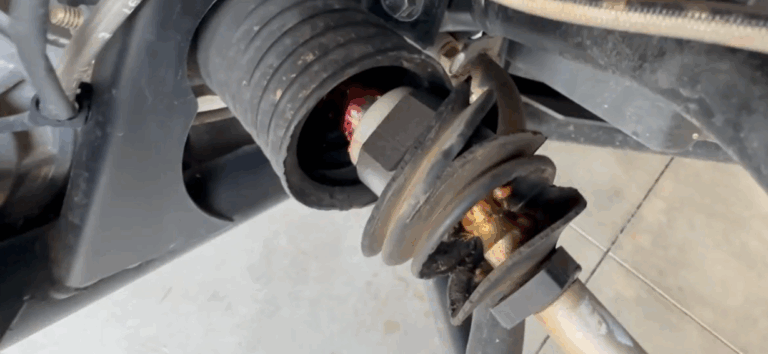
Rack and pinion steering systems play a major role in how your vehicle handles, responds to steering input, and stays controlled on the road. When problems develop, many drivers face the same question: should you repair the rack and pinion or replace it entirely? The extent of the damage, the cost of repairs, the age of the automobile, and the length of time you want to keep it all influence the response. While some problems can be resolved with comparatively small fixes, others show internal...

Read More
Bad Rack and Pinion Symptoms: 8 Signs You Should Never Ignore

Bad Rack and Pinion Symptoms: 8 Signs You Should Never Ignore

June 14, 2026

A failing rack and pinion can quickly turn a smooth-driving vehicle into one that feels unstable, noisy, and difficult to control. Ignoring early warning indicators can result in costly repairs, uneven tire wear, and major safety issues because the rack and pinion system directly affects steering precision. When internal seals, gears, or steering components start to wear out, symptoms typically start out slowly before getting worse. However, modern steering systems are made to provide...

Read More
Wheel Bearing Removal Tools: Best Options for DIY Mechanics

Wheel Bearing Removal Tools: Best Options for DIY Mechanics

June 10, 2026

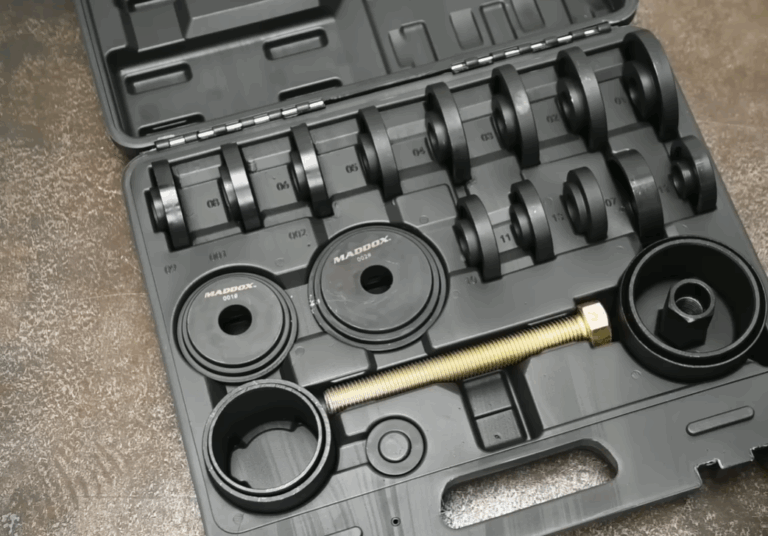
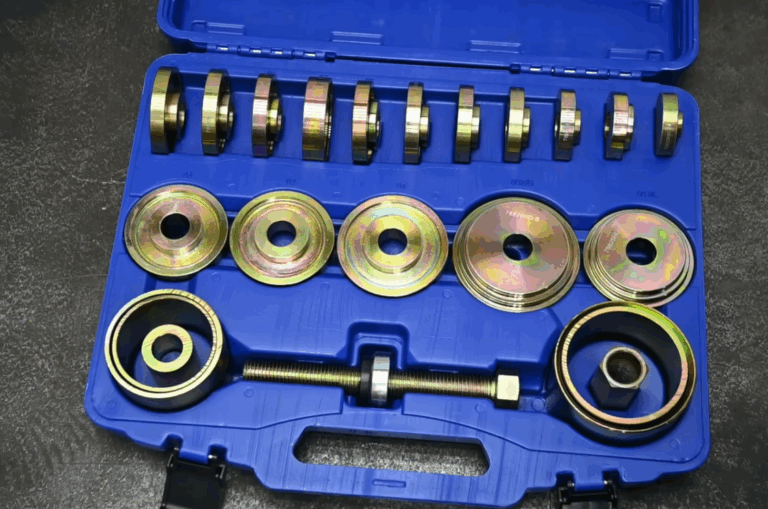
Wheel bearing removal tools make it possible to service worn bearings safely without damaging the hub, knuckle, or surrounding suspension components. Selecting the appropriate equipment can save hours of aggravation and lower the chance of expensive errors, whether you’re repairing a loud bearing, installing a new hub assembly, or learning how to remove wheel bearings without press sets. We have worked on everything from contemporary press-fit hub assemblies found on SUVs, trucks, and...

Read More
Wheel Hub Assembly Diagram: Parts Breakdown & How They Fit Together

Wheel Hub Assembly Diagram: Parts Breakdown & How They Fit Together

June 8, 2026

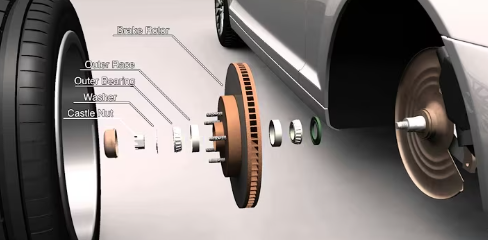
The wheel hub assembly plays a major role in how your vehicle handles, steers, and supports the wheel itself. The wheel hub, wheel bearing, mounting flange, and frequently the ABS sensor are all combined into one unit in modern hub assemblies. It might be a lot simpler to diagnose noises, vibrations, and steering problems if you understand how these components work together. Ignoring a deteriorating hub assembly can result in wheel play, uneven tire wear, ABS warning lights, and even dangerous...

Read More
Wheel Bearing Press: Tools, Kits & How to Use One Properly

Wheel Bearing Press: Tools, Kits & How to Use One Properly

June 5, 2026

A wheel bearing press is one of the most important tools used when replacing press-fit wheel bearings safely and correctly. Improper installation might lower the hub assembly’s lifespan, harm the replacement bearing, interfere with ABS operation, or even cause early noise. Knowing how a wheel bearing press operates can make the replacement process go more smoothly and dependably, whether you’re doing repairs at home or at a professional shop. Many contemporary cars, particularly...

Read More
Lower Control Arm Diagram: Parts and How They Work

Lower Control Arm Diagram: Parts and How They Work

May 28, 2026

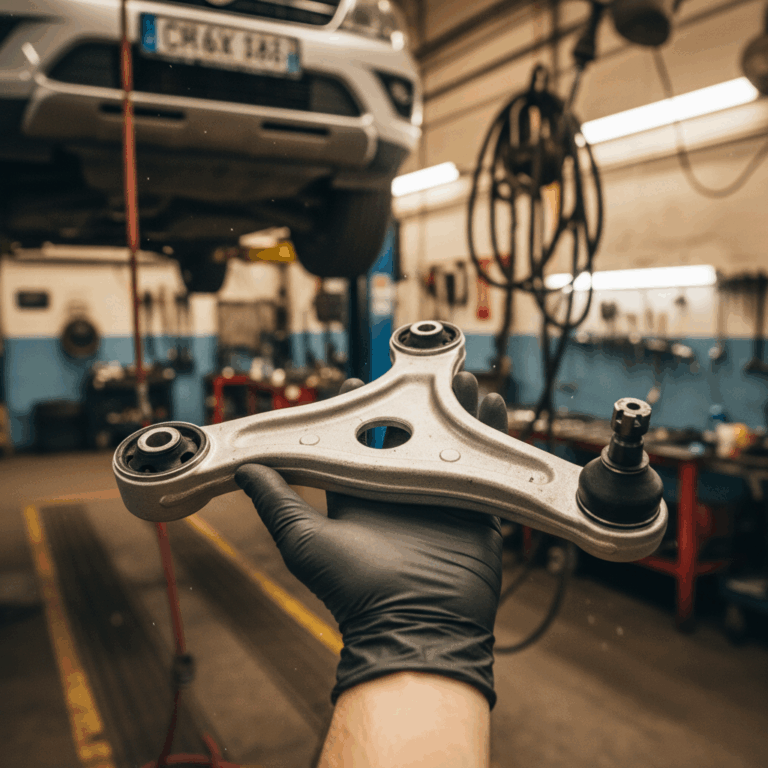
A lower control arm is built from three parts that matter. The arm body. The bushings where it bolts to the frame. The ball joint where it connects to the wheel. That’s the whole anatomy. The body is the A-shaped or L-shaped piece you can see, usually stamped steel. The bushings are the rubber-and-metal sleeves at the frame end. The ball joint is the swiveling stud at the wheel end. Understand those three and you understand why a control arm fails where it does. After six years pulling...

Read More
Lower Control Arm Bolt Torque Specs (2026 Reference Guide)

Lower Control Arm Bolt Torque Specs (2026 Reference Guide)

May 28, 2026

Lower control arm bolt torque specs vary by vehicle, but most passenger cars land between 75 and 130 ft-lbs on the frame (pivot) bolts and 30 to 55 ft-lbs on the ball joint pinch bolt. Trucks and full-size SUVs run higher, often 125 to 220 ft-lbs on the big mounting bolts. But I’ll tell you right now, the number on the wrench isn’t what people get wrong. It’s when they pull the trigger. You torque a lower control arm bolt with the suspension loaded, at ride height, not hanging...

Read More
Front vs Rear Wheel Bearings: Differences, Symptoms & Replacement Guide

Front vs Rear Wheel Bearings: Differences, Symptoms & Replacement Guide

May 28, 2026

Wheel bearings are one of those components most drivers never think about—until something goes wrong. Whether it’s a faint humming noise at highway speed or a sudden vibration through the steering wheel, bearing issues can escalate quickly if ignored. Understanding the differences between front and rear wheel bearings, how they fail, and what replacement involves can save you from expensive repairs and unsafe driving conditions.  Front wheel bearings typically endure more stress due to...

Read More
Best Wheel Bearing Brand for Chevrolets (Top Picks for Chevy Cars, Trucks & SUVs)

Best Wheel Bearing Brand for Chevrolets (Top Picks for Chevy Cars, Trucks & SUVs)

May 28, 2026

Choosing the best wheel bearing brand for Chevrolets matters because many Chevrolet vehicles rely on integrated hub assemblies that combine the wheel bearing and ABS sensor into a single unit. Shortly after installation, a poor-quality bearing may cause early vibration, buzzing, or even ABS warning lights. Heavy stresses are also frequently placed on wheel bearings by Chevrolet trucks and SUVs, particularly while towing or traveling over uneven terrain. Installing a dependable bearing the first...

Read More
How to Replace a Lower Control Arm (Step-by-Step DIY Guide)

How to Replace a Lower Control Arm (Step-by-Step DIY Guide)

May 26, 2026

Replacing a lower control arm is a solid intermediate DIY job. If you can run a socket set, separate a ball joint, and you own a torque wrench, you can knock this out in your driveway in about 1.5 to 3 hours per side. The work itself is straightforward: drop the wheel, separate the ball joint, pull the sway bar link, back out the pivot bolts, swap the arm, torque everything with the suspension loaded. The two things that bite people are rusted hardware and skipping the alignment after....

Read More
How Long Do Lower Control Arms Last? (Lifespan & When to Replace)

How Long Do Lower Control Arms Last? (Lifespan & When to Replace)

May 24, 2026

Most lower control arms last 90,000 to 100,000 miles, and plenty go well past that. But here’s the part that trips people up: the arm itself almost never wears out. What wears out is the rubber bushings pressed into it and the ball joint riveted to the end. When I tell someone their control arm is “bad,” I usually mean one of those two parts has had enough. Six years at a Toyota and Lexus shop in Fullerton, and now doing mobile work in Orange, I’ve seen the same pattern...

Read More
Best Wheel Bearing Brand for Toyotas (Top Picks for Reliability & Longevity)

Best Wheel Bearing Brand for Toyotas (Top Picks for Reliability & Longevity)

May 21, 2026

Choosing the best wheel bearing brand for Toyotas matters because Toyota vehicles are known for long-term reliability, quiet driving characteristics, and smooth ride quality. A poor-quality wheel bearing can soon cause vibration, humming sounds, or ABS problems that detract from the elegant feel that many Toyota buyers anticipate. Long-term durability is particularly crucial because Toyota cars often have high mileage. Whether it’s a Tacoma utilized for outdoor driving and carrying, a...

Read More
Clicking Noise from Front Wheel When Driving (Causes, Diagnosis, and Fixes)

Clicking Noise from Front Wheel When Driving (Causes, Diagnosis, and Fixes)

May 16, 2026

A clicking noise from the front wheel when driving usually indicates a worn or damaged component in the suspension, steering, or wheel assembly. Turning, accelerating, or going over bumps frequently make the sound more audible. Because the front wheel area is home to a number of interconnected components, such as pieces from the steering and suspension systems, this kind of noise is significant. Many times, determining the precise cause necessitates examining several parts at once. Key Points...

Read More
Wheel Bearing Grease: Types, Uses & How to Apply

Wheel Bearing Grease: Types, Uses & How to Apply

May 13, 2026

Wheel bearing grease plays a critical role in keeping your vehicle’s wheel bearings protected, cool, and operating smoothly. Inadequate oil can cause bearings to overheat, wear down too quickly, and eventually fail, resulting in vibration, noise, and costly repairs. Knowing the right kind of grease and how to apply it may greatly increase bearing life, whether you’re maintaining heavy-duty applications, trailer hubs, or older serviceable wheel bearings. Using the incorrect lubricant or...

Read More
Best Wheel Bearing Brand for Fords (Top Picks for Trucks, SUVs & Cars)

Best Wheel Bearing Brand for Fords (Top Picks for Trucks, SUVs & Cars)

May 11, 2026

Choosing the best wheel bearing brand for Fords matters because Ford vehicles often place higher loads on wheel bearings than many smaller passenger cars. Lower-quality bearings can be worn out more quickly by trucks like the F-150, SUVs like the Explorer, and heavier crossovers—especially when towing, carrying, or driving on bad roads. A premium wheel bearing enhances steering feel, lowers road noise, and promotes long-term safety. An inexpensive bearing could save you money up front, but...

Read More
Best Wheel Bearing Brand (Top Picks and What to Look For)

Best Wheel Bearing Brand (Top Picks and What to Look For)

May 9, 2026

Choosing the best wheel bearing brand matters because it directly affects lifespan, noise levels, and overall driving safety. A high-quality bearing can last years, while a low-quality one may fail early and require repeating the entire repair. Depending on the car manufacturer, some brands also do better. The ideal wheel bearing brand may change depending on the vehicle’s weight and hub configuration. For instance, some models are known for long-term dependability on Toyota sedans, while...

Read More
Why Is My Car Pulling to the Left or Right? (Causes and Fixes)

Why Is My Car Pulling to the Left or Right? (Causes and Fixes)

May 2, 2026

When a car pulls to the left or right, it usually indicates an issue with alignment, tires, braking components, or steering system parts. To keep the car in a straight line, the steering may need to be adjusted frequently or the vehicle may drift a little. Handling, tire wear, and general driving safety may all be impacted by this issue. While some cases of pulling develop gradually, others may manifest abruptly. Determining if the pulling occurs during braking, acceleration, or continuous...

Read More
What Is Power Steering? (How It Works and Why It Matters)

What Is Power Steering? (How It Works and Why It Matters)

April 28, 2026

Power steering is a system that helps drivers turn the steering wheel with less effort. It employs electronic or hydraulic assistance to lessen the force required to steer the car, particularly when parking or at low speeds. It would take a lot more physical effort to turn the wheel without power steering, especially in bigger cars. Power steering is essential to modern cars for safety, comfort, and precise handling. Drivers may experience irregular steering response, strange noises, or stiff...

Read More
Why Does My Power Steering Pump Whine? (Causes and Fixes)

Why Does My Power Steering Pump Whine? (Causes and Fixes)

April 26, 2026

A whining power steering pump usually indicates a problem with fluid flow, pressure, or internal pump wear. Turning the steering wheel or performing low-speed movements like parking frequently makes the noise more audible. The sound is typically an early warning that something in the system needs to be fixed, even though the car may initially still steer normally. Drivers frequently characterize the sound as a high-pitched grumble or whine that varies depending on engine speed. This occurs...

Read More
How to Fix a Power Steering Leak (Step-by-Step Guide)

How to Fix a Power Steering Leak (Step-by-Step Guide)

April 24, 2026

A power steering leak should be fixed quickly because low fluid can damage the pump and cause loss of steering assist. The location of the leak (hoses, fittings, the pump, or the rack and pinion itself) determines the repair technique. Drivers frequently become aware of a leak when the steering stiffens or fluid starts to appear beneath the front of the car. Early leak repair can avoid more costly repairs and bring back reliable steering. Common Causes of Power Steering Leaks The most common...

Read More
Bad Lower Control Arm Symptoms (6 Warning Signs)

Bad Lower Control Arm Symptoms (6 Warning Signs)

April 22, 2026

A worn lower control arm rarely announces itself clearly. It starts as a clunk you can almost ignore, or steering that’s just a little off. Quick refresher on the parts of a lower control arm if you need it: the wear lives in the bushings and ball joint, never in the arm body itself. Most people chalk it up to bad roads or old tires. By the time the symptoms are obvious, the ball joint or bushing is usually past the point where you should be driving on it. Here are the six warning signs...

Read More
Upper vs Lower Control Arm: Differences, Cost & Replacement

Upper vs Lower Control Arm: Differences, Cost & Replacement

April 22, 2026

Not every car has both an upper and a lower control arm, but if yours does, they’re doing different jobs with different failure rates and very different replacement costs. The lower arm is the workhorse. The upper arm is the fine-tuner. Both matter, but confusing one for the other on a quote can cost you real money. Here’s the difference between an upper and lower control arm, which cars have each, and what you’re looking at when one of them needs replacing. Key Points to...

Read More
What Does a Lower Control Arm Do? (Function & Parts)

What Does a Lower Control Arm Do? (Function & Parts)

April 22, 2026

The lower control arm is one of those parts drivers only learn about after something goes wrong. It’s hiding under the front of the car doing three jobs at once, and when it wears out you feel it in the steering, the tires, and the ride. Here’s what a car’s lower control arm actually does, how it’s built, and why it’s the single suspension part most worth understanding if you plan to keep your car past 100,000 miles. Key Points to Review The lower control arm...

Read More
1 2 3
Brake