
Why Does My Power Steering Pump Whine? (Causes and Fixes)
·By Lawrence Ma

A whining power steering pump usually indicates a problem with fluid flow, pressure, or internal pump wear. Turning the steering wheel or performing low-speed movements like parking frequently makes the noise more audible. The sound is typically an early warning that something in the system needs to be fixed, even though the car may initially still steer normally.
Drivers frequently characterize the sound as a high-pitched grumble or whine that varies depending on engine speed. This occurs because the pump is belt-driven, and when RPM rises, any problem impacting fluid pressure or pump performance will alter the sound.
Key Points to Review
This guide explains:
- What causes a whining power steering pump
- When power steering pump noise is most noticeable
- What different whining sounds indicate
- Whether the noise is serious
- How to prevent power steering pump noise
Low Power Steering Fluid
Low fluid is the most common cause of power steering pump whining. The pump starts pulling in air when the fluid falls below the minimum level, producing a whining or groaning sound.
Typical signs include:
- Noise when turning the wheel
- Steering that feels slightly stiff
- Fluid level below minimum
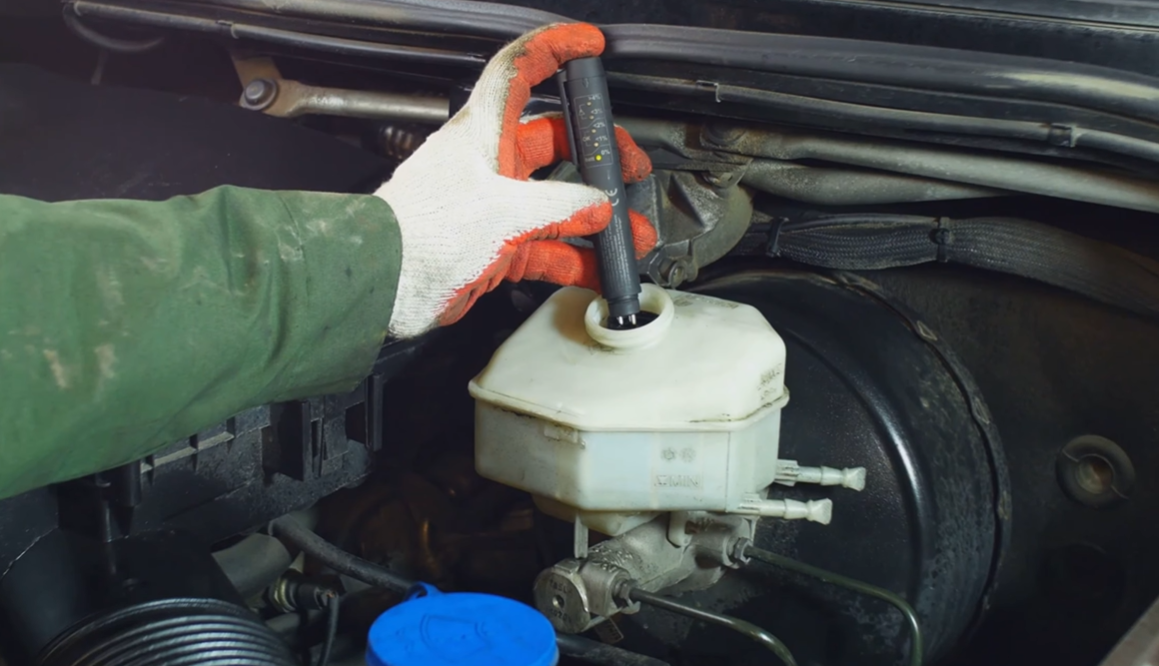
In one situation, we had a mid-size sedan that developed a whining noise mainly during slow parking maneuvers. At first glance, the fluid level appeared acceptable, although it was only marginally below the required amount. The loudness subsided but did not completely go away after topping it off. Upon closer examination, we discovered that the fluid had microscopic air bubbles and a slightly darker hue, which suggested aeration and early contamination. The noise considerably decreased after bleeding the system by repeatedly twisting the steering wheel lock-to-lock and allowing the car to idle. When the driver came back a few days later, we found a little leak at the return hose clamp that only leaked when pressure was applied. The problem was permanently fixed by tightening the clasp. This demonstrated how even a tiny fluid drop mixed with air infiltration can result in audible pump noise prior to the development of a visible breach.
Air in the Power Steering System
Air trapped in the system disrupts smooth fluid flow and causes noise. This often happens after a leak, fluid change, or component replacement.
Common symptoms:
- Foamy or bubbly fluid
- Jerky steering
- Whining noise that comes and goes
In a previous case, a driver replaced a hose but didn’t properly bleed the system. The pump kept complaining even though the fluid level was proper until the air was eliminated by repeatedly twisting the wheel lock-to-lock.
Worn or Failing Power Steering Pump
As the pump ages, internal components wear out, reducing its ability to build pressure. This creates a consistent whining noise that usually gets louder over time.
Signs of pump wear:
- Constant whining noise
- Noise increases with RPM
- Steering assist may weaken
We've come across pumps that were silent when the fluid was cold but started to whine when it warmed up. Internal wear and decreased efficiency are usually indicated by this.
Contaminated or Old Fluid
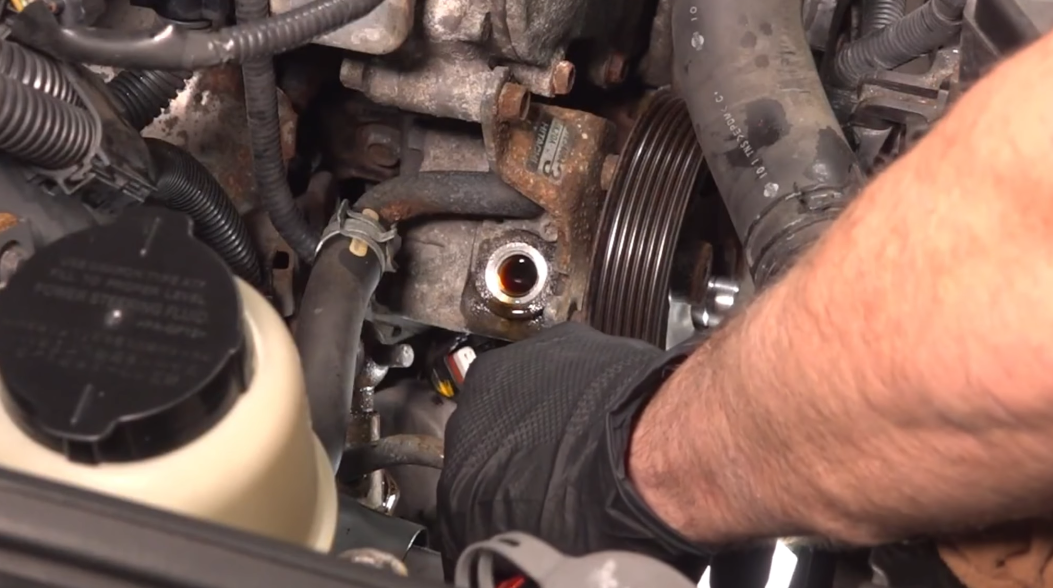
Old or dirty fluid reduces lubrication and increases friction inside the pump. Debris can eventually harm pump parts and produce noise.
You may notice:
- Dark or burnt-smelling fluid
- Gradual increase in noise
- Slightly heavier steering
Flushing the system sometimes reduces noise if the pump isn’t already damaged. This is comparable to circumstances when inconsistent steering performance is caused by deteriorated fluid.
We recently encountered a compact SUV where the owner reported a constant whining sound that increased with engine speed but didn’t change much when turning. There were no visible leaks, and the fluid reservoir was full. But the fluid seemed darker than usual and smelled a little scorched. We discovered tiny metallic particles in the fluid after draining a small sample, which indicated internal wear. We carefully bled the system after performing a complete flush and replenishing with new fluid. Although it didn't entirely go away, the noise did get a little better. The whining gradually resumed over the course of the following week, indicating that the pump had already experienced internal wear as a result of using deteriorated fluid. In this instance, the flush provided short-term relief, but replacing the pump was the long-term fix. Even when the system seems to be operating smoothly, situations like this demonstrate how fluid condition has a significant impact on pump longevity.
Loose or Worn Drive Belt
Since the pump is driven by a belt, a slipping or worn belt can cause whining or squealing noises.
Common symptoms:
- Noise at startup
- Noise when turning
- Steering improves when accelerating
I’ve seen cases where the belt looked fine visually but slipped slightly under load. Replacing the belt eliminated the whining completely.
Restricted or Damaged Power Steering Hose
A clogged or damaged hose can restrict fluid flow, causing the pump to work harder and produce noise.
Possible causes:
- Internal hose collapse
- Blocked return line
- Kinked hose
Even with appropriate fluid levels, these problems can lead to persistent complaining, albeit they are less frequent.
When the Whining Noise Occurs
Understanding when the noise happens helps narrow down the cause:
Noise when turning:
Often caused by low fluid or air in the system.
Noise at idle:
Usually indicates weak pump output or belt slip.
Noise at startup:
May point to fluid drain-back or worn pump seals.
Noise all the time:
Often indicates pump wear or contaminated fluid.
What the Whining Noise Can Tell You

The kind of whining sound and the time it happens can be used to determine the root cause. Before parts are changed, diagnosis is frequently made easier by paying attention to how the sound changes.
Whine that gets louder when turning the wheel
Whine that gets louder when turning the wheel typically means that the pump is having trouble keeping up pressure. Common causes include low fluid levels or air in the system. Because the pump has to work harder during steering input, the noise gets louder.
Whine that increases with engine RPM
Whine that increases with engine RPM frequently indicates if the noise varies in direct proportion to engine speed. Higher RPM increases pump speed and intensifies internal noise because the pump is belt-driven..
Whine mostly at low speeds or while parking
At low speeds, power steering systems offer the greatest assistance. During parking maneuvers, the noise is more audible if the fluid flow is restricted if the pump is weak.
Whine only when the vehicle is cold
Thick fluid or early-stage pump wear may be the cause of noise that goes away after warming up. The fluid flows more readily as it warms, which momentarily lessens the sound.
Constant whining regardless of steering input
Internal pump deterioration or tainted fluid are frequently indicated by a persistent noise. In these situations, even when the steering wheel is not rotated, the pump can be running inefficiently.
Knowing these trends makes it easier to determine if the problem is mechanical, fluid-related, or the result of typical pump wear.
Is a Whining Power Steering Pump Serious?
Yes, a whining pump is usually an early warning. The vehicle may still steer normally, but continued driving can lead to:
- Pump failure
- Loss of steering assist
- Increased repair cost
Addressing the issue early helps prevent additional damage.
Preventing Power Steering Pump Noise
Preventive steps include:
- Checking fluid regularly
- Fixing leaks early
- Flushing old fluid
- Inspecting drive belts
- Listening for early noise
We’ve seen small fluid leaks ignored until the pump began whining. Fixing the leak early would have prevented pump replacement.
FAQs
Why is my power steering pump whining but fluid is full?
A power steering pump can whine even when fluid is full because air may still be trapped in the system, the fluid may be contaminated, or the pump may be worn internally. A restricted hose can also cause noise despite correct fluid levels. Sometimes the fluid looks full but has air bubbles in it, which lowers hydraulic efficiency and produces whining noises. Verifying whether trapped air is the problem can be done by looking for frothy fluid or bleeding the system.
Can I drive with a whining power steering pump?
Yes, you can drive with a whining power steering pump, but the noise often indicates a developing issue. Driving too long could harm the pump and eventually cause steering assistance to stop working. Internal parts may deteriorate more quickly as the pump tries to maintain pressure, which raises the possibility of abrupt stiffness when turning, particularly at low speeds or when parking.
Will flushing fix power steering pump noise?
Flushing may fix power steering pump noise if the sound is caused by contaminated fluid or minor restriction in the system. It won't, however, address internal pump wear. It won't, however, address internal pump wear. Even after adding new fluid, the noise can persist if debris has already harmed the pump's interior surfaces. Flushing works best when done before noticeable wear develops.
Does a whining pump mean it needs replacement?
A whining power steering pump does not always mean it needs replacement. Low fluid, air, or belt issues can cause noise. After they are fixed, replacing the pump might be required if the sound persists. After they are fixed, replacing the pump might be required if the sound persists. Internal pump wear is frequently indicated by persistent whining that intensifies with engine speed or persists even after bleeding the system.