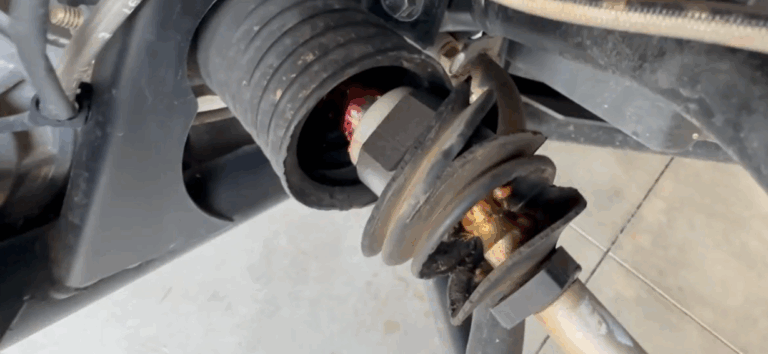
A failing rack and pinion can quickly turn a smooth-driving vehicle into one that feels unstable, noisy, and difficult to control. Ignoring early warning indicators can result in costly repairs, uneven tire wear, and major safety issues because the rack and pinion system directly affects steering precision.
When internal seals, gears, or steering components start to wear out, symptoms typically start out slowly before getting worse. However, modern steering systems are made to provide consistent feedback and predictable handling. One of the most frequent errors we’ve observed over the years dealing with steering, suspension, and wheel-end systems is drivers presuming steering problems are “normal age” rather than identifying them early. Early detection of a failed rack frequently prevents damage to other equipment like suspension, tie rods, and pumps.
Key Points to Review
This guide covers:
- Common bad rack and pinion symptoms
- How steering performance changes when the rack fails
- Signs of internal leaks and hydraulic problems
- Causes of rack and pinion wear
- When replacement becomes necessary
- Whether it is safe to continue driving
What Does a Rack and Pinion Do?
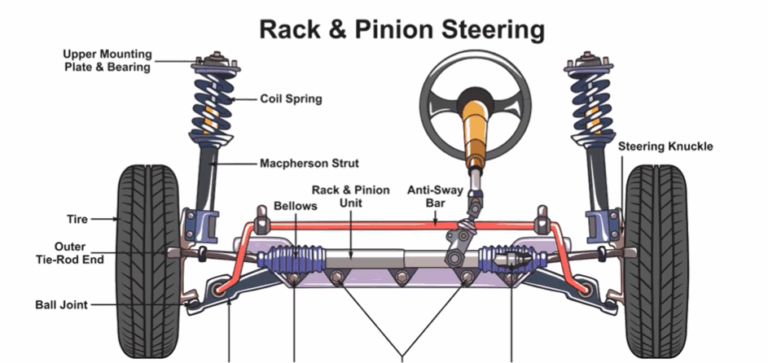
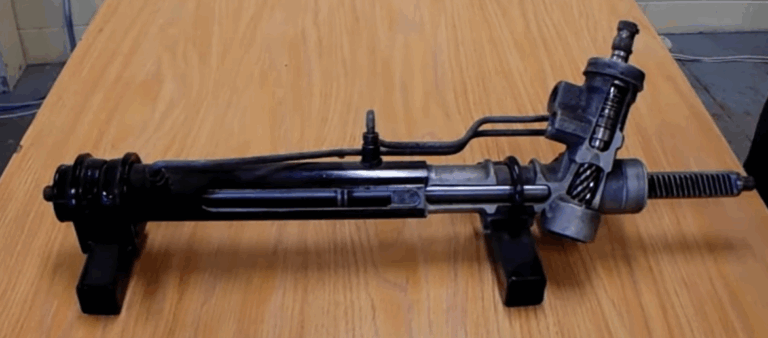
The rack and pinion system converts the rotational movement of the steering wheel into side-to-side movement that turns the front wheels. Because it provides greater steering precision and quick handling, it is one of the most popular steering concepts in contemporary cars.
Knowing what a rack and pinion is and the many kinds of rack and pinion systems will help you comprehend why these parts eventually wear out if you’re not familiar with steering system design. Many steering-related symptoms coincide with questions about what power steering is and how rack and pinion steering differs from power steering since rack and pinion assemblies also interact closely with hydraulic or electric assist systems.
Power steering fluid pressure aids in lowering steering effort in hydraulic systems. The rack assembly’s internal seals, gears, bushings, and valves all cooperate constantly when the car is being driven. Over time, heat, fluid contamination, and normal wear eventually begin affecting performance.
8 Common Bad Rack and Pinion Symptoms
The symptoms of bad rack and pinion typically begin subtly before becoming more noticeable and challenging to ignore. Many drivers first notice unusual steering feel before hearing noises or seeing fluid leaks.
1. Steering Feels Loose or Unresponsive
Loose steering is one of the earliest signs of rack wear.
When driving straight ahead, the steering wheel may feel detached from the car, necessitating more correction. Drivers sometimes characterize the car as “wandering” on the roadway.
Although internal rack wear can also result in irregular steering response, this symptom is occasionally mistaken for alignment issues or problems with the automobile pulling to the left or right.
2. Difficulty Turning the Steering Wheel
A failing rack can make steering noticeably heavier, especially at low speeds.
Steering assistance may be diminished by internal seal failure or hydraulic pressure loss, making the wheel feel rigid when parking or moving. This symptom frequently coexists with issues like primary: power steering pump whine, power steering pump noise, when the power steering keeps going out.
3. Power Steering Fluid Leaks
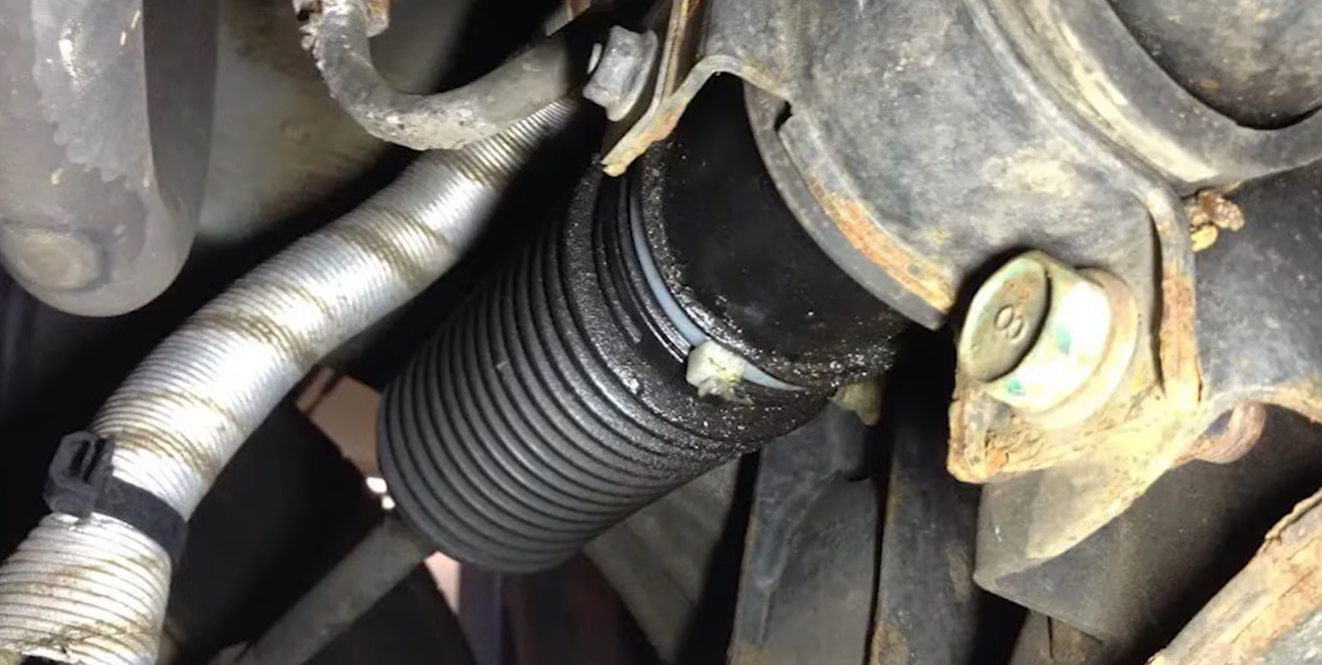
Fluid leaks are among the most common rack and pinion failures.
Near the rubber bellows boots on either side of the rack assembly, leaking fluid frequently shows up. The leak frequently begins gently and gets worse over time.
Before learning how to cure power steering leaks or what causes a rack and pinion leak, drivers often find puddles beneath the car.
4. Grinding or Clunking Noises While Steering
Worn internal gears or bushings can create noticeable steering noises.
Internal mechanical wear may be indicated by clunking during turns, grinding while steering, or metallic knocking sounds. Proper diagnosis is crucial because in certain cars, these sounds can mirror the clicking sound coming from the front wheel when driving symptoms produced by wheel-end components.
There have been instances where noise from excessive internal rack play was so loud that it was mistaken for a suspension breakdown. High-mileage cars with worn-out suspension parts are particularly prone to this.
5. Steering Wheel Vibration
Rack and pinion problems can sometimes create vibration felt through the steering wheel.
Turning or even traveling straight at faster speeds can cause this vibration. Internal wear can cause uneven feedback through the steering column and decrease steering stability.
6. Uneven Tire Wear
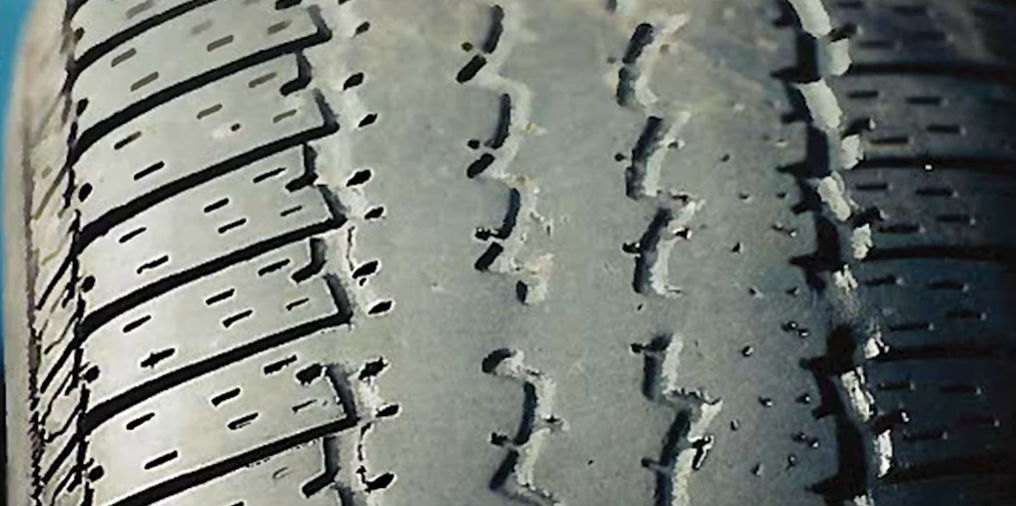
A failing rack can affect alignment angles and steering consistency.
Tires may wear unevenly across the tread when internal rack looseness alters the steering geometry. If the problem is not addressed, excessive inner or outer tire wear might appear fairly soon.
Sometimes the excessive internal movement of the underlying steering assembly prevents repeated alignments from resolving the issue.
7. Steering Wheel Does Not Return to Center
The steering wheel should naturally return toward center after completing a turn.
Internal rack binding may be present if the wheel sticks, hesitates, or doesn’t recenter correctly. This may occur when hydraulic valves, seals, or internal gears start to wear unevenly.
When driving in cities and making frequent turns, this sensation frequently becomes more apparent.
8. Burning Smell from Overheating Power Steering Fluid
A failing rack can overload the power steering system and overheat the fluid.
Fluid temperature rises and may smell burnt when hydraulic pressure is unable to circulate properly. Both the rack assembly and the power steering pump may sustain damage from prolonged driving in these circumstances.
For this reason, routine maintenance, such as understanding how to correctly flush the power steering system, can help prolong the life of the system.
What Causes Rack and Pinion Failure?
Rack and pinion failure is usually caused by wear, fluid contamination, or prolonged driving with unresolved steering issues.
Common causes include:
- Low or contaminated power steering fluid
- Torn rack boots allowing debris inside
- Internal seal deterioration
- Corrosion and moisture intrusion
- Impact damage from potholes or accidents
- Excessive suspension wear
Fluid contamination brought on by skipped maintenance intervals is one problem we’ve frequently seen. Internal seals and valves can be gradually harmed by dirty fluid long before symptoms become apparent. A thorough system diagnosis is crucial since failing pumps and racks in cars with higher mileage frequently start to harm one another at the same time.
The reasons why some designs are more susceptible to wear and contamination than others can also be explained by knowing the distinctions between rack and pinion, ball screw, and the other four types of steering systems.
Is It Safe to Drive With a Bad Rack and Pinion?
Driving with a bad rack and pinion is not considered safe once steering performance becomes inconsistent or difficult to control.
Steering systems rarely get better on their own, even if little leaks can appear acceptable at first. Steering response might become erratic as internal wear increases, particularly while driving on a highway or performing emergency maneuvers.
The answer to the question “how long can I ride on a bad rack and pinion?” varies greatly depending on how serious the failure is. A minor leak could occasionally last for weeks. Others may experience an unanticipated reduction of hydraulic pressure.
The car should be evaluated right away if steering difficulty increases abruptly, fluid leaks get worse, or noises get really bad.
Rack and Pinion Repair vs Replacement
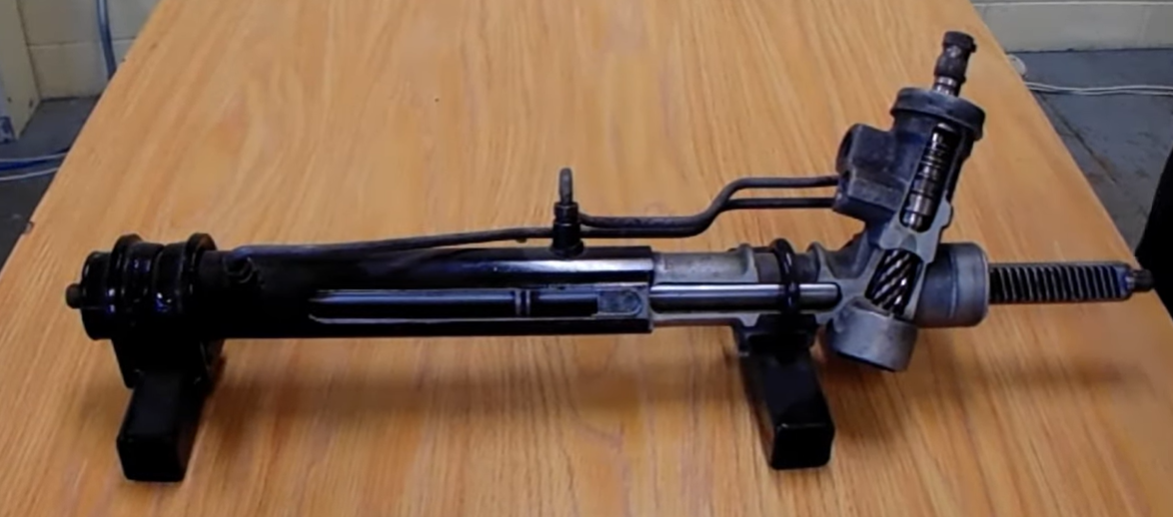
Rack and pinion replacement is often more practical than rebuilding due to labor complexity and internal wear.
Instead of internal repairs, the majority of current assemblies are replaced as whole pieces. The vehicle’s design, labor availability, and whether or not related parts also need to be replaced all affect the overall repair cost.
When looking at the cost of replacing rack and pinion, many owners are shocked to discover that labor might cost more than the component itself. Knowing how long it takes to replace a rack and pinion can help set reasonable expectations because certain vehicles require the removal of suspension components or subframes.
Other parts, including hoses or pumps, can also need maintenance if the system has been heavily contaminated.
On some vehicles, skilled do-it-yourself mechanics might be able to replace the rack and pinion, but alignment and bleeding techniques are crucial afterward.
How to Prevent Rack and Pinion Problems
Preventing rack and pinion problems mainly comes down to maintaining the steering system and addressing symptoms early.
Helpful maintenance practices include:
- Checking power steering fluid regularly
- Fixing leaks immediately
- Avoiding prolonged driving with whining pumps
- Inspecting rack boots for tears
- Keeping suspension and alignment components in good condition
- Flushing old steering fluid periodically
Steering assemblies are frequently under extra strain in cars with neglected suspension systems. Long-term steering system strain may be caused by issues with wheel hub vs wheel bearing deterioration, loose steering elements, or broken suspension components.
Regular inspections are particularly crucial for trucks or high-mileage cars that are frequently subjected to hazardous roads and towing situations.
FAQs
Can you drive with a bad rack and pinion?
You can drive with a bad rack and pinion temporarily in some cases, but it is not recommended because steering control can become unpredictable. Even though little leaks or slight looseness can seem insignificant at first, increasing internal damage can eventually result in serious steering issues or total power assist failure. Driving further could also harm connected steering parts.
Is it worth replacing rack and pinion?
It is worth replacing rack and pinion when steering performance, safety, or tire wear are being affected. Vehicle control is directly impacted by a malfunctioning rack, and if more steering or suspension components sustain damage, postponing repairs may result in higher labor expenses. Replacement is frequently less expensive than recurring band-aid solutions.
How much does it cost to replace a rack and pinion?
The cost to replace a rack and pinion typically ranges from several hundred to over a thousand dollars depending on the vehicle and labor complexity. Repairs for luxury cars, trucks, and cars that need to have their subframes removed are typically more expensive. Alignments, fluid service, and the replacement of related steering components are examples of additional costs.
What causes a rack and pinion leak?
A rack and pinion leak is usually caused by worn internal seals, contaminated fluid, or damaged rack boots that allow debris and moisture inside the assembly. Power steering fluid eventually escapes due to the slow breakdown of sealing materials caused by heat and pressure over time. Ignoring minor leaks frequently hastens hydraulic failure and internal wear.