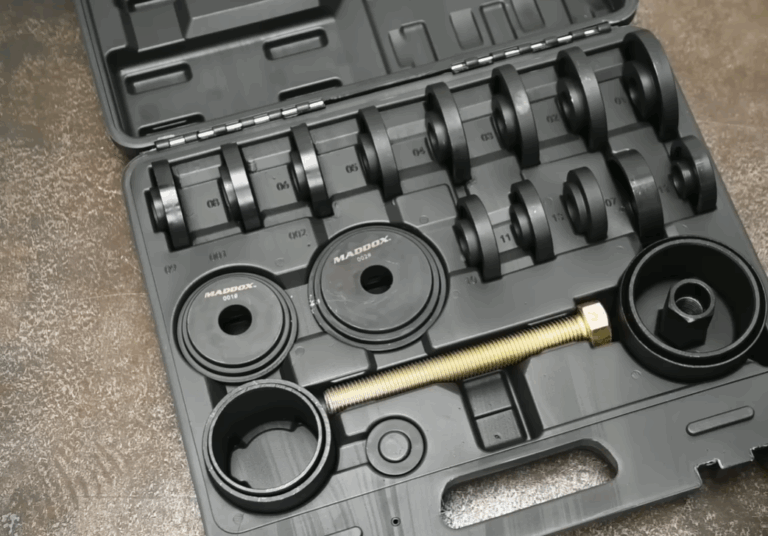
Wheel bearing removal tools make it possible to service worn bearings safely without damaging the hub, knuckle, or surrounding suspension components. Selecting the appropriate equipment can save hours of aggravation and lower the chance of expensive errors, whether you’re repairing a loud bearing, installing a new hub assembly, or learning how to remove wheel bearings without press sets.
We have worked on everything from contemporary press-fit hub assemblies found on SUVs, trucks, and everyday commuters to older usable bearings over the years. Using the incorrect removal technique is one issue that DIY mechanics frequently encounter. During installation, improvised methods frequently cause damage to the replacement bearing, ABS sensor location, or steering knuckle. One of the main distinctions between a repair that goes well and one that takes a whole day to complete is having the right removal equipment.
Key Points to Review
This guide covers:
- Common wheel bearing removal tool options
- Press vs non-press bearing removal methods
- Which tools work best for DIY mechanics
- Slide hammers, pullers, and press kits explained
- Common mistakes during wheel bearing removal
- When a full hub assembly replacement makes more sense
Why Wheel Bearing Removal Tools Matter
Wheel bearing removal tools are designed to remove stubborn bearings without damaging surrounding components. Without the right tools, removing modern wheel bearings can be very challenging because they are frequently firmly pressed into the steering knuckle.
While some vehicles still utilize separate press-fit bearings, many more recent models employ integrated hub assemblies. Before beginning the repair, it’s critical to understand the differences between a wheel hub and wheel bearing arrangement because the necessary tools can differ greatly.
Improper removal methods can create several issues:
- Damaged steering knuckles
- Bent hubs
- ABS sensor damage
- Premature bearing failure
- Alignment problems
We’ve seen do-it-yourself fixes that ended up costing more than the initial repair because of aggressive hammering that damaged mounting surfaces or fractured aluminum knuckles. That risk is significantly decreased with the right tools.
Common Types of Wheel Bearing Removal Tools
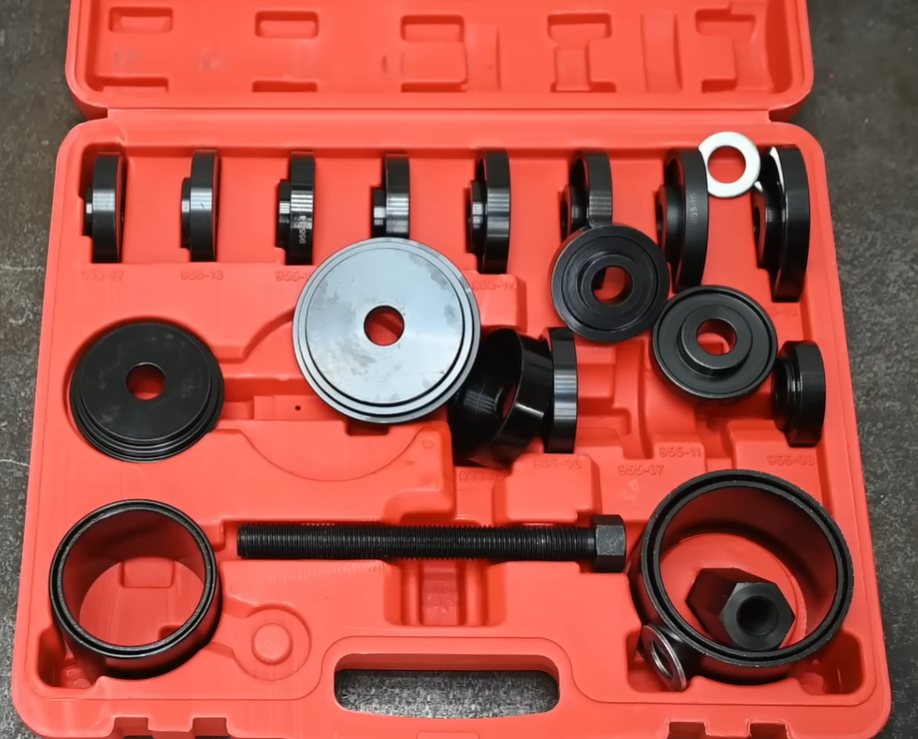
Different wheel bearing designs require different removal tools. Some vehicles allow relatively simple hub removal, while others require heavy-duty press systems.
Slide Hammer Pullers
Slide hammer pullers are commonly used for removing wheel hubs and stubborn bearings.
They work by attaching to the hub and using repeated impact force to pull the assembly outward.
Best used for:
- Stuck wheel hubs
- Rusted hub assemblies
- Front-wheel-drive vehicles
- Older press-fit systems
Because corrosion essentially welds the hub to the knuckle, slide hammers are particularly helpful in areas that are prone to rust. In extreme circumstances, the hub removal process may take longer than the rest of the repair.
Wheel Bearing Press Kits
Wheel bearing press kits allow bearings to be removed and installed without removing the steering knuckle from the vehicle.
These kits typically include:
- Cups and sleeves
- Threaded forcing rods
- Bearing adapters
- Installer plates
These kits are frequently the ideal compromise between cost and functionality for do-it-yourself technicians.
Hydraulic Shop Presses
Hydraulic presses are commonly used in professional shops for heavy-duty bearing removal.
Advantages include:
- High pressing force
- Better control
- Reduced installation damage
- Faster workflow
The drawback is that the steering knuckle typically needs to be taken out of the car first, which requires more work and suspension disassembly.
Hub Grapplers and Specialty Pullers
Specialty pullers are designed for difficult or vehicle-specific applications.
These are often used when:
- Bearings seize inside aluminum knuckles
- Large trucks require additional force
- Corrosion is severe
- Standard pullers fail
Some specialty pullers can save hours of labor on heavily rusted vehicles.
Choosing the Right Tool for Your Vehicle
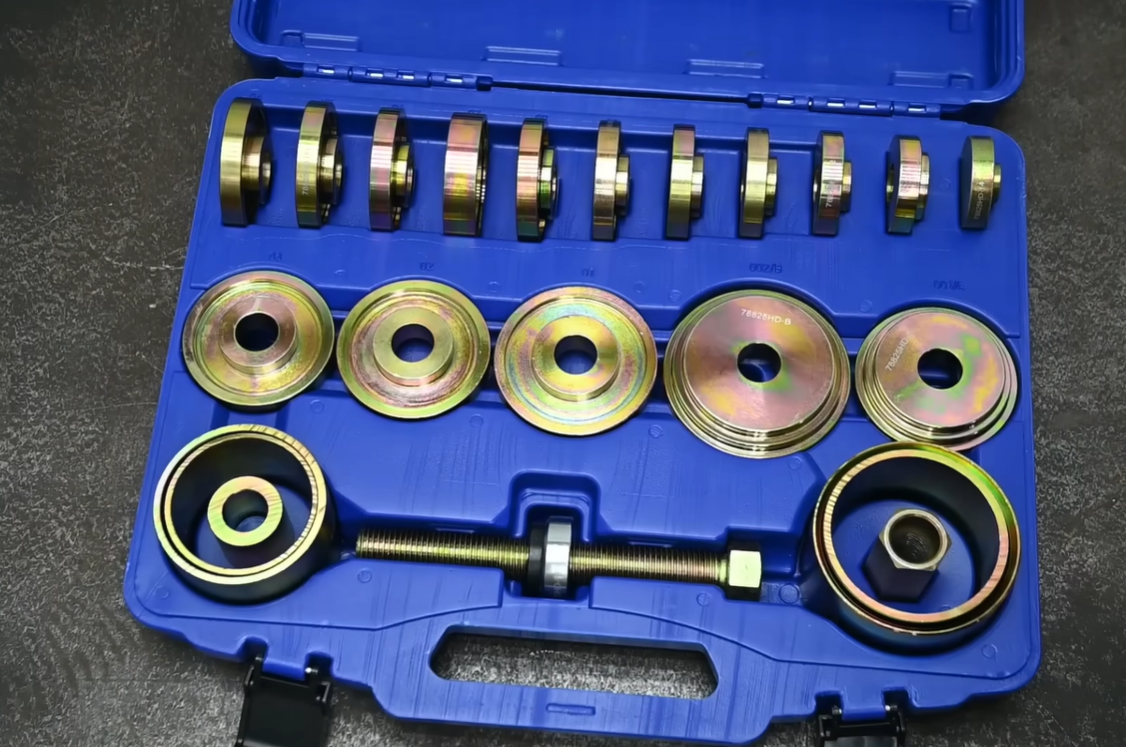
Choosing the right wheel bearing removal tool depends heavily on vehicle design, bearing style, and how often you plan to perform repairs.
The differences in bearing systems across manufacturers are often underestimated by do-it-yourself mechanics. For instance, compact sedans, pickups, and performance cars have quite different hub assembly vs. wheel bearing configurations.
For Occasional DIY Repairs
For most home mechanics, a portable wheel bearing press kit is usually the most practical option.
Benefits include:
- Lower cost than shop equipment
- Works on many vehicles
- No hydraulic press required
- Good for occasional repairs
These kits are often enough for drivers learning how to replace wheel bearing assemblies themselves.
For Rust-Prone Vehicles
Rust dramatically increases removal difficulty.
In corrosion-heavy regions, you may also need:
- Penetrating oil
- Heat tools
- Slide hammer attachments
- Heavy-duty pullers
In many instances, rust accumulation made it nearly difficult to separate the hub from the knuckle without specialized tools.
For Trucks and SUVs
Larger vehicles put more strain on hubs and bearings, which frequently results in tighter press fits and more challenging removal.
This becomes particularly important when detecting problems like a clicking sound coming from the front wheel while driving or while working on larger front suspension systems.
Common Mistakes During Wheel Bearing Removal
Wheel bearing removal mistakes can easily damage expensive components if proper procedures are ignored.
One of the biggest errors is applying force to the wrong portion of the bearing during removal or installation.
Common mistakes include:
- Hammering directly on the bearing
- Reusing damaged snap rings
- Pressing through the wrong race
- Damaging ABS tone rings
- Forgetting torque specifications
Additionally, we have seen that when bearings are put incorrectly, the sensor ring becomes broken or misaligned, causing ABS lights to turn on right away. This is one of the reasons why a lot of people look for how to reset the ABS light after fixing a wheel bearing.
Contamination is another significant problem. Even if the repair seems good at first, dirt getting into the bearing during installation might significantly reduce its lifespan.
When to Replace the Entire Hub Assembly Instead
Sometimes replacing the full hub assembly is easier and more cost-effective than replacing only the bearing.
Modern vehicles increasingly use sealed hub assemblies that combine:
- Bearing
- Wheel hub
- ABS sensor
- Mounting flange
Replacing the complete assembly often reduces labor and installation complexity.
Advantages of full hub assemblies include:
- Faster installation
- Reduced risk of installation damage
- Integrated ABS compatibility
- Less specialized equipment required
This is especially useful for cars where removing the bearings would need disassembling the suspension entirely. Determining if your car employs entire hub assemblies or replaceable bearings can also be accomplished by comparing front wheel bearing and rear installations.
Signs Your Wheel Bearing Needs Replacement
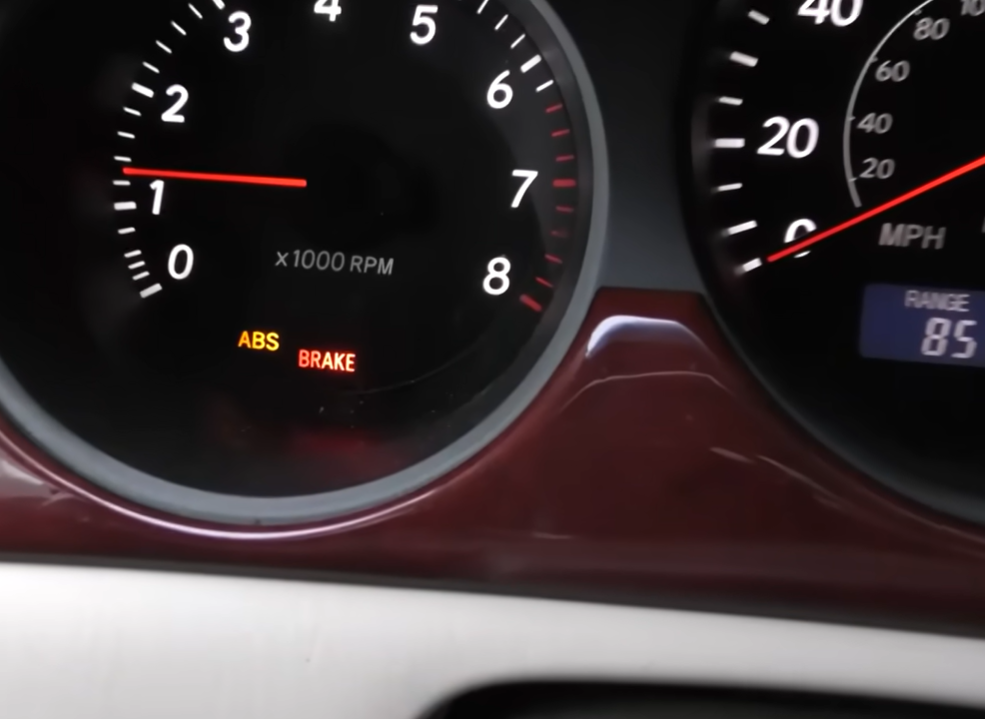
Wheel bearing failure usually becomes noticeable through noise, looseness, or steering changes.
Common symptoms include:
- Humming or growling noise
- Vibration while driving
- Uneven tire wear
- Steering instability
- ABS warning lights
Because the vehicle’s weight shifts onto the failing bearing during turns, the symptoms frequently get worse. These sounds are often mistaken by drivers for suspension issues or tire noise.
Before starting repairs, it can be helpful to confirm the diagnosis by being aware of the symptoms and what a bad wheel bearing sounds like.
If a failed bearing is ignored for an extended period of time, the hub, axle, or steering components may eventually sustain damage. In extreme situations, excessive bearing play may even impair handling and cause the automobile to pull to the left or right.
DIY vs Professional Wheel Bearing Removal
DIY wheel bearing removal is possible for many vehicles, but some repairs are significantly more difficult than others.
Factors that increase difficulty include:
- Heavy corrosion
- Press-fit bearings
- Aluminum knuckles
- Integrated ABS systems
- Large truck hubs
Many wheel bearing tasks can be completed at home by skilled do-it-yourself mechanics with the right equipment. Nonetheless, automobiles that need major suspension disassembly or high-force pressing might still be better suited for expert repair shops.
We’ve dealt with numerous instances where do-it-yourself repairs, particularly on typical commuter cars, went well with the right press kits and torque techniques. Before disassembly begins, preparation, appropriate tooling, and knowledge of the particular hub system’s design are typically the main differences.
FAQs
What tool is used to remove wheel bearings?
The tool used to remove wheel bearings depends on the bearing design, but common options include slide hammer pullers, wheel bearing press kits, and hydraulic presses. Pullers and impact tools can be used to remove some hub assemblies, but press-fit bearings typically require specialist press adapters. The optimal setup is mostly determined by the suspension and hub design of the vehicle.
Can I remove a wheel bearing without a press?
You can remove a wheel bearing without a press in some cases by using a slide hammer, bearing puller, or hub removal kit. Because the bearing is built into the hub unit itself, certain bolt-in hub assemblies are considerably simpler to remove. Tightly pressed bearings, however, might still need a lot of force or specialized equipment to prevent knuckle damage.
Are wheel bearing press kits worth it for DIY mechanics?
Wheel bearing press kits are worth it for DIY mechanics because they allow bearing removal and installation without needing a full hydraulic shop press. They are especially handy for front-wheel-drive automobiles with press-fit bearings. The kit might quickly become more affordable than recurring shop labor costs for those who intend to do several repairs.
Can a bad wheel bearing damage other parts?
A bad wheel bearing can damage other parts by creating excessive vibration, heat, and wheel movement. The hub, axle, suspension parts, or ABS system may eventually be impacted by continued driving. In more extreme situations, uneven tire wear and steering instability may even result from loose wheel movement.