
What Does a Bad Wheel Bearing Sound Like?
·By Lawrence Ma

A low humming, growling, or grinding sound that gets louder as the vehicle speed increases is usually the result of a damaged wheel bearing, or more precisely the wheel hub assembly that houses it. Bearing failures have triggered manufacturer recalls catalogued by NHTSA’s recalls database, which is why the humming stage is the right time to get it checked rather than to wait for grinding. As you accelerate, the sound usually gets louder and can change when you turn and is one of the signs of a bad wheel bearing.
Wheel bearing noise is directly related to wheel rotation rather than throttle input, like brakes or engine noise.
The Most Common Wheel Bearing Noise
Most drivers describe it as:
- A low humming sound
- A growling or rumbling noise
- A grinding sound in later stages
- A “helicopter” or droning noise at highway speeds
The key characteristic:
As speed increases, so does the noise level. The wheel bearing is probably the culprit if the sound doubles as your speed doubles.
What Kind of Noise Does a Bad Wheel Bearing Make at Different Stages?
Wheel bearing noise gets worse in stages. Each stage sounds different and tells you how far the bearing has worn.
Early Stage: Light Humming
At the early stage, you'll hear a faint hum at highway speeds (40–60 mph) that sounds a lot like aggressive tire noise and disappears when you slow down.
- Noticeable at 40–60 mph
- It sounds like aggressive tire tread.
- May vanish at slow speeds.
This stage is often confused with tire noise by drivers.
Mid Stage: Growling or Rumbling
At the mid stage, the hum turns into a clear growl or rumble you can hear inside the cabin, and it shifts louder when you turn left or right.
- Clearly audible inside cabin
- Steering wheel may vibrate
- Noise changes when turning
Late Stage: Grinding
At the late stage, you'll hear metallic scraping or grinding that shows up even at low speeds. This is metal-on-metal contact. The bearing is done.
- Metallic scraping sound at low speeds
- Noticeable even in parking lots
- May trigger ABS warning light
Grinding is a sign of internal bearing wear and should not be disregarded.
The ABS connection matters here: most modern hub assemblies have the wheel speed sensor built directly into the bearing unit. When the bearing wears badly enough, the sensor ring wobbles or loses signal, which triggers the ABS light, the traction control light, or both. If your ABS light came on around the same time the noise started, that's not a coincidence.
Does Wheel Bearing Noise Change When Turning?
Wheel bearing noise can change when turning as the balance of the automobile shifts and changes the amount of weight on the bad wheel bearing. AAA’s tire safety and maintenance guide points to tire and wheel component wear as a leading cause of the road noise drivers often misread, which is why a proper inspection matters before assuming the worst.
When turning:
- The vehicle’s weight shifts
- One side’s load increases
- Under load, the failing bearing gets louder.
Example:
A stronger noise when turning left indicates a likely right-side bearing.
Turning right makes the noise louder, which suggests a left-side bearing.
That load-sensitive shift is what separates wheel bearing noise from engine or transmission noise.
Front vs. Rear Wheel Bearing Noise
Where the failing bearing sits changes how the noise behaves, and how easy it is to diagnose.
Front wheel bearings handle steering forces in addition to vehicle weight. A failing front bearing responds sharply to turns. The noise intensifies when load shifts onto the bad side. Steering wheel vibration and pull are common with front bearing failure.
Rear wheel bearings don't steer, so the noise tends to be a steadier drone. It won't shift as dramatically with turns, which makes it easier to confuse with exhaust drone or tire noise. The rear-side turning test still applies, but the shift is more subtle.
- Front bearing: turn-sensitive, steering wheel feedback, more dramatic load shift
- Rear bearing: steadier drone, less turn-sensitive, easier to confuse with road noise
Front bearings fail more often because they absorb steering forces that rear bearings don't.
What Are the First Signs of Bearing Failure?
These are the early signs before a loud noise develops:
- At highway speeds, a faint buzzing sound
- Slight steering vibration
- Uneven wear on the tires
- ABS light (if there is an integrated sensor)
On rough roads, the first indicator is easy to confuse with road noise. It can be subtle.
However, suspect the bearing if the sound continues on even road surfaces and persists throughout a drive.
How Long Do Wheel Bearings Last?
Most wheel bearings last between 80,000 and 150,000 miles under normal driving conditions. Heavy loads, frequent pothole impacts, off-road use, or exposure to road salt and moisture all push that number lower.
If you're hearing noise anywhere in the 75k–100k mile range and haven't had your bearings inspected, mileage alone puts them on the suspect list, especially on a vehicle that's seen rough roads or wet climates.
Can You Still Drive With a Wheel Bearing Noise?
If you’re just starting to hear the noise and it’s mild then yes you can as it can still do its job, but you’ll definitely want it inspected soon. However, if the noise sounds like grinding or vibration, which indicates more severity, then you’ll want to stop. At this point driving is not safe and you’ll risk hub or knuckle damage if you continue.
Wheel bearing replacement cost can range from $300 to $800 or more, but if you wait to fix it then you may end up paying a lot more money in the long run as other automobile parts may be affected. In some cases it’s possible to even lose a wheel due to bad wheel bearings.
When It Sounds Like a Bad Wheel Bearing. But Isn’t
Not every humming sound or “wub wub wub” indicates a wheel bearing failure. Sometimes drivers swap out one or even both sides, but the noise remains unchanged.
These are the four most common things that produce a sound identical to a bad wheel bearing:
Cupped or uneven tire wear
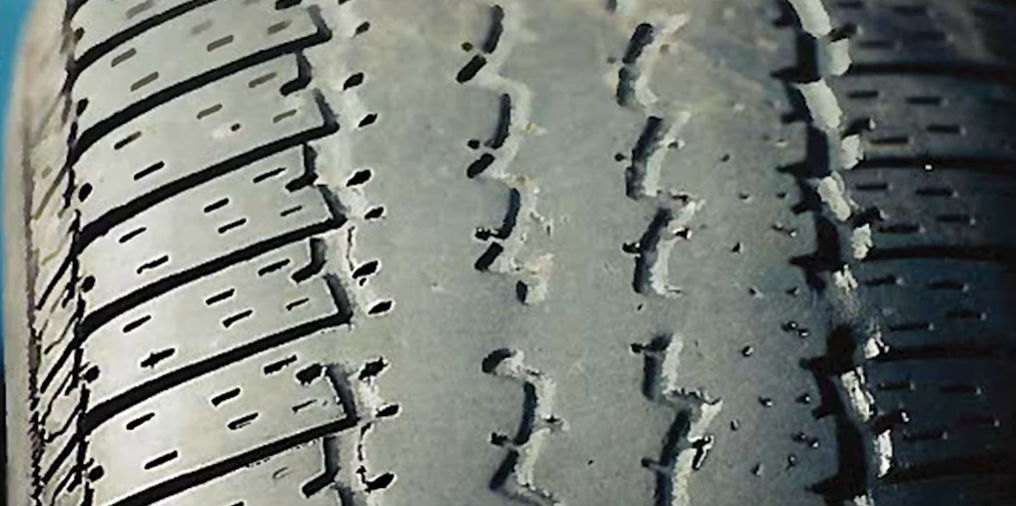
A repetitive buzzing that intensifies with speed can be produced by choppy tread. To make sure, quickly rotate the tires from front to back. If the noise changes, it’s probably a tire issue.
Improper axle nut torque
Even if a wheel bearing isn’t broken, improper torque can still produce noise if it was just replaced. Both too tight and too loose might cause vibration and buzzing.
CV axle or intermediate shaft
While some axle shaft bearings can emit a speed-related hum akin to a wheel bearing, a worn CV joint frequently clicks when turning.
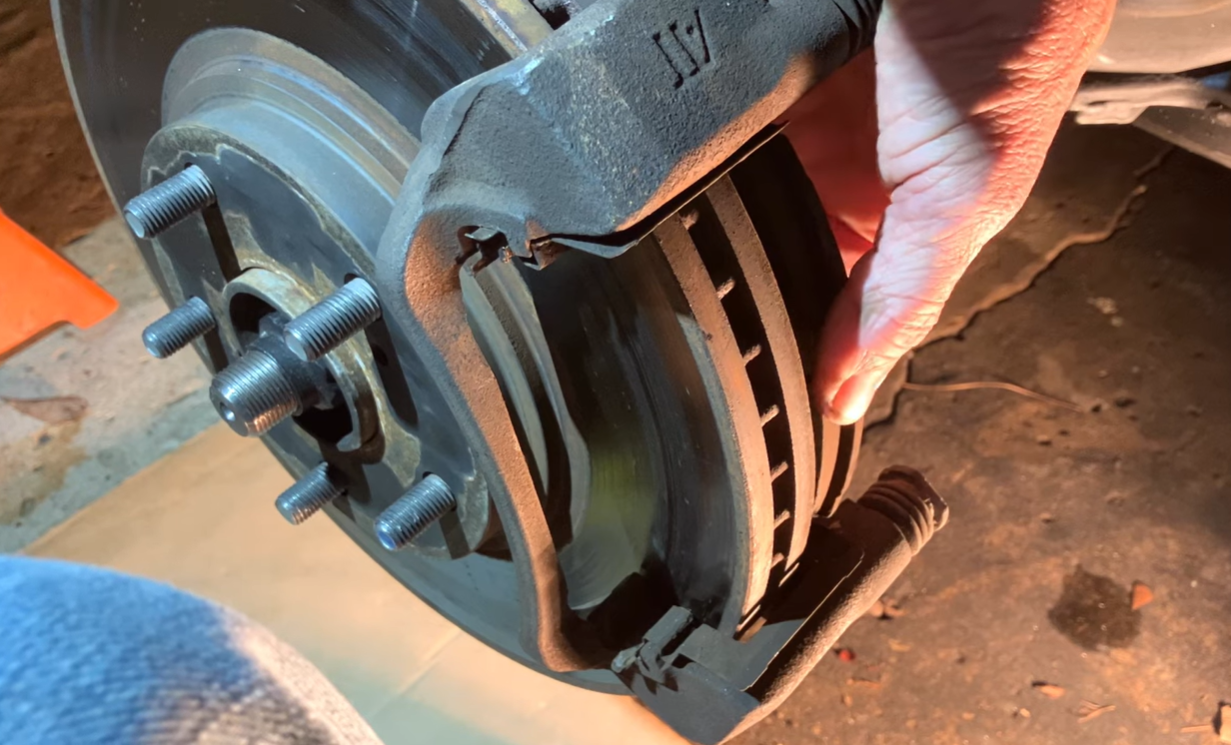
Brake dust shield contact
A recurring sound that follows wheel speed may be caused by a dust shield that is slightly deformed and rubbing against the rotor.
A true wheel bearing noise will:
- Increase steadily with vehicle speed
- Turning frequently causes noise to increase (due to load transfer)
- Throttle input does not alter
The wheel bearing could not be the real problem if those conditions aren’t met.
How to Confirm It's the Wheel Bearing (DIY Test)
Before ordering parts, two quick tests can confirm the bearing (not tires or a CV joint) is the problem.
The Rock Test (Jack Stand Test)
Jack the vehicle safely and support it on a jack stand. Grip the tire at 12 o'clock and 6 o'clock and rock it toward and away from you. Then shift your grip to 9 o'clock and 3 o'clock and rock it side to side.
- Play at 12/6 (in and out): worn wheel bearing or ball joint
- Play at 9/3 (side to side): typically tie rod or steering component
A healthy wheel bearing has zero play. Any movement in the 12/6 direction is a red flag for the bearing or ball joint.
The Spin Test
With the wheel still lifted, spin it by hand. A good bearing spins smoothly and quietly. A worn bearing will feel rough, catch, or produce a grinding sensation you can feel through your palm. Sometimes you can hear it even at slow spin speed.
If both tests come back clean but the noise persists at speed, return to the tire rotation and turning diagnosis before replacing parts.
FAQs
What does a bad wheel bearing sound like?
A bad wheel bearing sounds like a humming, growling, grinding, or rumbling noise that gets louder as your vehicle’s speed increases. The sound is often compared to road noise from aggressive tires, but it typically becomes more noticeable the faster you drive.
The noise may grow more frequent and harsher as the wheel bearing deteriorates, occasionally even creating a vibration that may be felt through the floorboard or steering wheel. Ignoring a faulty wheel bearing can result in uneven tire wear, poor handling performance, and, in extreme situations, wheel instability.
Can I still drive with wheel bearing noise?
You can still drive with a wheel bearing noise in some cases, but it is not recommended, especially if the noise has progressed beyond a mild hum. A faint humming sound may allow for very short-term driving, but it should be inspected as soon as possible to prevent further damage.
Uneven tire wear and stress on suspension parts can also result from long-distance driving with a damaged wheel bearing. It’s advised to avoid driving and have the car inspected right away if you hear grinding or feel vibration coming from the floorboard or steering wheel.
Does wheel bearing noise get louder over time?
Wheel bearing noise usually gets louder over time as the internal components continue to wear down. As the bearing loses lubrication and the metal surfaces begin to deteriorate, friction increases, which causes the humming or rumbling sound to become more noticeable.
Vibration, uneven tire wear, and decreased steering stability might result from a deteriorating wheel bearing noise if it is not corrected. It’s crucial to get a wheel bearing inspected and replaced before it deteriorates to a more critical and potentially dangerous state because the noise almost always gets louder as the damage spreads.
What is a wheel hub assembly, and is it the same as a wheel bearing?
A wheel hub assembly is a complete bolt-on unit with the wheel bearing pre-installed inside the hub, plus the ABS sensor ring on most vehicles made after 2000. When a mechanic says "replace the wheel bearing," they almost always mean replacing the entire hub assembly. The bearing is pressed into the hub and not serviceable separately on most modern vehicles.
Detroit Axle's wheel hub assemblies come pre-greased with the bearing already installed. Hub assembly and wheel bearing are the same repair, just two names for the same part.