
Why Is My Car Pulling to the Left or Right? (Causes and Fixes)
·By Lawrence Ma

When a car pulls to the left or right, it usually indicates an issue with alignment, tires, braking components, or steering system parts. To keep the car in a straight line, the steering may need to be adjusted frequently or the vehicle may drift a little. Handling, tire wear, and general driving safety may all be impacted by this issue.
While some cases of pulling develop gradually, others may manifest abruptly. Determining if the pulling occurs during braking, acceleration, or continuous driving aids in identifying the root problem.
Key Points to Review
This guide explains:
- Why a car pulls to one side
- Common steering and suspension causes
- Tire-related issues that cause pulling
- Brake-related causes
- When pulling becomes dangerous
- How steering system problems contribute
Most Common Reasons a Car Pulls to One Side
A car pulling to one side while driving usually points to an imbalance or fault somewhere in the steering, suspension, or tire system. At first, it may seem insignificant, similar to the steering wheel requiring a small adjustment on a straight road, but it frequently becomes more apparent over time. Sometimes it's as easy as unequal tire pressure, but other times it can be related to alignment problems, worn suspension components, or brake drag. Since numerous systems cooperate to maintain the vehicle's straight tracking, determining the precise cause frequently necessitates examining various parts rather than concentrating on just one.
Wheel Alignment Issues
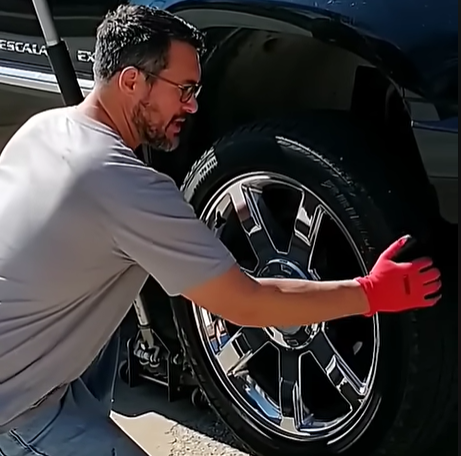
Improper wheel alignment is the most common reason a car pulls. The car will inevitably veer to one side when the wheels are not properly aligned.
Signs include:
- Steering wheel not centered
- Uneven tire wear
- Constant correction needed
After striking curbs, potholes, or general suspension component wear, alignment may change.
Uneven Tire Pressure
Different tire pressures side-to-side can cause pulling. The car drifts because a tire with less pressure produces increased rolling resistance.
Check for:
- One tire visibly lower
- Pressure differences
- Slow leaks
Despite being one of the easiest problems to resolve, it is frequently disregarded.
Worn Suspension Components
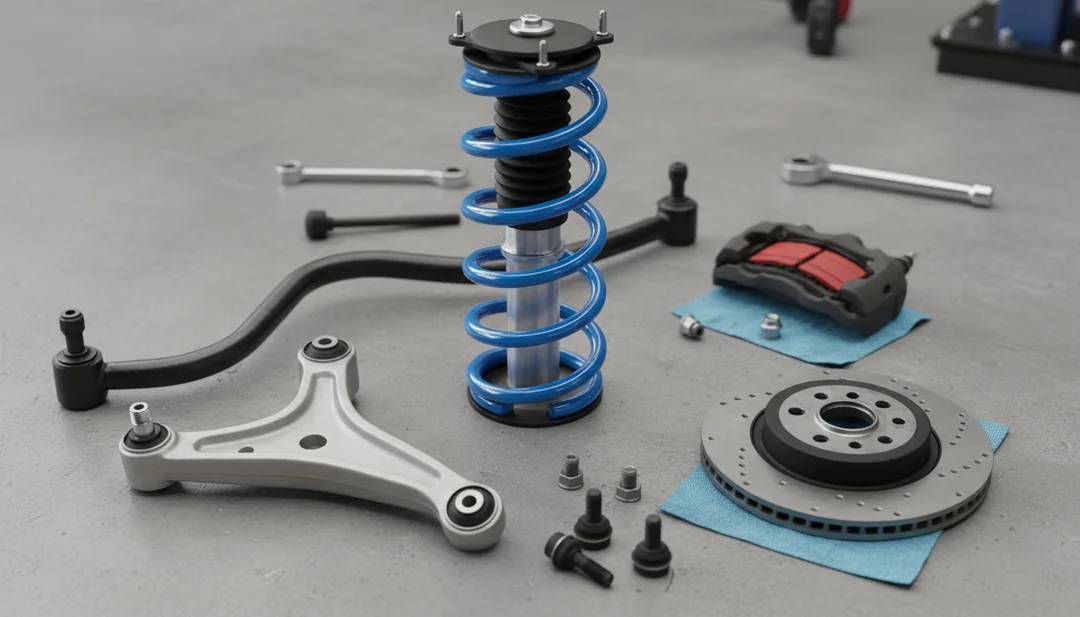
Suspension parts help keep the vehicle stable. Alignment is impacted by movement caused by worn components.
Common worn parts:
- Control arm bushings
- Ball joints
- Tie rods
These components are a part of the larger system that is frequently mentioned when examining the suspension sections of cars and how they impact steering stability.
Brake Caliper Drag
A sticking brake caliper can cause the car to pull, especially while driving or braking.
Symptoms:
- Pulling when braking
- Burning smell
- One wheel hotter than others
The car is drawn to that side by resistance created when one brake is only partially engaged.
I remember one inspection, particularly on level highways, a vehicle approached with a discernible pull to the right. At first, tire pressure and alignment appeared to be satisfactory. After a few minutes of driving, we felt that the draw was getting stronger. The front right brake rotor was noticeably warmer than the others when the wheels were examined. There was constant drag because the caliper was slightly stuck. The pulling stopped entirely after the caliper was serviced. Because it doesn't always show up right away and might only manifest after components heat up, this kind of problem can be deceptive.
Tire Wear or Defective Tire
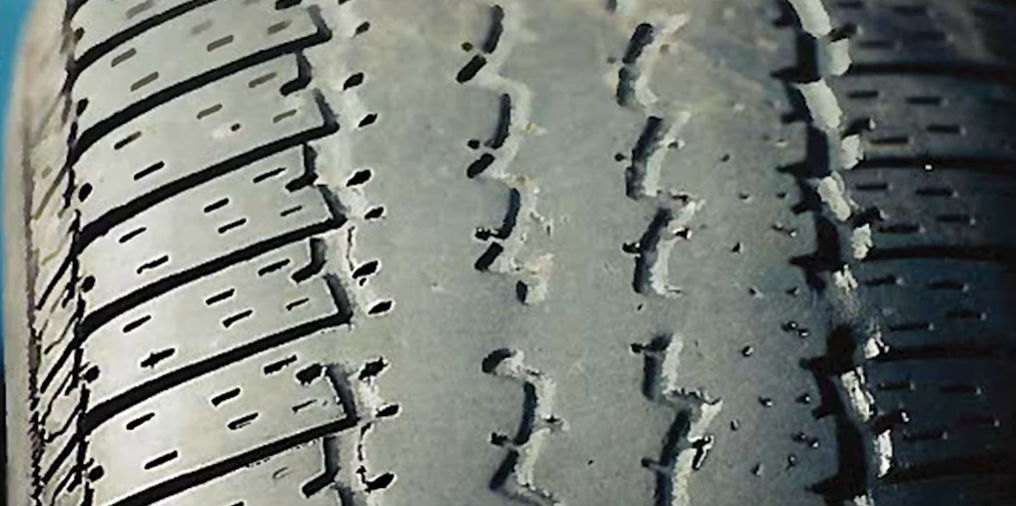
Uneven tread wear or internal tire damage can cause pulling.
Possible issues:
- Uneven tread depth
- Belt separation
- Mismatched tires
If the pull changes direction, switching tires from left to right will occasionally confirm this problem.
We once worked on a small crossover whose driver had complained about a tiny pull to the left when driving on the highway. Since alignment had just been completed, focus turned to the suspension and tires. There was some minor uneven wear on the front tires, but nothing serious. Tire-related causes were confirmed when the pull changed direction when the tires were rotated. Although the tread on one tire appeared okay, the internal belt structure had begun to twist. The problem was fixed by changing the tire. These kinds of situations show that tugging can happen even when tires seem aesthetically pleasing.
When the Car Pulls Matters
Pulls while driving straight
Often caused by alignment or tire pressure.
Pulls during braking
Usually indicates brake caliper issues.
Pulls during acceleration
May point to suspension or drivetrain issues.
Pulls intermittently
Could indicate steering assist inconsistencies or fluid-related issues.
Steering and Power Steering Influence
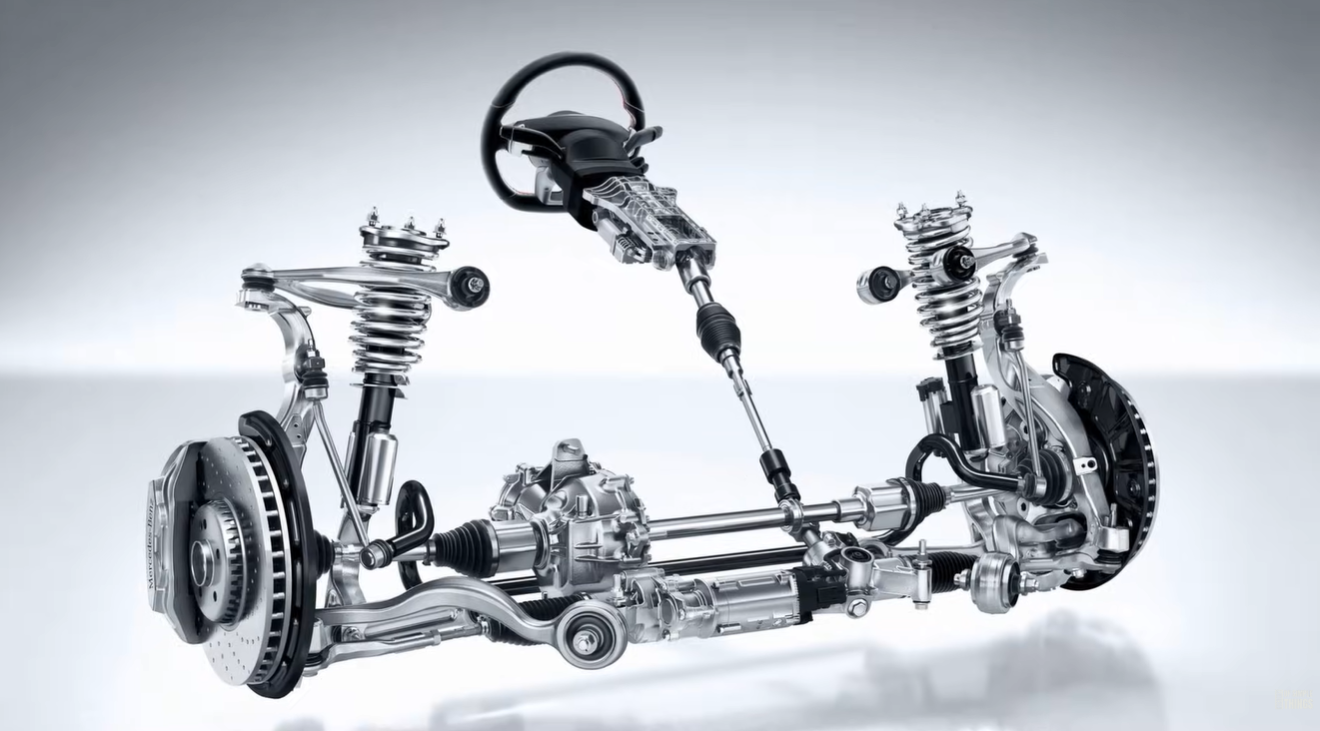
Consistent steering effort is maintained with the use of power steering. The steering may seem uneven if the pressure changes.
This may occur due to:
- Fluid leaks
- Pump wear
- Air in the system
Pressure balance-affecting leaks frequently call for methods akin to those used to repair power steering leaks.
Is It Dangerous If My Car Pulls?
A slight pull may not be immediately dangerous, but it can:
- Reduce control during emergency maneuvers
- Increase tire wear
- Affect braking performance
- Cause steering fatigue
Severe pulling should be addressed quickly.
Preventing Your Car From Pulling
Preventive steps include:
- Checking tire pressure regularly
- Rotating tires
- Inspecting suspension components
- Fixing steering leaks early
- Performing periodic alignment
Frequent inspection aids in identifying minor problems before they have an impact on handling.
FAQs
Why does my car pull to the left or right when driving?
A car may pull to the left or right while driving due to alignment issues, uneven tire pressure, worn suspension parts, or brake drag. The car drifts because one side is creating more resistance or producing slightly different force than the other. This can start as a small steering correction on straight roads and gradually become more noticeable over time. Identifying when the pull happens (acceleration, cruising, or braking) is key to narrowing down the cause.
Can low tire pressure cause a car to pull?
Yes, low tire pressure can cause a car to pull because the underinflated tire creates more rolling resistance compared to the others. Even small differences in pressure can affect how the vehicle tracks, especially at highway speeds where the imbalance becomes more noticeable. This type of pulling is often mild and can sometimes feel like the steering wheel is being gently dragged to one side. In many cases, correcting tire pressure restores normal driving immediately.
Why does my car pull only when braking?
A car that pulls only when braking usually indicates uneven braking force between the left and right wheels. This is commonly caused by a sticking brake caliper, uneven brake pad wear, or a brake hose that isn’t releasing pressure properly. The vehicle will naturally shift toward the side that is braking more strongly. This type of pulling is often more noticeable at lower speeds and may be accompanied by heat or a slight vibration after braking.
Is wheel alignment the most common cause of pulling?
Yes, incorrect wheel alignment is one of the most common causes of a car pulling to one side. When the wheels are not properly aligned, they create directional force that gradually pushes the vehicle left or right. This often feels like the car “fighting” the steering wheel on a straight road. However, tires and braking components should always be checked first, since alignment is sometimes blamed when the real issue is elsewhere.
Can power steering cause a car to pull?
Yes, power steering issues can contribute to a car pulling to one side, although it is less common than tire, brake, or alignment problems. If there is uneven steering assist due to internal pump wear, air in the system, or fluid issues, the steering response can feel inconsistent from one direction to the other. This may make the car feel like it is drifting or requiring constant correction. In many cases, this shows up alongside other symptoms like whining noises or stiff steering.