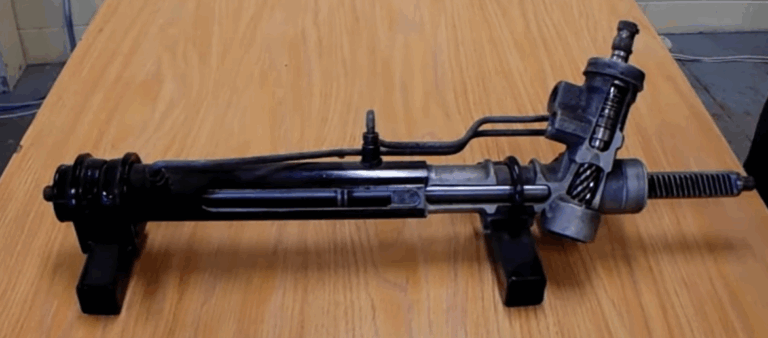
Rack and pinion steering systems play a major role in how your vehicle handles, responds to steering input, and stays controlled on the road. When problems develop, many drivers face the same question: should you repair the rack and pinion or replace it entirely?
The extent of the damage, the cost of repairs, the age of the automobile, and the length of time you want to keep it all influence the response. While some problems can be resolved with comparatively small fixes, others show internal wear, making replacement the more prudent long-term investment.
We have dealt with numerous steering and suspension parts over the years, witnessing both successful fixes and expensive recurring failures. You may avoid needless costs and recurrent steering issues by knowing when a repair makes sense and when a replacement is more cost-effective.
Key Points to Review
This guide covers:
- Rack and pinion repair vs replacement differences
- When a repair may be sufficient
- Signs replacement is the better option
- Typical repair and replacement costs
- Factors that affect long-term reliability
- How to decide which option offers the best value
Understanding How a Rack and Pinion System Works
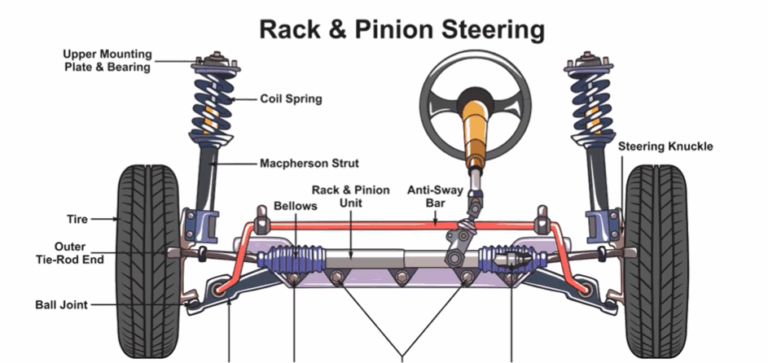
A rack and pinion system converts the rotational movement of the steering wheel into the side-to-side motion needed to turn the vehicle’s wheels.
Rack and pinion steering is used in modern cars because it offers better road feel, precise steering response, and a simpler construction than many previous steering systems. Knowing what a rack and pinion is and the many kinds of rack and pinion might help explain how these parts work if you’re not familiar with the system itself.
Most systems include:
- Steering rack
- Pinion gear
- Inner tie rods
- Protective boots
- Hydraulic or electric power assist components
Wear can have an impact on handling, tire wear, and general vehicle safety because the rack is directly related to the steering and suspension system.
When Rack and Pinion Repair Makes Sense
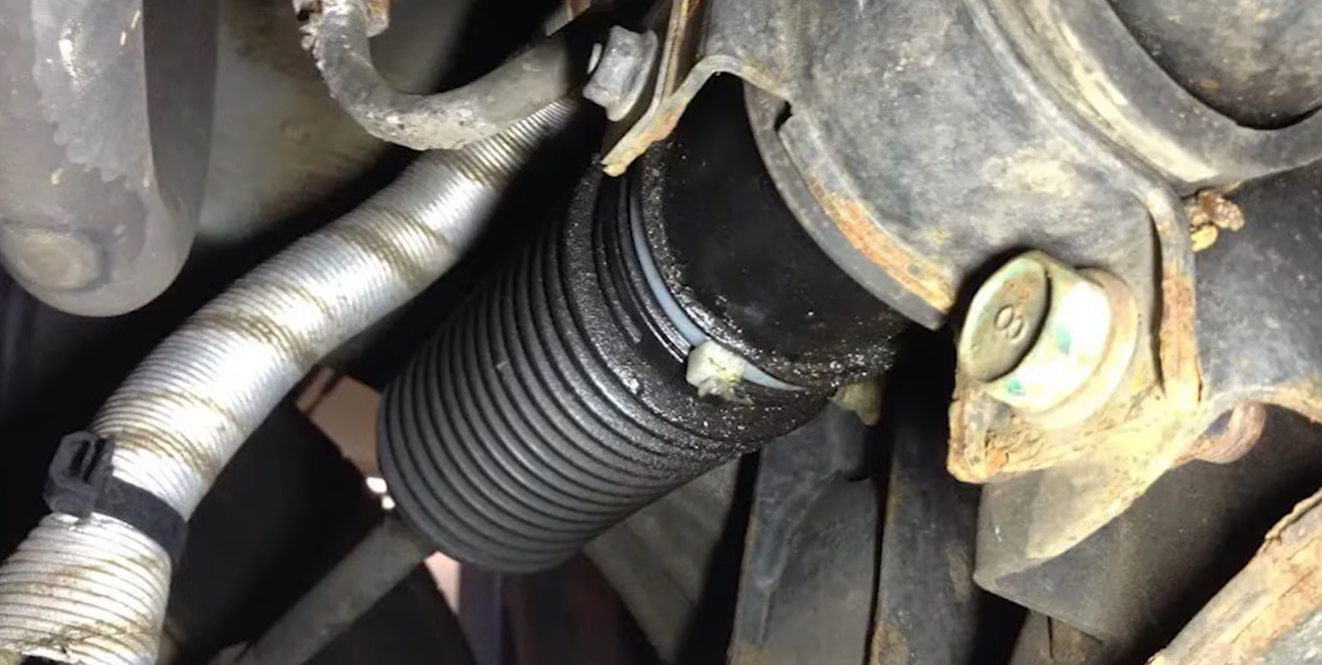
Rack and pinion repair can be worthwhile when the problem is isolated and the internal steering components remain in good condition.
Some problems don’t always need to be completely replaced. It is occasionally possible to successfully fix small leaks, broken boots, worn seals, or loose mounting gear.
Common repairable issues include:
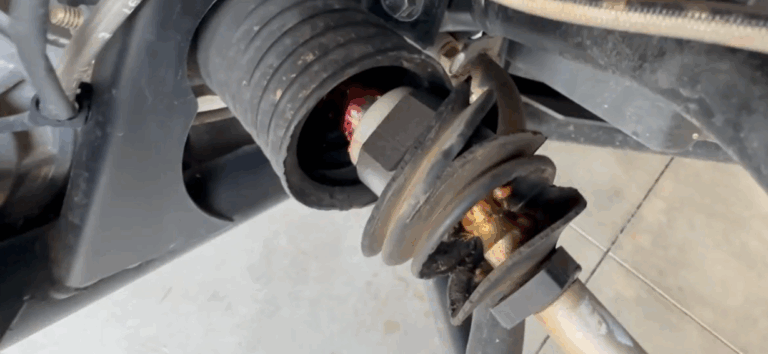
Damaged Steering Rack Boots
The protective boots help keep dirt, water, and debris away from internal steering components.
Early detection of a torn boot can help avoid contamination, which could otherwise harm the rack itself.
Minor Hydraulic Leaks
Some small leaks can be repaired by replacing seals or fittings.
Knowing what causes a rack and pinion leak and how to flush power steering system parts will assist determine whether fluid loss is limited or more serious.
Loose Steering Components
Sometimes worn tie rods, mounting bushings, or other automotive suspension parts are the cause of symptoms that seem to be rack failure.
A thorough inspection should always be completed before authorizing a full rack replacement.
When Rack and Pinion Replacement Is the Better Choice
Rack and pinion replacement is usually the better choice when internal wear or structural damage affects steering performance.
Repairs frequently turn into short-term fixes that eventually need to be replaced after internal gears, seals, or hydraulic passageways wear out.
Common situations where replacement is recommended include:
Internal Rack Wear
Excessive play in the steering wheel often indicates wear within the rack assembly itself.
Drivers may notice:
- Wandering steering
- Delayed steering response
- Excessive steering wheel movement
Severe Fluid Leaks
Large fluid leaks typically indicate worn internal seals that may continue leaking even after partial repairs.
These leaks are frequently accompanied by symptoms associated with power steering going out and power steering pump whine.
Steering Binding or Stiffness
A steering rack that binds, sticks, or feels inconsistent often has internal mechanical damage.
At this stage, replacement is generally more reliable than attempting multiple repairs.
Cost Comparison: Repair vs Replacement
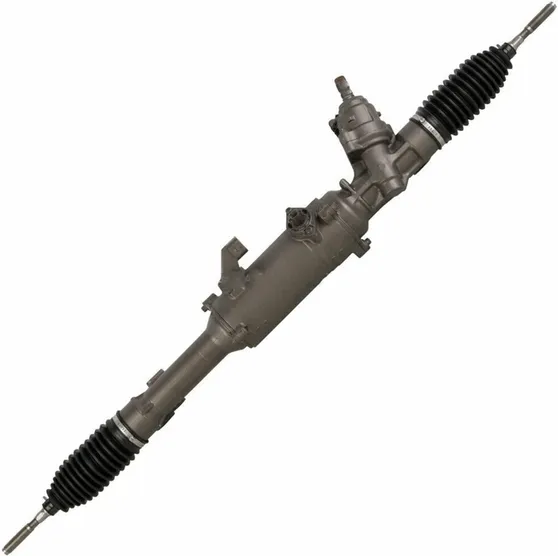
Cost is often the biggest factor when deciding whether to repair or replace a rack and pinion.
Repair costs vary widely depending on the issue, while replacement typically involves more labor and parts expense.
Typical factors affecting cost include:
- Vehicle make and model
- Labor rates
- Hydraulic vs electric steering systems
- Availability of replacement parts
- Extent of rack damage
Repeated repairs can quickly surpass the cost of installing a new or remanufactured rack, but simple repairs might be far less expensive than a complete replacement.
Knowing how much and how long it takes to replace a rack and pinion might be useful before making a decision, as labor frequently accounts for a significant amount of the overall cost.
Long-Term Reliability Considerations
Long-term reliability should be considered just as carefully as immediate repair costs.
Recurring steering issues can result in increased labor expenditures, alignment expenses, and vehicle downtime, even though a less expensive fix may initially appear appealing.
We’ve witnessed instances where drivers had to replace the entire rack after spending hundreds of dollars fixing leaks several times. In many of those cases, the total cost would have been lower if the rack had been replaced right away.
In a similar vein, steering problems can occasionally cause symptoms that mimic wheel-end failures. When driving, drivers may experience vibrations, noises, or pulls that correspond with conditions like the automobile pulling to the left or right, or a clicking sound coming from the front wheel.
When evaluating value, consider:
- Remaining vehicle lifespan
- Current mileage
- Repair history
- Safety concerns
- Expected future maintenance costs
How to Decide Whether Repair or Replacement Is Worth It
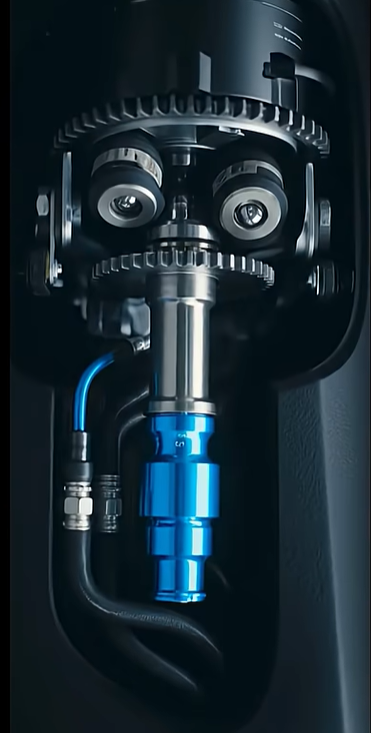
Choosing between repair and replacement depends on the condition of the rack, repair costs, and your long-term ownership plans.
A repair may be worth considering if:
- Damage is minor
- Internal rack components remain healthy
- Leaks are small and localized
- Vehicle mileage is relatively low
Replacement is often the better investment if:
- Internal wear is present
- Steering performance is affected
- Multiple repairs have already been attempted
- Fluid leaks continue returning
- The vehicle is intended for long-term ownership
Since replacement fixes the entire assembly rather than a single malfunctioning part, it frequently provides more peace of mind.
When discussing choices with a mechanic, drivers assessing steering system repairs can benefit from knowing the differences between rack and pinion and power steering.
Why Proper Diagnosis Matters
Proper diagnosis is often the most important step in determining whether repair or replacement is necessary.
Not all steering issues stem from the rack itself. When we evaluated cars that were first diagnosed with rack failure, we found that the symptoms were actually caused by worn tie rods, suspension parts, wheel bearings, or alignment problems.
Accurate diagnosis saves time and money, as demonstrated by our experience with steering, suspension, wheel hub, and wheel bearing systems. It can be just as expensive to replace an unnecessary rack as it is to keep fixing one that should have been replaced.
Make sure the steering system is thoroughly inspected before approving any significant repairs to accurately identify the underlying cause.
FAQs
Is it worth replacing the rack and pinion?
Replacing rack and pinion is worth it when the assembly has significant internal wear, major leaks, or steering performance issues that cannot be reliably repaired. Replacement often offers greater long-term reliability and can avoid recurrent repair expenditures, despite the higher initial cost.
How long can I ride on a bad rack and pinion?
You can technically ride on a bad rack and pinion for a period of time, but it is not recommended because steering performance can gradually worsen and create safety concerns. Excessive play, fluid leaks, wandering steering, and binding are examples of symptoms that might suddenly worsen.
How much does it cost to replace a rack and pinion?
The cost to replace a rack and pinion typically ranges from several hundred to several thousand dollars depending on the vehicle and labor requirements. The final repair cost can be greatly impacted by elements such local labor costs, part availability, and steering system design.
How do I know if my rack and pinion needs replacement?
Your rack and pinion needs replacement when it exhibits internal wear, severe leaking, excessive steering play, binding, or repeated failures after previous repairs. An expert examination can verify if the problem is limited to a fixable part or impacts the steering rack assembly as a whole.