A wheel bearing may be small, but it has a big impact on how your vehicle drives. If your wheels spin smoothly at highway speeds without overheating or wobbling, you can thank your wheel bearing.
So what does a wheel bearing actually do in a car?
What Is a Wheel Bearing?
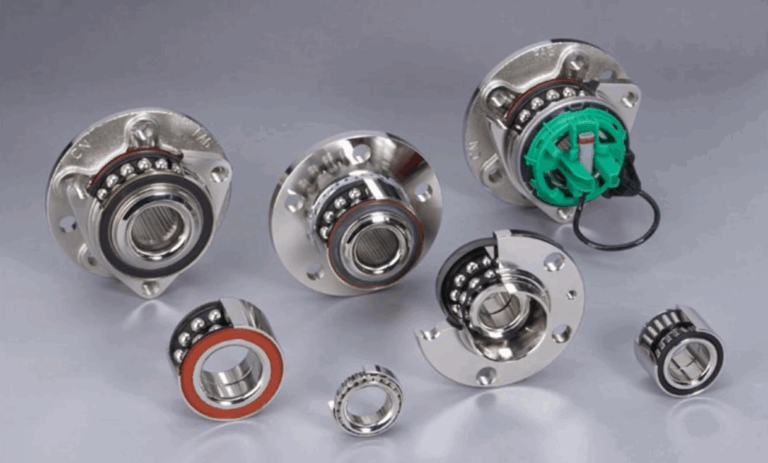
A wheel bearing consists of hardened steel balls or tapered rollers enclosed in a metal ring known as a race. It is located inside the wheel hub and enables the wheel to turn with minimal friction. Because wheel-end components sit inside the vehicle safety path, bearing and hub defects have appeared in recalls catalogued by NHTSA’s recalls database.
Most modern vehicles use a sealed wheel hub bearing assembly. This means the bearing is pre-installed inside a complete hub unit. When it fails, it is common to replace the entire hub assembly.
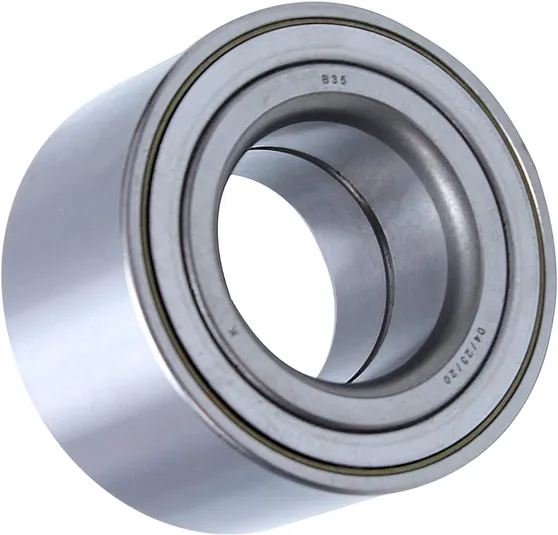
Older vehicles have something called press-in bearings. These bearings need tools to be replaced. You will need a press to do the job. This is because press-in bearings in vehicles are really hard to replace without the right tools.
The cost to replace wheel bearings depend on the car you have. This ranges between $150-$600 to replace a rear wheel bearing, and $250-$800 for a front one, including mechanic costs.
What Does a Wheel Bearing Do in a Car?
A wheel bearing has three important jobs:
1. It lets the wheel spin freely
When you are driving at 70 miles per hour, your wheels are turning around 800 to 900 times every minute. If there were no bearings to reduce the friction, the metal parts would rub against each other and get too hot very fast.
The wheel bearing makes sure the wheel turns smoothly and with minimal friction no matter how fast you are going.
2. It Supports Vehicle Weight
Each wheel bearing holds around one-quarter of the vehicle’s weight.
For a vehicle weighing 4,000 pounds, like an SUV, that is about 1,000 pounds per bearing. All the time. The wheel bearing also soaks up:
- Road bumps
- Potholes
- Braking force
- Cornering loads
On trucks and SUVs, the stress on these parts is even more.
3. The wheel bearing is really important because it keeps the wheel stable and aligned.
A good wheel bearing does the following:
- It stops the wheel from wobbling.
- It keeps the steering from feeling loose.
- It helps the tires wear down evenly.
When the wheel bearing starts to get old, the wheel can get a little loose, which affects how the wheel bearing and the wheel are aligned and how the car handles.
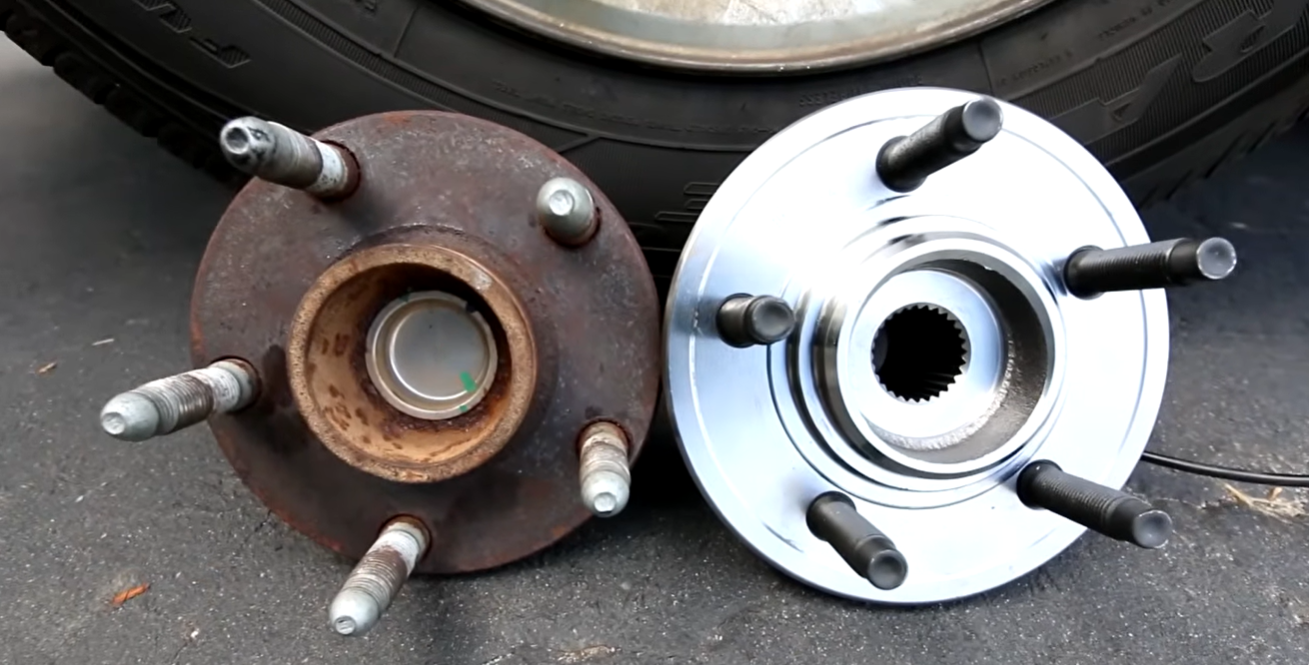
What Does a Bad Wheel Bearing Do?
A damaged or broken wheel bearing is something that usually gets worse over time. If you talk to mechanics or people who have had this problem, they will tell you that it happens in stages and there are a few different signs that indicate a bad wheel bearing. Here is what normally happens when a wheel bearing goes bad:
Stage 1: Humming Noise
When it starts to fail, you’ll usually hear it first. This often sounds like a humming or growling noise that gets louder as you drive faster. that gets louder as the speed increases. Many drivers think this sound is tire noise.
Stage 2: Growling or Grinding
The sound becomes louder and more aggressive, especially during turns.
A common diagnostic trick:
- Noise louder when turning left → often right bearing failing
- Noise louder when turning right → often left bearing failing
Turning shifts weight to the opposite side, increasing pressure on the failing bearing.
Stage 3: Steering Vibration or Wheel Play
As the damage gets worse you might feel the steering wheel vibrate. Notice that the tire is loose when you shake it at the top and bottom. AAA’s tire safety and maintenance guide also flags wheel and tire looseness among the factors that accelerate uneven tire wear, which is often the first visible symptom.
This is when the symptoms of a bad wheel bearing start to get really bad.
Stage 4: ABS or Severe Failure
On a lot of cars the Anti Lock Braking System sensor is part of the wheel hub assembly. When the bearing gets broken it can cause a lot of problems, such as:
- The Anti Lock Braking System warning light turns on.
- The Traction control warning light turns on.
- The braking does not feel right.
If you do not take care of the problem, the hub or axle can get too hot and damaged. The Anti Lock Braking System sensor is really important so when the bearing fails the Anti Lock Braking System can have some issues.
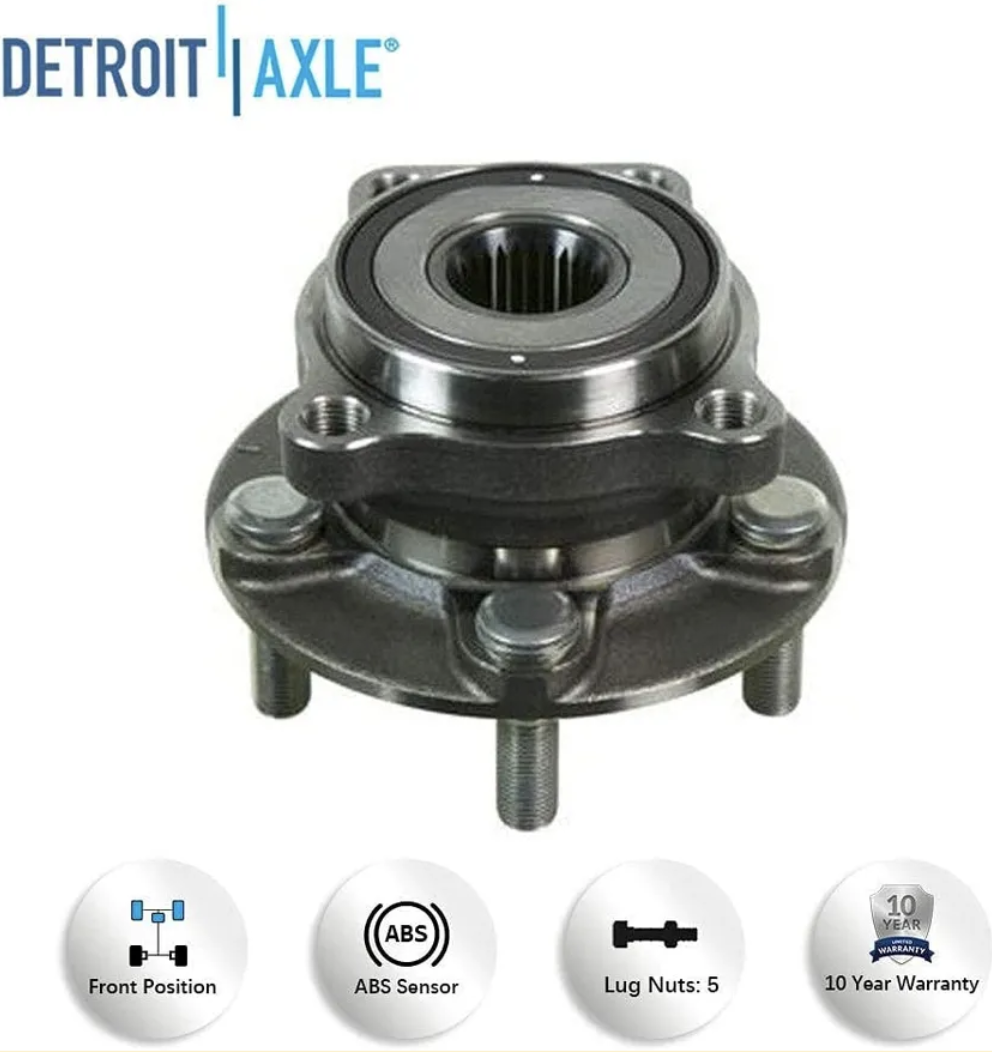
Shop Quality Wheel Hub Bearings
If you are having problems with a bad wheel bearing, it is really important to replace the hub assembly with a part. This is necessary for the safety of the vehicle. So it will last a long time. Replacing the wheel bearing with a quality part will help. The wheel bearing is a part and it needs to be replaced with a good one to ensure the safety and longevity of the vehicle.
Shop Wheel Hub Bearing Assemblies:
https://www.detroitaxle.com/collections/wheel-hub-bearing-assemblies
You can also browse specific front or rear hub assemblies depending on your vehicle application.
FAQs
What does a wheel bearing do in a car?
A wheel bearing is really important because it helps your wheel turn around easily. The wheel bearing supports the weight of your vehicle. It also helps reduce the friction between the wheel and the axle. This means the wheel stays steady when you are driving, when you use the brakes and when you turn the wheel. The wheel bearing is what keeps your wheel stable.
What does a bad wheel bearing do?
A bad wheel bearing usually makes a humming or growling or grinding noise. This noise gets louder when the vehicle goes faster. When the wheel bearing gets really bad it can cause the steering wheel to vibrate. The wheel might also feel loose. You might see the ABS warning lights come on. In bad cases, a bad wheel bearing can make the vehicle hard to drive safely. A bad wheel bearing is a problem that can lead to unsafe driving conditions.