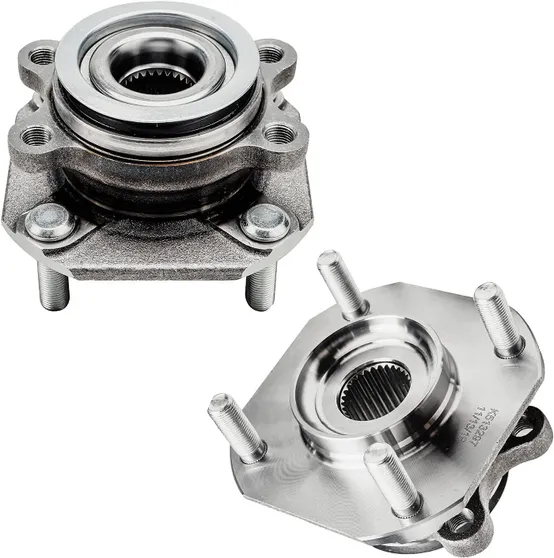
Wheel bearings are one of those components most drivers never think about—until something goes wrong. Whether it’s a faint humming noise at highway speed or a sudden vibration through the steering wheel, bearing issues can escalate quickly if ignored. Understanding the differences between front and rear wheel bearings, how they fail, and what replacement involves can save you from expensive repairs and unsafe driving conditions.
Front wheel bearings typically endure more stress due to steering, braking, excellent weight distribution, while rear bearings frequently carry steadier loads but can still fail from wear, contamination, or seal rupture. Early detection is crucial in both situations. If a failed bearing is not fixed, it can impact handling, ABS functioning, and general driving safety in addition to producing noise.
Key Points to Review
- Wheel bearings allow your wheels to rotate smoothly with minimal friction
- Front and rear wheel bearings can differ in design, load, and replacement complexity
- A failing wheel bearing often creates noise, vibration, and steering instability
- Ignoring symptoms can lead to hub damage and unsafe driving conditions
- Costs vary depending on vehicle type, bearing style, and labor requirements
What Are Wheel Bearings and What Do They Do?
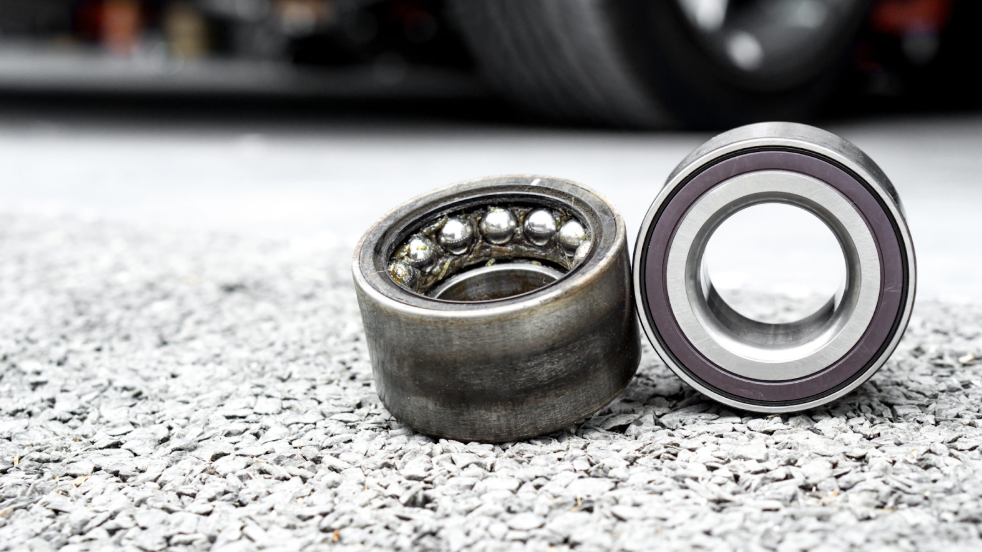
Wheel bearings are components that allow the wheels to rotate smoothly while supporting the vehicle’s weight. They reduce friction between the wheel hub and axle while helping maintain steering stability, braking performance, and smooth driving.
Most modern vehicles use sealed wheel bearing hub assemblies designed to keep out moisture, debris, and contamination. Over time, wear or seal failure can lead to noise, vibration, or looseness that eventually requires replacement.
The role of wheel bearings in your vehicle
Wheel bearings sit inside the wheel hub and reduce friction between the stationary suspension and the rotating wheel. Your car would constantly encounter metal-on-metal resistance without them, which could result in overheating and failure.
Many drivers confuse wheel hub vs wheel bearing, However, they are not always the same. While some cars utilize a whole hub assembly that includes the bearing, others use a separate bearing that is pressed into the hub.
Front vs Rear Wheel Bearings: Key Differences
Front and rear wheel bearings differ mainly in load distribution, steering involvement, and replacement complexity. Front wheel bearings typically endure greater stress because they support much of the engine weight while also handling steering input and braking forces. Particularly in front-wheel drive vehicles, this mix of duties frequently results in front bearings wearing down more quickly than rear units.
Because they are not affected by steering movement and typically carry more constant loads, rear wheel bearings can often last longer. Road impact, mileage, moisture ingress, and heavy freight loads still cause wear on them. Additionally, replacement methods might differ greatly. While many rear configurations use sealed hub assemblies, which are simpler to replace but may cost more parts, certain front bearings require more labor-intensive disassembly.
Why front wheel bearings wear faster
Front wheel bearings typically wear faster because they manage engine weight distribution, brake load, and steering forces. As a result, they are under greater stress than rear bearings.
The front bearings on many cars, particularly those with front-wheel drive, also manage the drivetrain’s power delivery, which increases the strain during acceleration. The front wheel assemblies are repeatedly compressed by every turn, halt, pothole hit, and change in road surface. Internal bearing surfaces may eventually deteriorate more quickly under this continuous load and movement combination than under the more stable operating circumstances seen at the rear.
Rear wheel bearing characteristics
Rear wheel bearings usually experience more consistent load but less directional stress.They are included into sealed hub assemblies in many contemporary cars, which makes replacement easier but frequently more costly.
Over the years, we have worked on numerous suspension and drivetrain systems, and one trend has emerged: steering feedback nearly invariably leads to the early detection of front-end bearing problems. In actual workshop settings, we frequently witness clients misdiagnosing bearing noise as tire or brake problems, particularly when working with intricate systems like car suspension components or uneven road wear.
With our level of practical experience, diagnosing bearings is not a matter of conjecture. Road testing, lift tests, and vibration analysis are all part of this organized inspection procedure. Additionally, a number of related concerns overlap here, including car pulling to the left or right, which can sometimes be mistaken for alignment problems instead of early-stage bearing wear.
Common Symptoms of a Bad Wheel Bearing
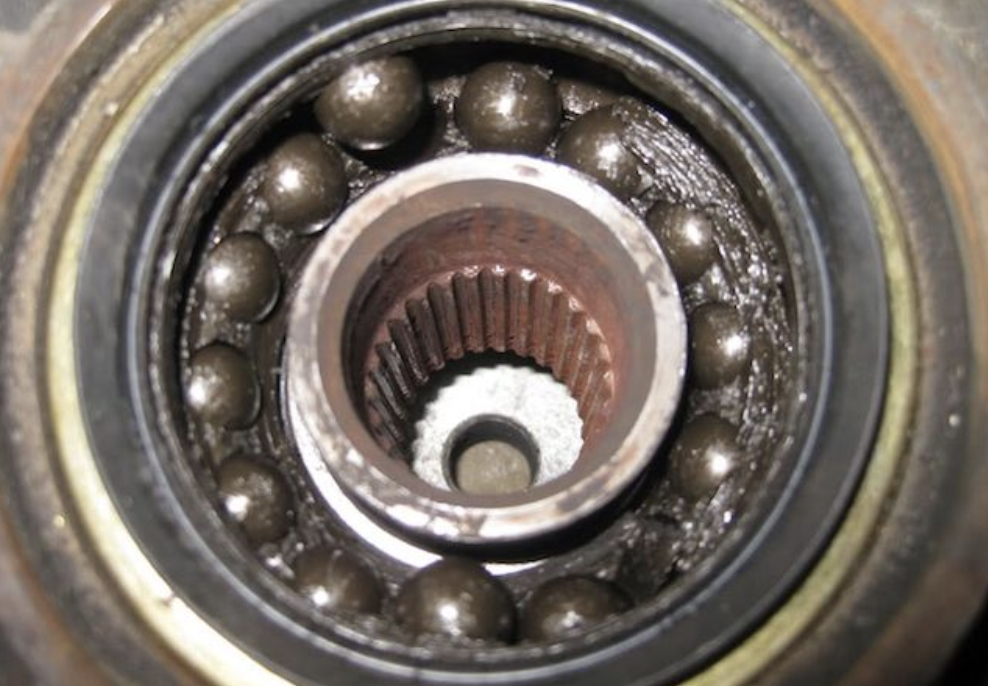
A failing wheel bearing usually produces clear warning signs before complete failure occurs.
What Does Bad Wheel Bearing Sound Like?
A bad wheel bearing usually sounds like a humming, grinding, or roaring noise that gets louder with speed. In many cases, the sound changes while turning, which helps identify which side is failing.
Because wheel bearing noise is commonly confused with tire, brake, or drivetrain issues, proper diagnosis is important before replacing parts.
How Wheel Bearing Replacement Works (Front & Rear)
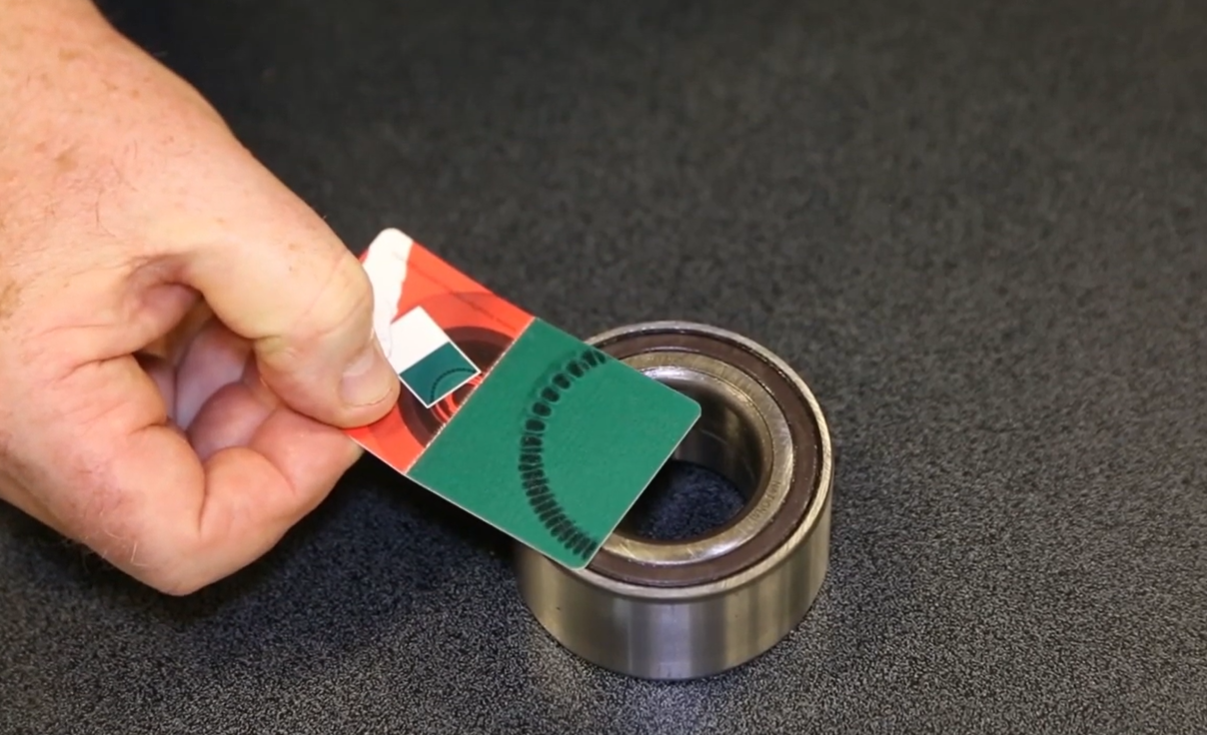
Wheel bearing replacement varies depending on whether the vehicle uses a press-in bearing or a sealed hub assembly.
Older vehicles often require the bearing to be pressed in and out using specialized tools, while many modern vehicles use complete hub assemblies that bolt directly into place.
Front wheel bearings are usually more labor-intensive because steering and axle components must often be removed during the repair.
Cost, Time & When to Replace Wheel Bearings
Wheel bearing replacement cost and timing depend heavily on vehicle type, bearing design, labor complexity, and whether you’re replacing front or rear units. Some vehicles use simple bolt-on hub assemblies, while others require pressing the bearing into the steering knuckle, which increases labor time significantly.
Average Wheel Bearing Replacement Cost by Vehicle Type
Wheel bearing replacement costs can vary significantly depending on the vehicle.
Typical examples include:
- Compact sedans: usually on the lower end of repair cost
- Mid-size SUVs: moderate parts and labor pricing
- Trucks and heavy-duty vehicles: higher due to larger hub assemblies
- Luxury vehicles: often higher because of premium parts and labor complexity
For common vehicles, typical repair ranges often look something like this:
- Toyota Corolla wheel bearing replacement: moderate cost with relatively straightforward labor
- Ford F-150 front hub replacement: higher due to larger assemblies and truck suspension design
- Honda Civic front wheel bearing replacement: can become labor-heavy if press-in bearings are used
- Chevrolet Silverado wheel bearing replacement: usually more expensive because of heavier-duty hubs
In real-world shop situations, labor often matters more than the bearing itself. A premium bearing may cost slightly more upfront, but if replacing it requires several hours of suspension disassembly, using a higher-quality component can help avoid repeating the entire process later.
How Long Does It Take to Replace Wheel Bearings?
Wheel bearing replacement usually takes between 1 to 3 hours per wheel depending on vehicle design, corrosion, and whether the bearing is pressed in or part of a complete hub assembly.
Bolt-on hub assemblies are generally faster to replace, while pressed bearings often require additional suspension disassembly and hydraulic press work.
FAQs
What does a wheel bearing do?
A wheel bearing allows your wheels to rotate smoothly while supporting the vehicle’s weight and reducing friction between moving parts.
It serves as the interface between the revolving wheel and the stationary suspension and is located inside the wheel hub. It’s engineered to handle both radial loads (vehicle weight) and lateral forces (cornering pressure), ensuring stable and efficient wheel rotation. Without it, friction would increase quickly, leading to uneven wear, overheating, and ultimately wheel assembly failure. Wheel bearings in the majority of contemporary cars are sealed and pre-lubricated, allowing them to function for extended periods of time without maintenance until wear naturally occurs.
How to inspect wheel bearings?
You can inspect wheel bearings by lifting the vehicle, spinning the wheel by hand, and checking for noise, roughness, or looseness. A healthy bearing should rotate smoothly and quietly without excessive play. Grinding sounds, vibration, or wheel movement often indicate internal wear or damage.
How to replace wheel bearings?
You replace a wheel bearing by removing the wheel, removing the hub or knuckle, replacing the hub assembly or pressing out the old bearing, and then firmly reassembling everything.
The vehicle design determines the precise procedure. In older systems, the bearing must be carefully pressed in and out with specialist equipment to prevent damage to the hub or other surrounding components. A full hub assembly is frequently used in modern cars, which makes the task easier by enabling the entire unit to be unbolted and replaced. Appropriate torque parameters are crucial after installation, and in certain situations, recalibrating ABS sensors may be necessary to fully restore system functionality.
Is it safe to drive with a bad wheel bearing?
No it is not safe to drive with a bad wheel bearing, because a failed bearing may cause uneven braking, wheel instability, and in severe situations, wheel separation.
Internal damage may occur more quickly as a result of the hub’s increased heat and friction when the bearing degrades. Reduced vehicle control, noise amplification, and steering vibration could result from this. The hub, axle, and suspension system may be stressed in extreme circumstances if the bearing seizes or completely collapses. Driving in this state raises safety risks considerably and may cause expensive secondary damage that goes beyond the bearing itself.