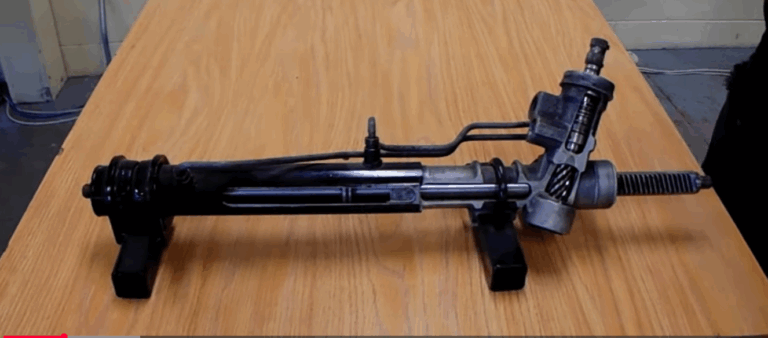
Rack and pinion steering systems are built to last, but internal components wear down over time. When seals fail or gears wear, replacing the full assembly is usually the only reliable fix.
Worn gears and leaking seals hit handling hard because the steering rack directly controls how your car responds to steering wheel input. If you’re not sure what the rack does, start with how a rack and pinion system works.
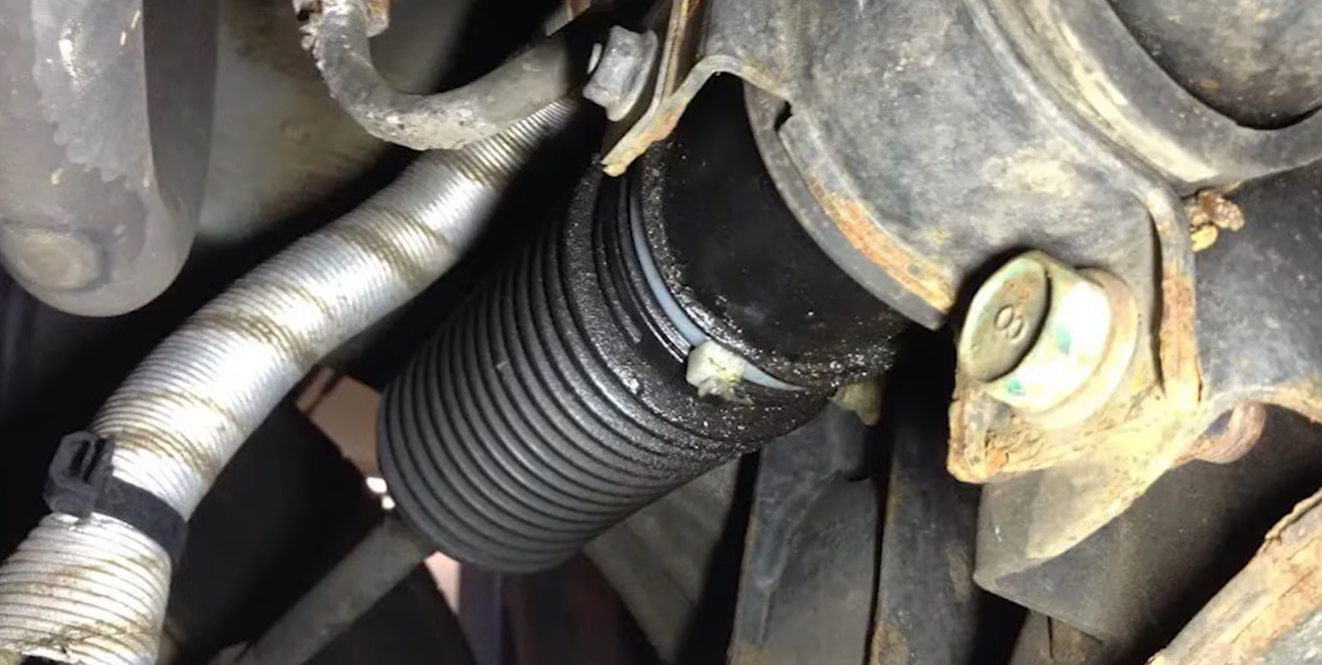
Key Points to Review
- Total rack and pinion replacement cost runs $700–$2,100 for most passenger cars, covering parts, labor, and fluid.
- Parts run $300–$900 depending on vehicle type and whether the rack is hydraulic or electric. Electric racks cost more because of the integrated motor and sensors.
- Labor runs $400–$1,200 and 3–6 hours. Compact cars are on the short end. Trucks and vehicles with tight engine bays or subframe removal take longer.
- Budget for tie rods, power steering hoses, and a four-wheel alignment on top of the rack itself. These add $200–$400 to the total on most vehicles.
Average Replacement Cost
Rack replacement costs land all over the place depending on vehicle and labor complexity. Rack defects continue to appear in recall actions tracked by NHTSA’s recalls database, which is part of why shops rarely recommend patching a failing rack instead of replacing it.
Typical cost ranges include:
| Repair Type | Average Cost |
| Parts | $300 – $900 |
| Labor | $400 – $1,200 |
| Total | $700 – $2,100 |
Most common passenger cars land in the middle of that range.
For example:
- A compact sedan may cost $300–$600 for parts and around $500–$800 in labor
- A mid-size SUV or truck may cost $600–$900 for parts and $800–$1,200 in labor
Vehicles with tight engine bays, subframe-mounted racks, or advanced EPS systems push toward the top of the range.
Factors That Affect Cost
Here’s what actually moves the number on this repair. Vehicle type, steering system design, and labor complexity each push the total in different directions, and on some vehicles more than one of these factors stack.
Vehicle Make and Model
Vehicle design drives both part cost and labor time.
- Smaller vehicles typically use less expensive steering racks
- Larger vehicles and trucks often require heavier-duty and more costly components
- Luxury and performance vehicles may use more advanced steering systems
Hydraulic vs Electric Rack
Whether the car has a hydraulic or electric rack changes the part cost significantly.
- Hydraulic racks use power steering fluid and pumps, which may require additional parts during replacement
- Electric power steering (EPS) racks use electric motors and sensors, which can increase the cost of the unit
- Electric power steering (EPS) racks use electric motors and sensors, which can increase the cost of the unit
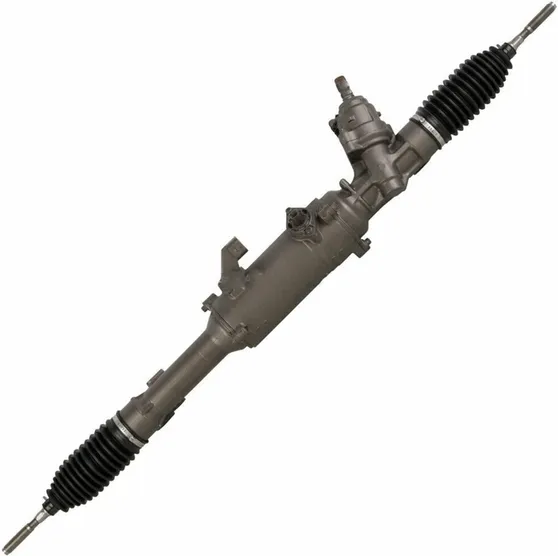
Understanding the differences between these systems can help explain why prices vary.
Labor Complexity
How accessible the rack is determines how many hours a shop bills for labor.
- Some vehicles allow relatively easy access to the steering rack
- Others require removing subframes or suspension components
For instance, automobiles with front-wheel drive and small engine bays might need more disassembly, which would increase labor costs and time.
Labor Time
Most rack replacements take 3–6 hours of shop labor.
In simple situations, it only takes a few hours to remove and reinstall the rack. Vehicles with complicated suspension systems, tight clearances, or corrosion, however, might take longer.
If you’re considering doing the job yourself or want to understand the process, it will help to review how to replace a rack and pinion system step by step, then get to work.
Additional Costs
Most shops recommend replacing related components at the same time as the rack, since the car is already disassembled and these parts often show wear at similar mileage.
Common additional costs include:
- Tie rods – Often replaced along with the rack, especially if worn
- Power steering hoses – May need replacement if leaking or brittle
- Steering fluid – Required to refill and bleed the system after installation
For instance, worn tie rods may interfere with alignment and shorten the new rack’s lifespan if they are kept in place. Alignment and tie rod condition are flagged by the Car Care Council’s maintenance guide as part of a routine steering and suspension inspection, which is why most shops handle them at the same time as a rack job.
Decide whether rack and pinion replacement is worth it based on your vehicle’s value and condition.
FAQs
How much does rack and pinion replacement cost?
The average cost of replacing a rack and pinion, including labor and parts, is between $700 and $2,100. The type of steering system, labor complexity, and vehicle all affect the final cost.
Why is rack replacement expensive?
The steering rack sits deep in the front subframe area. Getting to it takes several hours, and shops often need to replace related components like hoses and tie rods while the area is already disassembled.
Do electric racks cost more to replace?
Electric power steering racks cost more to replace because they integrate a motor and sensors into the unit. No power steering fluid means lower ongoing maintenance costs, but the upfront part cost is higher.