Whether replacing a rack and pinion (also called the steering rack assembly) is worth the cost depends on the car’s condition, mileage, and what’s actually failing. The answer changes a lot based on those three factors.
Because the steering racks is the core component of the rack and pinion system, accurately diagnosing whether the issue is internal (rack failure) or external (tie rods, hoses, fittings) is critical before deciding between repair and replacement. If you’re comparing repair options, it may help to review the typical rack and pinion replacement cost and labor estimates.
Key Points to Review
- Replacing a rack and pinion is worth it when internal gears or hydraulic seals have failed. External components like tie rods or hoses can often be repaired without touching the rack itself.
- Total replacement cost runs $800–$2,000 depending on vehicle type, labor complexity, and whether tie rods and alignment are included.
- On any car you plan to keep another two or three years, rack replacement pays for itself. A bad rack accelerates tie rod wear, inner-edge tire wear, and alignment drift.
- Rack replacement stops making financial sense when the repair cost approaches or exceeds the vehicle’s trade-in value, especially with other major issues on deck.
When Replacement Is Necessary
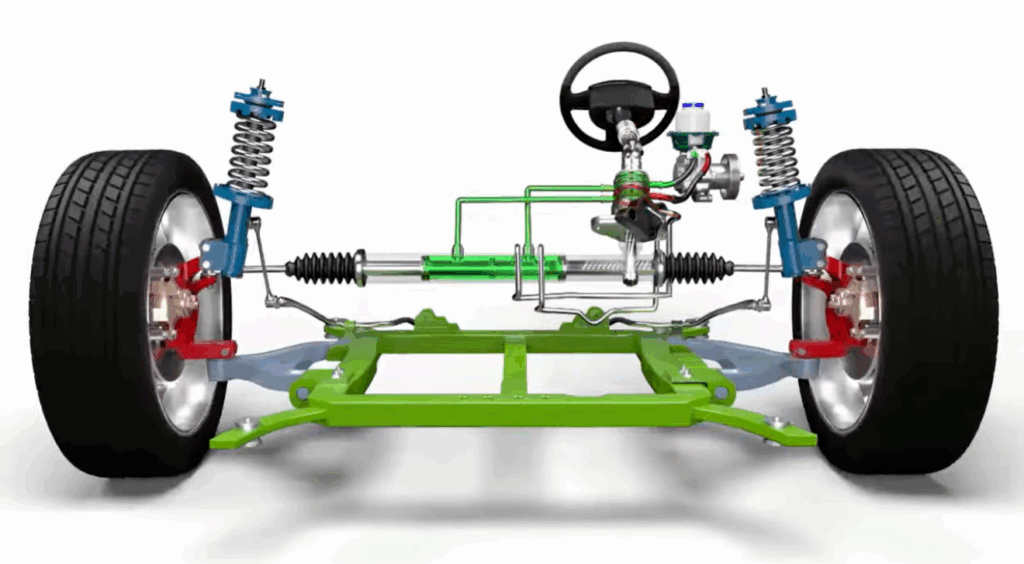
Rack and pinion replacement is necessary when there is internal gear wear, major hydraulic seal failure, or steering becomes loose and unsafe. Steering rack defects continue to appear in recall actions tracked by NHTSA’s recalls database, which is why a compromised rack is rarely something to defer.
Replacement is often required when:
- Internal gear wear occurs – Over time, the rack and pinion gears wear down, causing inconsistent or “notchy” steering.
- Hydraulic seals leak – Power steering racks rely on internal seals; once they fail, pressure drops and steering assist weakens.
- Steering becomes loose or unsafe – Excessive steering wheel play usually means the rack’s internal components are worn past the point of adjustment.
For example, in high-mileage vehicles, once the internal rack bushings and gears wear out, replacing individual parts won’t restore proper steering feel. A full rack assembly replacement becomes the only reliable fix.
From real-world cases, many drivers report that once steering starts feeling “loose in the center” or inconsistent during turns, replacing smaller components doesn’t fully solve the issue because the wear is inside the rack itself.
If you have the time and you know what you’re doing, it is possible to replace the rack and pinion system by yourself.
When Repairs May Be Enough
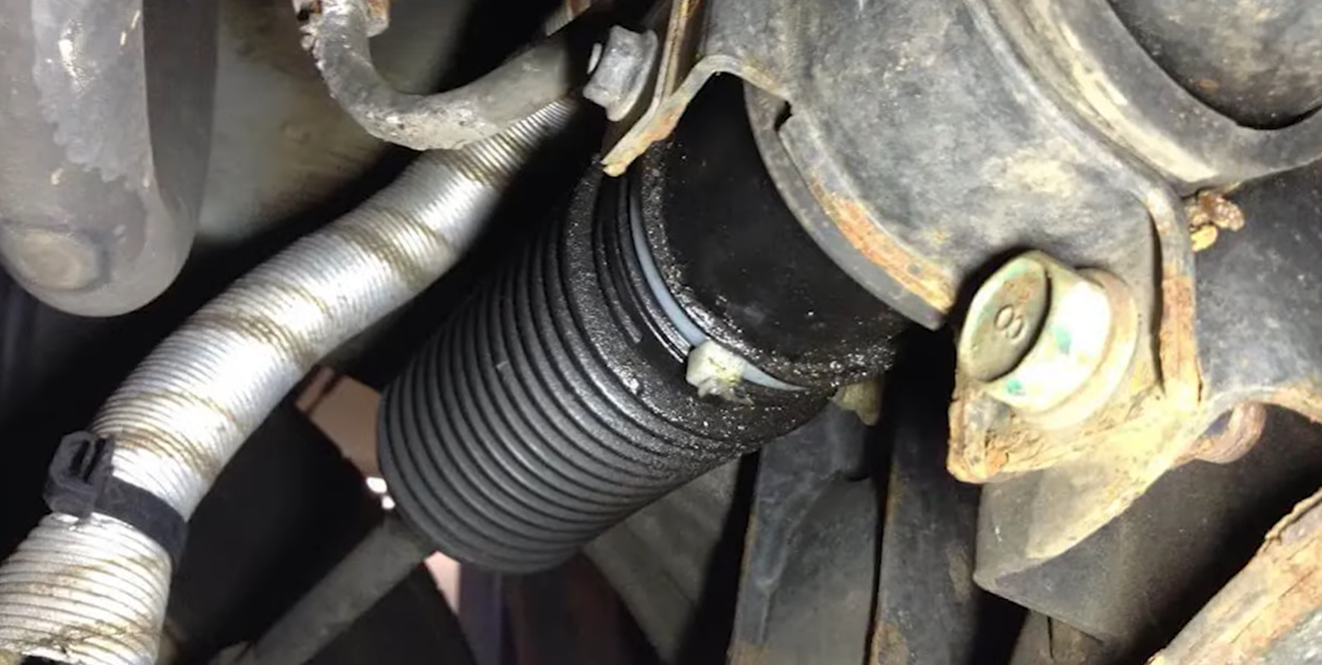
Repairs are enough when the issue comes from external steering components rather than the rack and pinion assembly itself.
Common repairs that may solve the issue include:
- Tie rod replacement – Similar to rack issues, steering looseness can be caused by worn inner or outer tie rods.
- Power steering hose repairs – Hoses that leak could result in fluid loss without harming the rack.
- Fluid leaks from external fittings – Sometimes it is possible to fix loose or damaged fittings without having to replace the rack assembly.
For instance, a small power steering fluid leak from a hose can reduce steering assist, but fixing the hose restores normal function without replacing the rack.
In many cases, misdiagnosis leads to unnecessary rack replacement. A proper inspection can save hundreds or even thousands of dollars by identifying whether the problem is truly internal.
Cost vs Vehicle Value
Typical replacement costs range between $800 and $2,000, depending on:
- Vehicle type
- Labor time (often 4–8 hours)
- Additional parts (tie rods, fluid, alignment)
For older vehicles with low resale value, spending $1,500+ on a rack may not make financial sense.
However, for vehicles in otherwise good condition, replacing the rack:
- Restores safe steering
- Extends the car’s lifespan
- Prevents further suspension or tire wear
From my experience both working in the shop at Fullerton and with my own clients, many owners of older cars choose to delay replacement but end up replacing the rack anyway after steering becomes unsafe. delaying only increases risk rather than reducing cost.
Replacing the rack, however, might still be beneficial if the car is generally dependable since it can prolong its usable life and restore safe steering performance. You could drive on a bad rack and pinion, just not for long, and it’s definitely not recommended.
When Rack Replacement Pays for Itself
Rack replacement pays for itself on any car you plan to keep another two or three years. A bad rack does not just make steering feel vague. It accelerates tie rod end wear, inner-edge tire wear, and alignment drift. AAA’s tire safety and maintenance guide points to misalignment and inner-edge wear as two of the fastest ways to shorten tire life, which is part of why a delayed rack often costs more than the rack itself. Spend $600-$1,400 on the rack, save $400 on tires and alignment over the next 30,000 miles, plus actually enjoy driving the car.
Where it stops making sense is on a high-mileage car with other major issues on deck, like a timing chain, head gasket, or transmission, and a trade-in value under what the repair costs. In that case, the conversation shifts from ‘replace the rack’ to ‘replace the car.’
FAQs
Can rack and pinion be repaired instead of replaced?
Rack and pinion systems can sometimes be repaired, but only when the issue is external or minor. Problems like worn tie rods or leaking hoses can be fixed without replacing the rack, but internal gear or seal failure usually requires full replacement.
Is rack replacement expensive?
Rack replacement is expensive, typically costing between $800 and $2,000. The cost is high because the part is complex and labor-intensive, often requiring several hours plus a wheel alignment.
How long does a rack and pinion last?
A rack and pinion typically lasts between 100,000–150,000 miles. Clean power steering fluid and avoiding rough roads extend that life.
Will a new rack improve steering performance?
A new rack will improve steering performance by restoring precise control and eliminating looseness or leaks. It brings back consistent steering response and removes issues caused by internal wear.