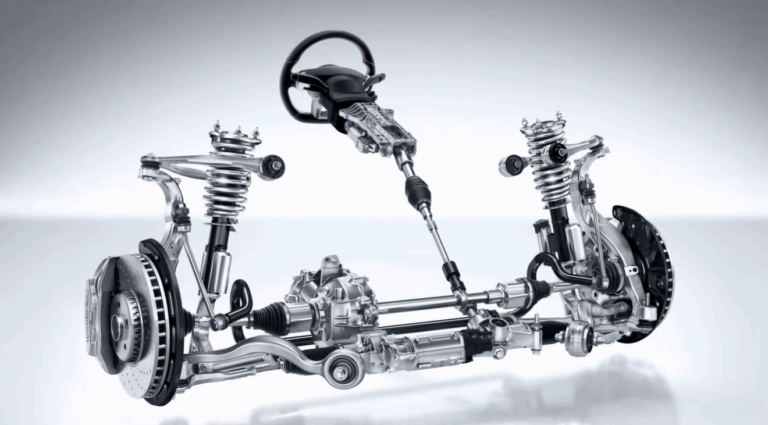
Power steering is a system that helps drivers turn the steering wheel with less effort. It employs electronic or hydraulic assistance to lessen the force required to steer the car, particularly when parking or at low speeds. It would take a lot more physical effort to turn the wheel without power steering, especially in bigger cars.
Power steering is essential to modern cars for safety, comfort, and precise handling. Drivers may experience irregular steering response, strange noises, or stiff steering when the device is malfunctioning.
Key Points to Review
This guide explains:
- What power steering is and how it works
- Types of power steering systems
- Main components involved
- Common problems and symptoms
- Why power steering may stop working
- How power steering relates to other steering components
How Power Steering Works
Power steering reduces steering effort by assisting the movement of the steering rack. The technology adds extra force to help move the wheels when you turn them.
In hydraulic systems:
- A pump pressurizes fluid
- Fluid flows through hoses
- Pressure assists steering movement
In electric systems:
- An electric motor provides assistance
- Sensors measure steering input
- The system adjusts assistance automatically
Both designs aim to make steering smoother and more controlled.
Types of Power Steering Systems
Types of power steering systems vary by how they create steering assist, but all are designed to reduce the effort needed to turn the wheel. While many modern cars employ electric motors for increased efficiency and simpler maintenance, older cars frequently use hydraulic systems that depend on fluid pressure. Additionally, some models employ electro-hydraulic configurations that incorporate elements of both. Knowing the various kinds makes it easier to understand why frequent issues, service prices, and steering feel might differ between cars.
Hydraulic Power Steering
Hydraulic systems use fluid pressure generated by a belt-driven pump. Many trucks and older cars use these systems.
They include:
- Power steering pump
- Fluid reservoir
- Hoses
- Steering rack
Although hydraulic systems are long-lasting, they need upkeep like fluid checks and leak inspections.
Electric Power Steering (EPS)
Electric systems use a motor instead of hydraulic fluid.
Advantages include:
- No fluid maintenance
- Improved fuel efficiency
- Variable steering assist
EPS systems are more common in modern vehicles.
Electro-Hydraulic Power Steering
This hybrid system uses hydraulic fluid but with an electrically driven pump. It incorporates elements from both systems.
Main Power Steering Components
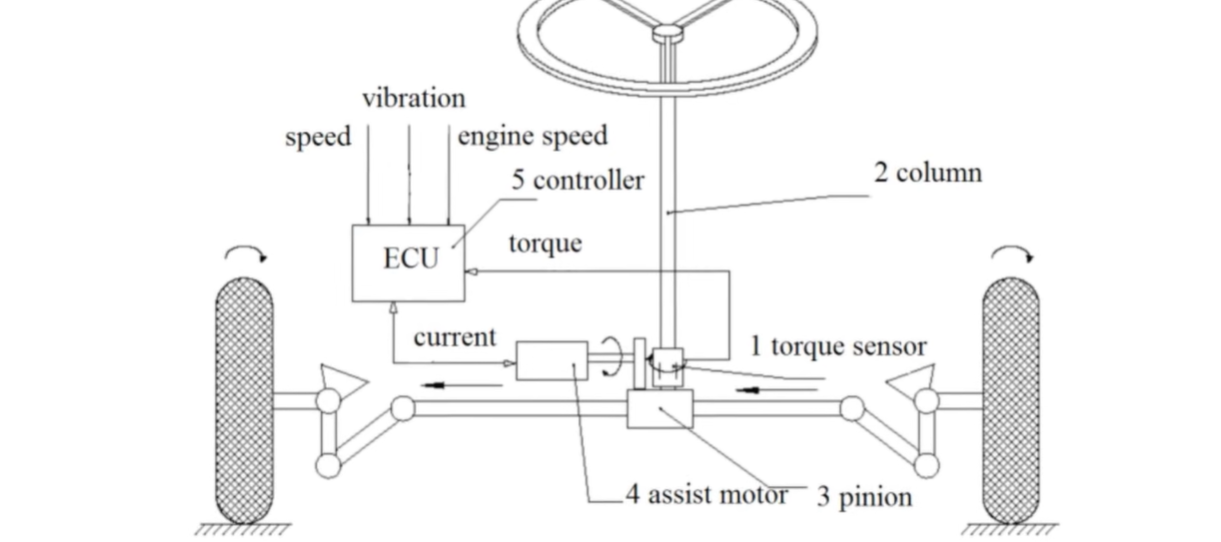
Power steering works together with several steering and suspension parts.
Key components include:
- Power steering pump or motor
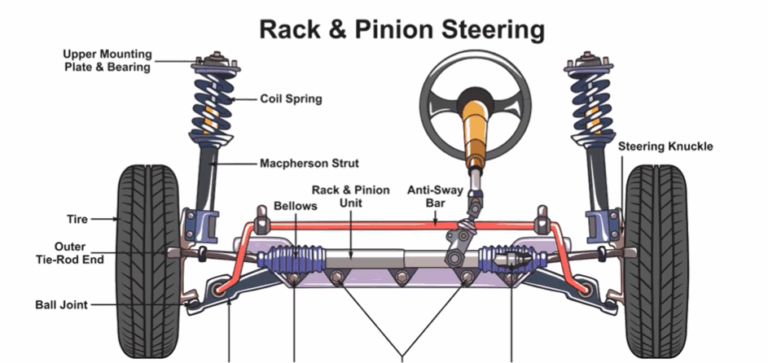
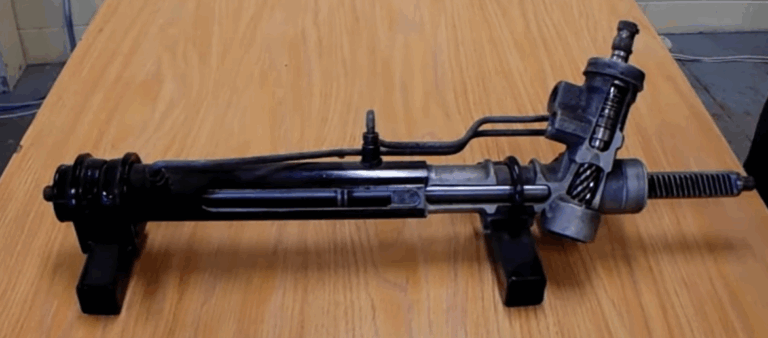
- Steering rack and pinion
- Hoses and lines
- Fluid reservoir
- Steering column
- Control valves
Additionally, these pieces interact with other parts of the car, such as suspension parts, which affect how steering input is transferred to the wheels. Comparisons such as rack and pinion vs. ball screw are crucial for comprehending steering systems because the steering rack itself may differ based on design.
Why Power Steering Is Important
Power steering improves:
- Steering comfort
- Low-speed maneuverability
- Driver control
- Safety during emergency maneuvers
It would be challenging to spin the wheel during parking or tight maneuvers without assistance. Controlling heavier cars would be very difficult.
Common Power Steering Problems
Power steering systems can develop issues over time. Some common problems include:
- Fluid leaks
- Pump noise
- Loss of steering assist
- Air in the system
- Worn rack seals
Leaks are very prevalent and cause fluid levels to decline, which results in less help.
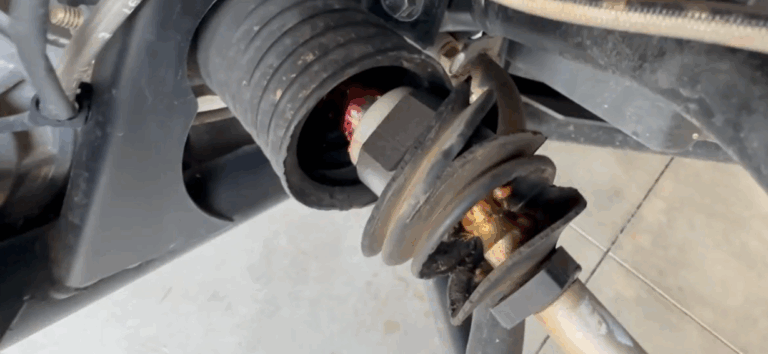
I remember on time a motorist reported that when driving on a highway, the steering felt normal, but when parking, it became stiff. There was no visible leak, although the fluid level seemed a little low. We discovered a tiny quantity of fluid building up around the rack boot after cleaning the system’s components. The seal had begun to weaken, but it wasn’t dripping yet. The steering momentarily improved once the fluid was topped off and monitored. Early rack seal deterioration was confirmed when the leak became more apparent a week later. Intermittent steering assistance is frequently explained by this kind of gradual problem.
Signs Your Power Steering May Be Failing
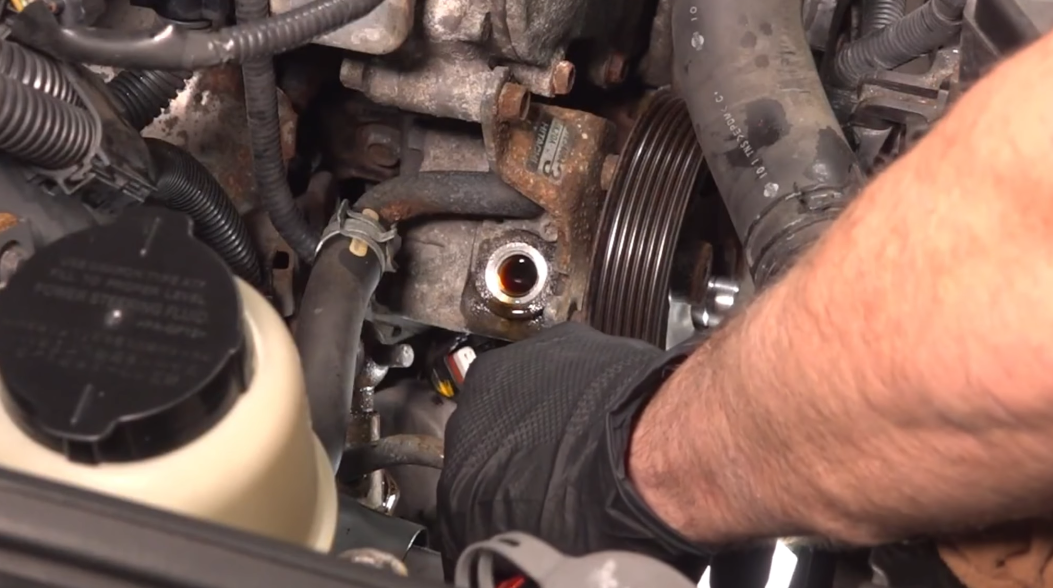
Common symptoms include:
- Stiff steering wheel
- Whining noise
- Fluid leaks under the car
- Steering that comes and goes
- Steering vibration
What Happens When Power Steering Fails
If the system stops working:
- Steering becomes harder
- Low-speed control is reduced
- Pump damage may occur
- Additional components may wear
Despite a considerable increase in steering effort, the car may still be driven.
Preventing Power Steering Problems
Preventive steps include:
- Checking fluid levels regularly
- Inspecting hoses and fittings
- Listening for unusual noises
- Fixing leaks early
- Flushing old fluid
By taking these precautions, steering assistance can be prevented from abruptly stopping.
FAQs
What is power steering in simple terms?
Power steering is a system that helps you turn the steering wheel more easily by using hydraulic pressure or an electric motor. It reduces the steering effort required, particularly at low speeds like parking or tight turns. Without it, turning the wheel would take significantly more force, especially in larger vehicles or heavier SUVs.
Can you drive without power steering?
Yes, you can drive without power steering, but steering becomes much harder, especially at low speeds or when parking. The vehicle is still controllable because the steering is mechanically linked, but it requires much more physical effort. Over time, driving like this can also increase strain on other steering components because the system is being worked harder than normal.
What causes power steering to stop working?
Power steering may stop working due to low fluid, leaks, pump failure, or air in the system. Electric power steering systems may also be affected by electrical faults or sensor issues. In many cases, drivers notice intermittent loss of assist first, where steering feels normal at times and suddenly becomes heavy before the system fails more consistently.
Is power steering the same as rack and pinion?
No, power steering is not the same as rack and pinion. Power steering provides assistance to reduce steering effort, while rack and pinion is the mechanical system that actually moves the wheels left and right. Both systems work together, and if either one has issues, the steering can feel stiff, loose, or inconsistent.
How long does power steering last?
Power steering systems can last many years with proper maintenance. However, components like pumps, racks, hoses, and seals can wear over time, especially if fluid leaks or contamination are not addressed. Regular inspections and timely fluid maintenance help extend system life and prevent premature failure of major steering components.