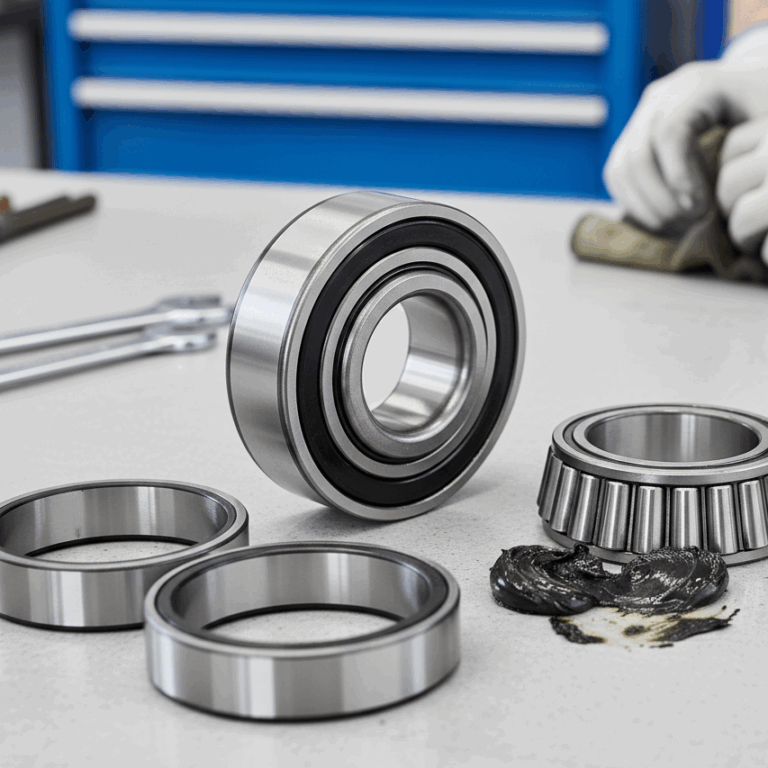
Choosing the best wheel bearing brand matters because it directly affects lifespan, noise levels, and overall driving safety. A high-quality bearing can last years, while a low-quality one may fail early and require repeating the entire repair.
Depending on the car manufacturer, some brands also do better. The ideal wheel bearing brand may change depending on the vehicle’s weight and hub configuration. For instance, some models are known for long-term dependability on Toyota sedans, while others tend to hold up better on Ford trucks that tow regularly. For this reason, car makes like Ford, Toyota, and Chevrolet are frequently mentioned while discussing brand recommendations.
Key Points to Review
This guide covers:
- Best overall wheel bearing brands
- OEM vs aftermarket differences
- How to choose the right brand
- Brand recommendations by vehicle make
What Makes a Good Wheel Bearing Brand
Build Quality
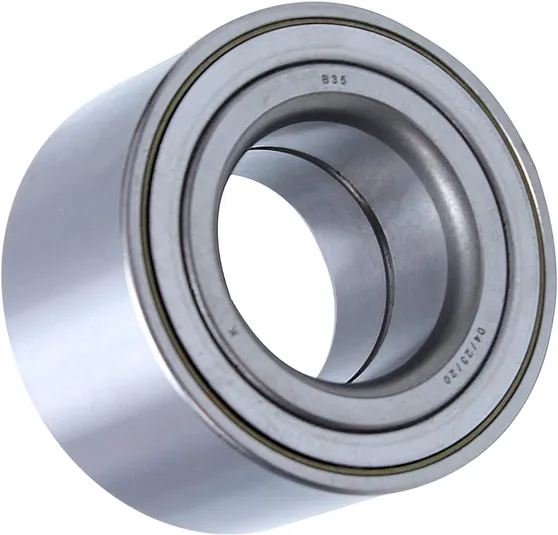
Build quality determines how well a wheel bearing handles load, heat, and contamination.
Important factors include:
- Steel hardness
- Sealing design
- Heat resistance
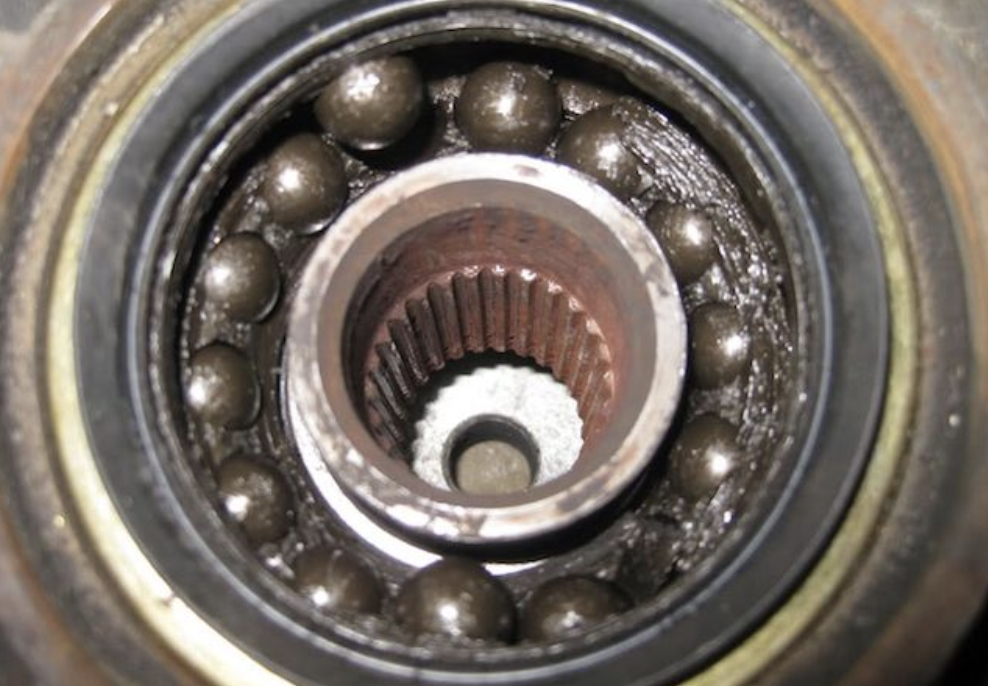
One of the most frequent causes of early wheel bearing failure I see is contamination, which can be made possible by poor sealing. In certain instances, the seal enabled moisture to penetrate, causing a bearing to begin humming just a few thousand miles after installation. Knowing the common indicators of a defective wheel bearing is always helpful in diagnosing symptoms.
Longevity
Longevity refers to how long a wheel bearing lasts under normal driving conditions.
Factors affecting lifespan:
- Daily driving vs heavy-duty use
- Road conditions
- Vehicle weight
Because labor must be repeated, bearings that fail early frequently result in higher overall repair costs. One time, replacing a cheap bearing twice ended up costing me more than installing a higher-quality brand just once. This is particularly crucial when taking the whole cost of replacing wheel bearings into account.
Fitment Accuracy
Fitment accuracy ensures the bearing installs correctly and functions properly.
Key considerations:
- OEM tolerances
- Integrated ABS sensors
- Hub assembly design
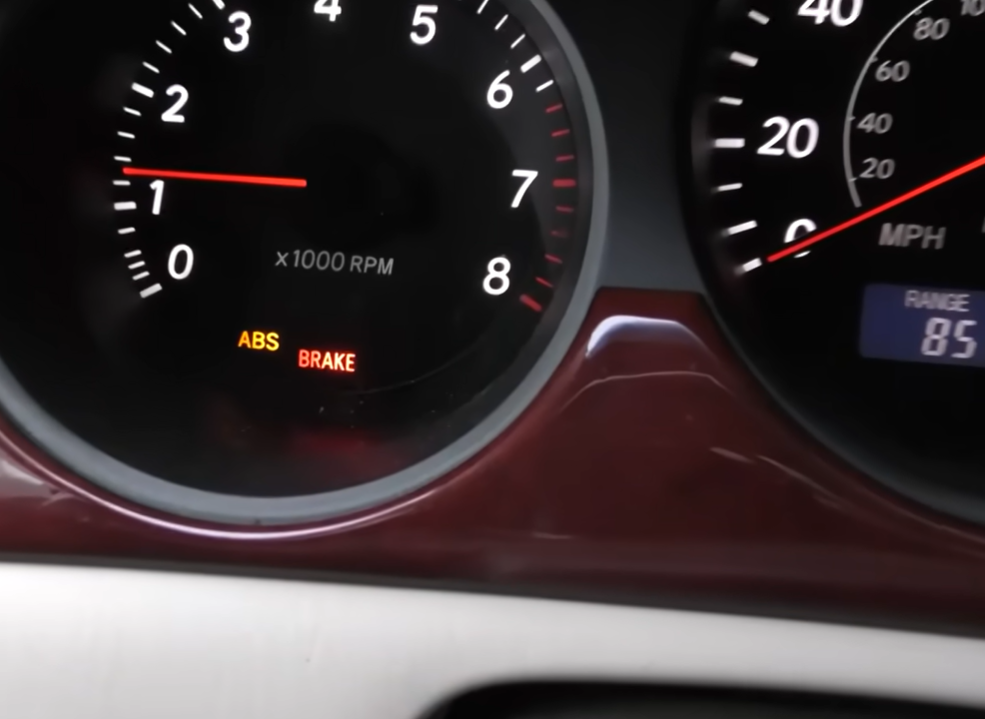
Since many contemporary cars have hub assemblies with integrated bearings, fitting correctness is even more crucial. Aftermarket hubs with slightly misaligned ABS sensors have been known to immediately activate warning lights upon installation, (I feel victim to that). When comparing brands, it can be useful to comprehend how these elements interact.
Best Wheel Bearing Brands (Top Picks)
1. Best Value for Most Drivers — Detroit Axle
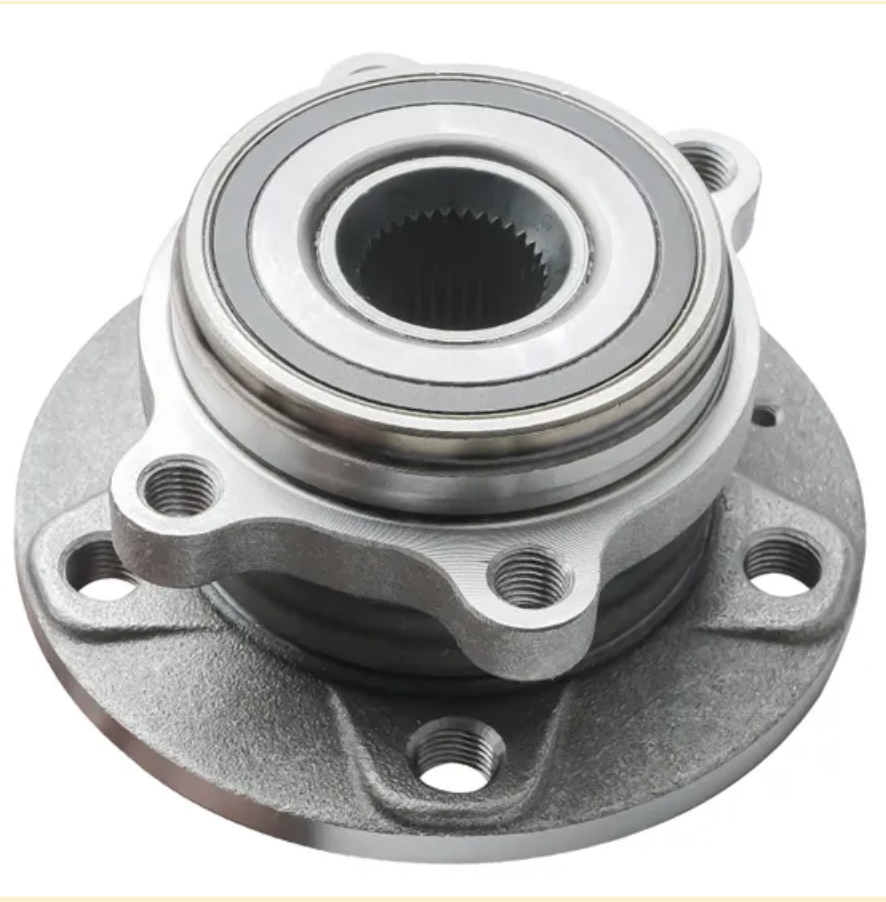
Detroit Axle is widely known for offering one of the best balances between cost and reliability, making it a popular choice for everyday drivers who want dependable parts without paying premium-brand pricing.
Key strengths:
- Affordable pricing
- Complete hub assemblies available
- Reliable performance for daily driving
- Strong value for older or high-mileage vehicles
- Wide range of common passenger car and SUV applications
Detroit Axle has been particularly effective on commuter cars, where affordability is important but dependability must still be strong. In one instance, even with difficult road conditions, a mid-mileage vehicle that was driven every day in city traffic continued to operate quietly months after installation.
Convenience is an additional benefit. Because full hub assemblies take less time to install than pressing individual bearings, many drivers choose them. This can simplify repairs and reduce labor costs, especially on vehicles where suspension disassembly adds labor time.
Another reason Detroit Axle stands out is availability. Many common Ford, Chevrolet, Honda, and Toyota applications are easy to find online, which helps when repairs need to happen quickly.
One possible downside is that certain low-volume or niche vehicle applications may have more limited inventory compared to premium global manufacturers. However, for the majority of common sedans, SUVs, and light-duty trucks, availability is usually strong enough that this rarely becomes a major issue.
Detroit Axle offers solid real-world performance without the higher cost of premium brands, which is why many drivers continue to choose it for practical daily-use repairs.
2. Best Premium Quality — Timken
Timken is known for OEM-level quality and is often considered one of the highest-end wheel bearing brands available. It is commonly chosen when long lifespan and durability matter more than upfront cost.
Key strengths:
- Exceptional durability
- High-quality materials and sealing
- OEM supplier for many vehicles
- Strong reputation for consistency
- Excellent option for demanding use
These bearings are widely used when long-term dependability is the primary concern. Installing a premium brand like Timken can help avoid repeating labor-intensive repairs, especially on vehicles where hub replacement requires removing multiple suspension or brake components.
Timken performs particularly well on trucks, SUVs, and towing applications where wheel bearings experience heavier load cycles and higher operating temperatures. We’ve seen situations where lower-grade bearings developed noise relatively quickly under towing use, while premium bearings continued operating quietly much longer under similar conditions.
Another major advantage is sealing quality. Moisture intrusion is one of the biggest causes of premature wheel bearing failure, especially in regions with snow, rain, or salted roads. Timken’s sealing design tends to perform better than many lower-cost alternatives in these harsher environments.
The biggest downside is price. Timken products generally cost more than budget-oriented brands, which can make them less attractive for older high-mileage vehicles where minimizing repair cost is the priority. However, when labor costs are high or long-term ownership matters, many drivers consider the additional upfront cost worthwhile.
Timken remains one of the strongest options available for drivers who prioritize durability, consistency, and long-term reliability.
3. SKF — OEM-Level Reliability
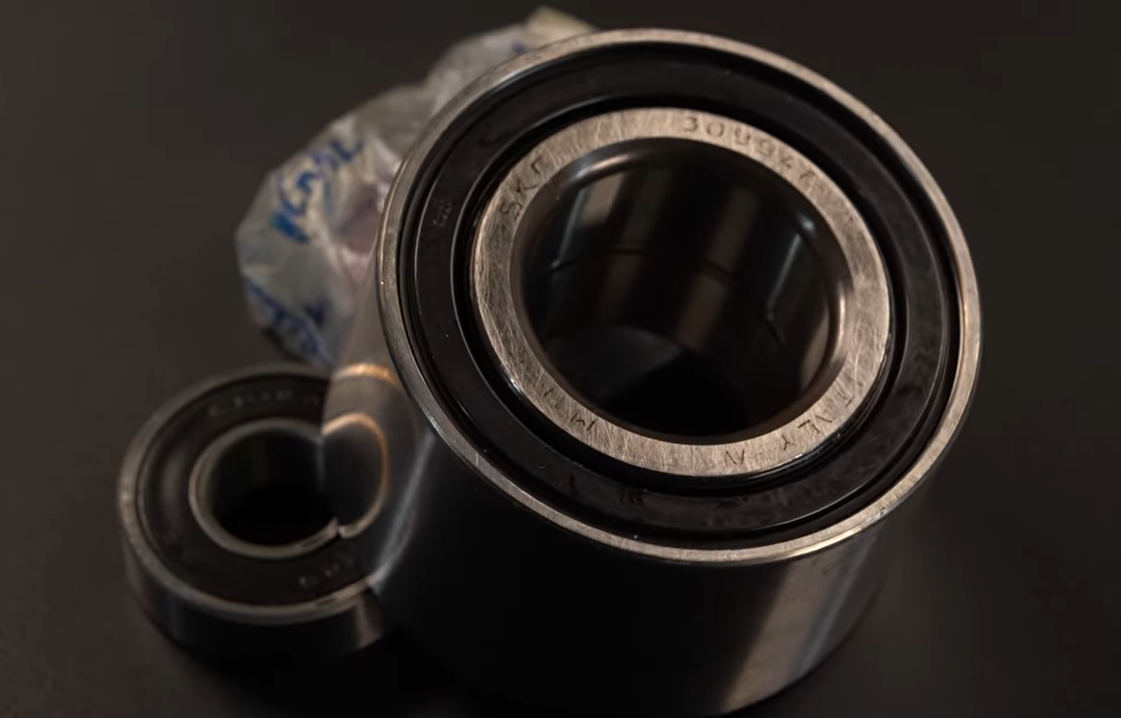
SKF is another premium brand that supplies bearings for many manufacturers worldwide. It is highly regarded for precision manufacturing, smooth operation, and OEM-style refinement.
Key strengths:
- OEM-grade engineering
- Strong sealing performance
- Consistent fitment
- Quiet operation
- Trusted global bearing reputation
SKF bearings are frequently chosen when maintaining factory-like driving characteristics is important. This is especially noticeable on quieter sedans and crossovers, where wheel bearing noise becomes more obvious inside the cabin.
One area where SKF consistently stands out is fitment accuracy. Modern vehicles often rely on integrated ABS sensors and precise hub tolerances, and poorly machined aftermarket hubs can create vibration, noise, or warning light issues immediately after installation. SKF tends to maintain very strong consistency in these areas.
Another advantage is refinement. Some bearings may technically function properly while still producing slight humming or vibration over time. SKF has built a strong reputation for smoothness and quieter operation, which can make a noticeable difference on long highway drives.
A potential downside is pricing, since SKF products are often priced similarly to other premium brands like Timken. In addition, certain specialty or lower-volume applications may have fewer immediately available options compared to mass-market budget brands. Still, for drivers prioritizing OEM-level feel, quietness, and long-term confidence, SKF remains one of the strongest choices available.
4. MOOG — Strong Suspension Integration
MOOG is well known for suspension components, but their hub assemblies are also widely used.
Key strengths:
- Good compatibility with suspension systems
- Widely available
- Reliable for standard driving
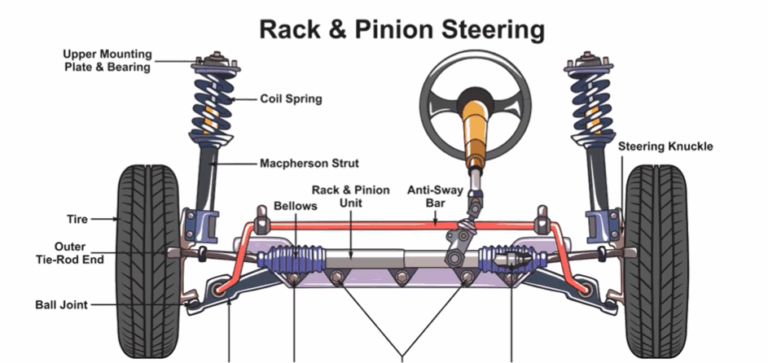
Because MOOG places a lot of emphasis on suspension components, their wheel bearings frequently work well with elements like steering knuckles and control arms, which can assist sustain system performance.
OEM vs Aftermarket Wheel Bearing Brands
OEM and aftermarket wheel bearing brands differ in cost, availability, and quality consistency.
OEM Brands
OEM wheel bearings are manufactured to factory specifications.
They typically offer:
- Direct fit
- Long lifespan
- Higher cost
OEM bearings are often chosen when maintaining factory-level reliability.
Aftermarket Brands
Aftermarket wheel bearings are produced by third-party manufacturers.
They typically offer:
- Wider price range
- More brand choices
- Varying quality levels
OEM parts are actually supplied by some aftermarket brands to specific manufacturers. We’ve observed cases when an aftermarket hub assembly precisely matched the original component in terms of hardware and sensor placement. Because of this, brand suggestions can differ based on whether you drive a Chevrolet SUV, Toyota sedan, or Ford truck.
Best Wheel Bearing Brands by Vehicle Make
Wheel bearing performance can vary depending on vehicle weight, suspension design, and hub configuration.
Ford Vehicles
Wheel bearings in Ford vehicles and SUVs are frequently subjected to greater strains, particularly while towing. We’ve found that when these vehicles are used for off-road driving or hauling, the bearings wear down more quickly. Selecting a long-lasting brand is crucial while maintaining these cars.
Toyota Vehicles
Many owners like manufacturers that meet OEM longevity because Toyota products are generally regarded for their long-term dependability. In reality, the quiet ride that Toyota cars are renowned for is frequently maintained by adding a higher-quality bearing.
Chevrolet Vehicles
Integrated hub assemblies are frequently used in Chevrolet automobiles. Fitment precision and ABS sensor quality are therefore crucial considerations when choosing a brand. ABS warning lights have been observed to appear right away following the installation of improperly aligned aftermarket hubs.
How to Choose the Right Brand
Choosing the right brand depends on budget, vehicle type, and expected ownership length.
Choose a premium brand if:
- You plan long-term ownership
- Labor costs are high
- The vehicle is difficult to service
Choose a best value brand if:
- The vehicle is a daily driver
- You want balanced cost and durability
Choose a mid-range brand if:
- Driving conditions are moderate
- Budget is limited but reliability still matters
This is crucial if the bearing is hard to reach because it would take twice as long to replace it later. This has been observed in cars where replacing the hub necessitates disconnecting suspension parts, which adds time to subsequent repairs.
Signs of a Low-Quality Wheel Bearing
Common signs of a low-quality wheel bearing include:
- Early humming noise
- Poor fitment
- ABS sensor issues
- Short lifespan
These symptoms frequently start to show up soon after installation. We’ve seen bearings with low sealing quality start to make noise after a few weeks.
FAQs
What is the best wheel bearing brand overall?
The best wheel bearing brand overall depends on budget, vehicle type, and how long you plan to keep the vehicle, but premium OEM-level brands typically offer the longest lifespan. Brands such as Timken and SKF are often chosen when maximum durability and fitment quality matter most. For many everyday drivers, a strong value-focused brand can still be the smarter choice if it offers dependable performance at a lower cost.
Are OEM wheel bearings better?
OEM wheel bearings are often better in terms of consistency, fitment accuracy, and long-term reliability because they are built to factory specifications. They are designed to match the vehicle’s original hub geometry, sensor placement, and load requirements. However, some reputable aftermarket brands can match or come close to OEM performance while costing less.
Do expensive wheel bearings last longer?
Expensive wheel bearings usually last longer because they often use better materials, tighter manufacturing tolerances, and stronger sealing designs. Improved sealing helps keep out moisture and debris, which are common causes of premature failure. While higher price does not guarantee perfection, premium bearings often reduce the chance of repeat repairs.
Should I replace both wheel bearings at the same time?
You should replace both wheel bearings at the same time if they have similar mileage, since the other side may fail soon after. Bearings on the left and right side usually experience similar age, road exposure, and wear cycles. Replacing both together can also save future labor costs and prevent having to schedule another repair shortly afterward.