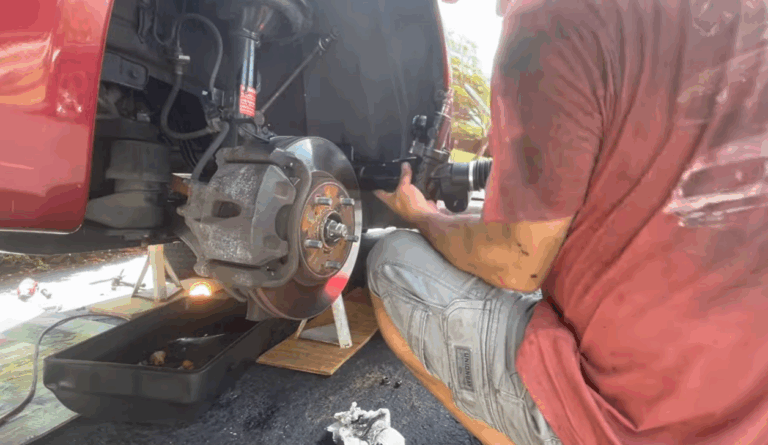
Replacing a rack and pinion typically takes 4 to 8 hours for a professional mechanic, while DIY jobs might take 6 to 12+ hours depending on experience and vehicle complexity. The precise time depends on accessibility, vehicle design, and whether additional repairs are required.
The precise time is determined by variables such as accessibility, vehicle design, and whether further repairs are required. Knowing the entire procedure for replacing a rack and pinion system is helpful if you’re considering this repair yourself.
Key Points to Review
- Most replacements take 4–8 hours at a shop
- DIY jobs can take 6–12+ hours (or a full weekend)
- Vehicle design and access are the biggest time factors
- Seized bolts and tight spaces cause most delays
Average Time to Replace a Rack and Pinion
Rack and pinion replacement usually takes 4 to 8 hours for a professional mechanic.
Typical time ranges:
- Compact/economy cars → 3 to 5 hours
- Sedans and SUVs → 5 to 7 hours
- AWD or luxury vehicles → 7 to 10+ hours
Estimates of labor time, or what stores charge, are frequently less than actual time. For instance, a task that is scheduled to take five hours can take longer if issues come up.
For example, on some vehicles with tight engine bays, the rack physically can’t slide out without lowering part of the subframe. I ran into this on a compact front-wheel-drive sedan where the rack was blocked by the subframe and exhaust routing, so the only way to remove it was to slightly drop the subframe. This adds time because suspension components such as control arm mounts and sway bar brackets must be loosened and realigned afterward, which turns what looks like a straightforward removal into a multi-step process.
Here is where the quoted times fall apart.
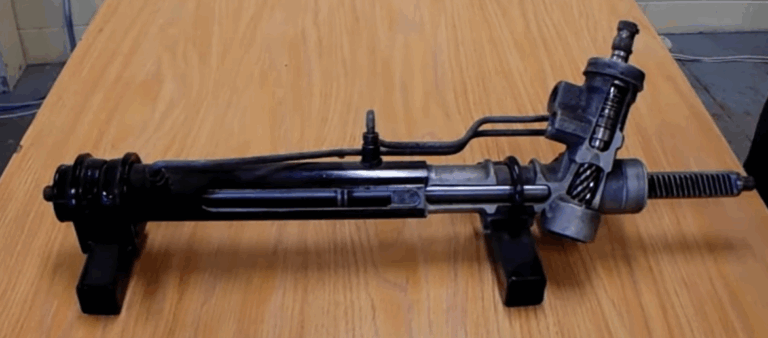
The rack itself almost never eats the clock. Access does. On a compact front-wheel-drive sedan where the rack sits behind the subframe and exhaust, the only way to get it out is to drop the subframe a few inches first. That adds two or three hours before you have even touched the rack.
Another common time sink is the steering shaft. If the tech forgets to mark its position before pulling the rack, the steering wheel ends up off-center on the test drive. Fix is to disconnect the shaft again, clock it one spline, and reinstall. Call it another hour gone.
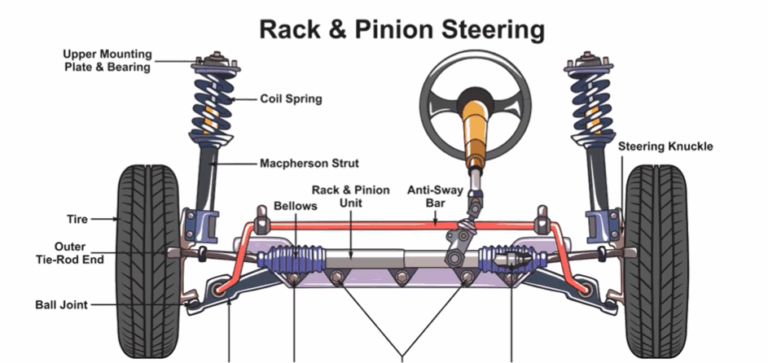
Sway bar brackets get us too. If the bar blocks rack removal, the brackets come off first, then go back in with the correct torque, and the whole thing gets realigned. None of this shows up in a factory labor guide. Torque specs for steering and suspension hardware tie back to engineering standards maintained by SAE International, which is why a rushed reassembly can create problems that do not show up until weeks later.
DIY vs Professional Time
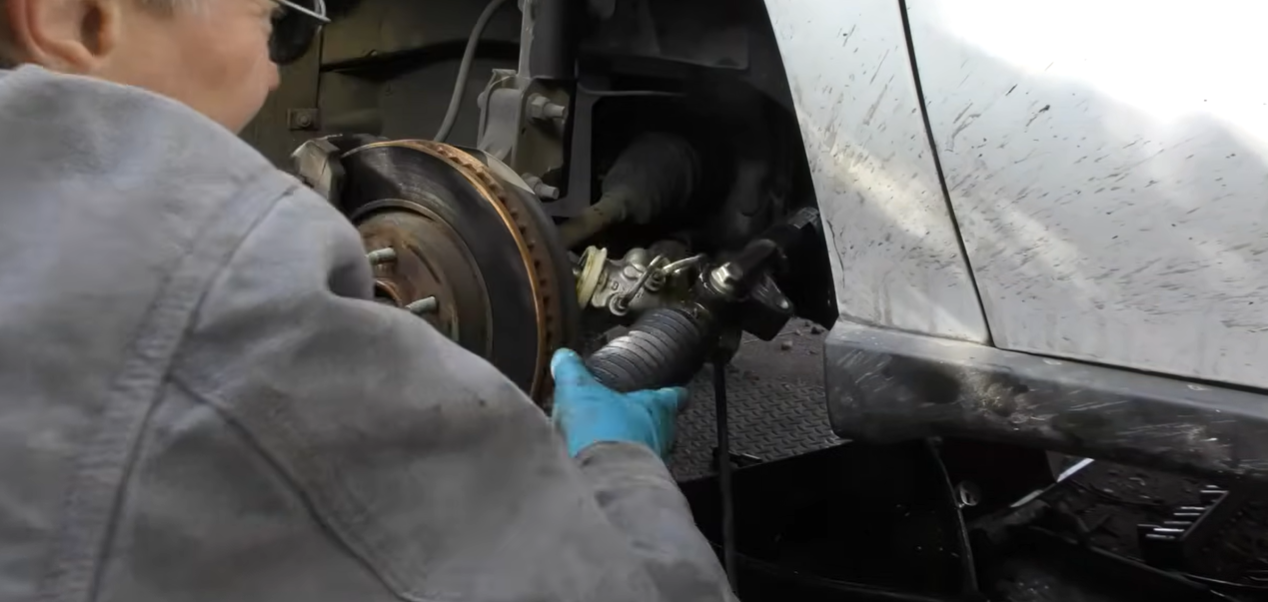
DIY rack replacement takes longer than other parts. Usually 6 to 12+ hours depending on experience while professional shops can do so in almost half the time.
Here’s how it typically breaks down:
- First-time DIYer → 8 to 12+ hours (often a full day or weekend)
- Intermediate DIYer → 6 to 8 hours
- Professional shop → 4 to 8 hours
For example, a first-time DIYer may spend extra time:
- Figuring out how to disconnect tie rods
- Dealing with stuck or rusted bolts
- Correcting alignment issues during reassembly
One common delay happens when the steering shaft isn’t marked before removal. We’ve seen this during rack replacements where the shaft was disconnected without noting its position, and after reinstalling the rack, the steering wheel ended up off-center during the test drive. Fixing it required disconnecting the shaft again and repositioning it, effectively repeating part of the job.
What Affects Replacement Time
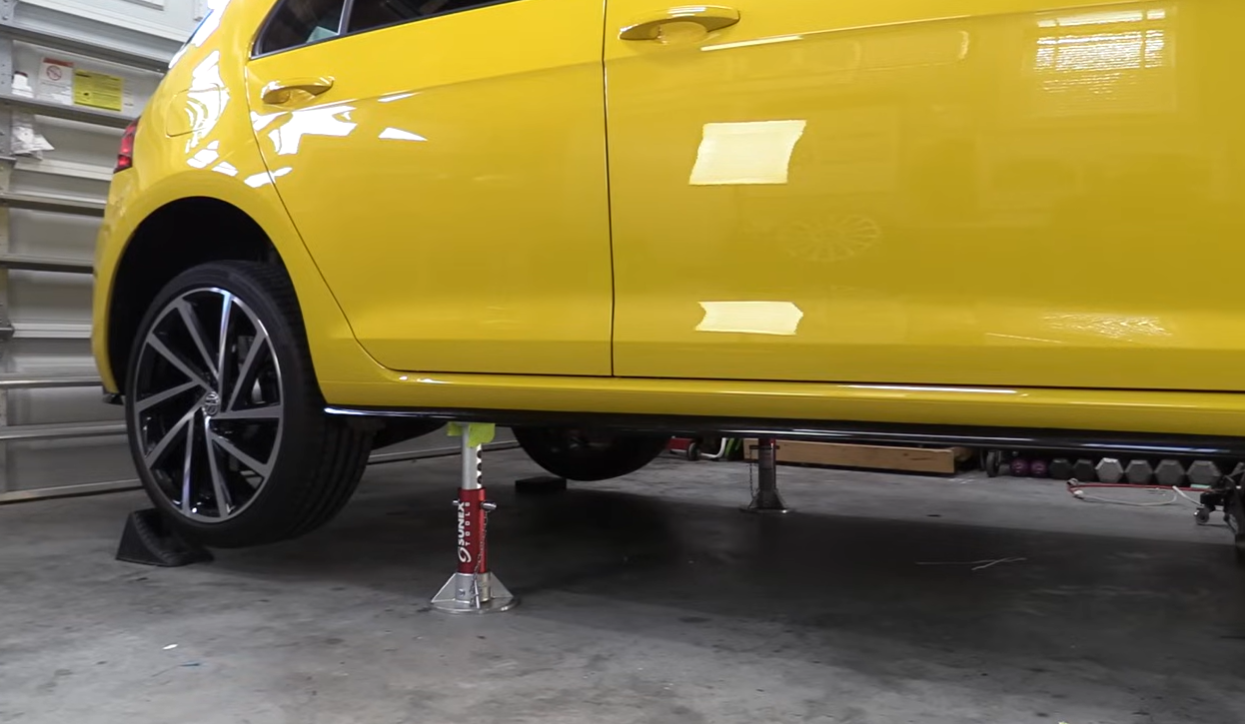
Rack replacement time depends on vehicle design, condition, and tool availability.
Key factors include:
- Limited access to the rack
To reach the rack in some vehicles, parts must be removed or the subframe must be lowered. - Rusted or seized bolts
Bolts on older cars are frequently difficult to remove, which takes a long time. - Hydraulic vs electric systems
Electric systems require wiring connections, whereas hydraulic systems need fluid draining and bleeding. - Tool availability
Hours of labor can be saved by using the right tools, such as a tie rod puller.
The biggest delays usually come from access issues rather than the rack itself. In many front-wheel-drive vehicles, the rack has to be rotated and maneuvered around exhaust components or crossmembers before it can be removed. You may have encountered this on a vehicle where the rack cleared all mounting bolts easily but wouldn’t come out because the exhaust pipe blocked the path, so it had to be carefully angled and shifted. This takes significantly longer than disconnecting the steering components.
Additional Time for Related Repairs
Additional repairs can add 1 to 3+ hours to the total replacement time. Many of those add-ons, including tie rods, hoses, and alignment, are flagged by the Car Care Council’s maintenance guide as steering-system items that should be inspected together rather than one at a time.
Common add-ons include:
- Tie rod replacement
Often replaced alongside the rack if worn.
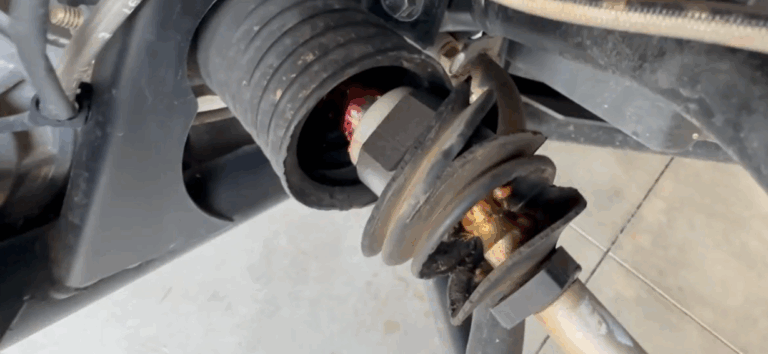
This often happens because worn inner tie rods are only visible after the rack is removed, so replacing them during the same repair prevents doing the labor twice later. - Power steering fluid flush and bleeding
Required for hydraulic systems - Power steering pump or hose repairs
If leaks or damage are present - Wheel alignment
Adds about 30 minutes to 1 hour
For example, it is typical to replace worn tie rods at the same time if they are found during the repair, but this adds to the overall work time.
Knowing how long you can drive on a defective rack and pinion before a replacement becomes necessary is especially important if the rack has already failed.
When It Takes Longer Than Expected
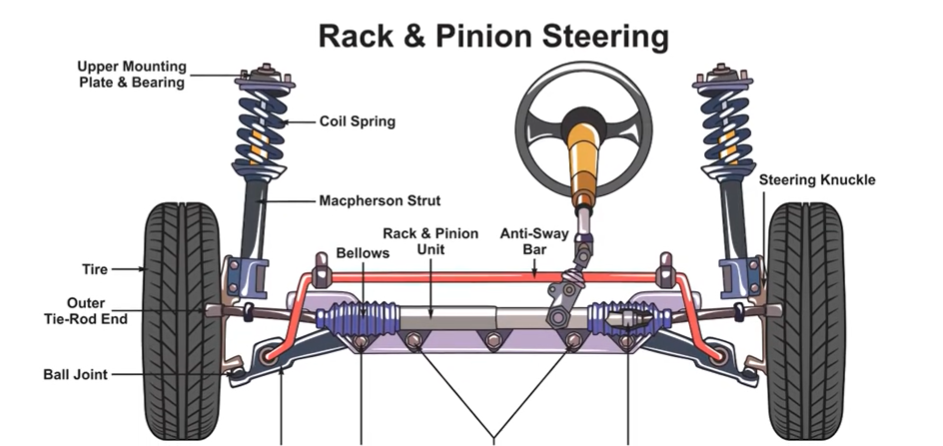
Rack replacement can take longer than 8 hours when complications occur.
Common causes of delays:
- Broken or stripped bolts
- Difficulty separating tie rods
- Misalignment during installation
- Reinstalling components incorrectly and needing rework
A frequent delay happens when the rack won’t clear surrounding components during removal. In one situation, the rack was blocked by the sway bar, so the sway bar brackets had to be removed first before the rack could slide out. Removing and reinstalling these parts adds extra alignment and torque steps, which increases total labor time.
FAQs
Can a rack and pinion be replaced in one day?
Rack and pinion replacement can usually be completed in one day. While DIY replacements could take a full day or more, the majority of repair firms complete the task in a matter of hours.
Why does rack replacement take so long?
Rack replacement takes a lot of time because multiple steering and suspension components must be removed and reinstalled. The most frequent causes of delays are restricted access and seized fasteners.
Does alignment add extra time?
A wheel alignment adds extra time after rack replacement, usually 30 minutes to 1 hour. To guarantee correct steering and avoid uneven tire wear, this step is necessary.
Is rack replacement faster on some cars?
Rack replacement is faster on vehicles with simpler layouts and better access to the steering rack. AWD or premium cars are slower than compact cars.