You can drive with a bad rack and pinion for a short period (sometimes a few hours to a few weeks), but it’s not recommended because steering control can quickly become unsafe.
Driving with a failing rack and pinion affects steering precision and overall vehicle safety. While early symptoms may seem minor, ignoring them can lead to worsening handling and, in some cases, sudden loss of steering assist.
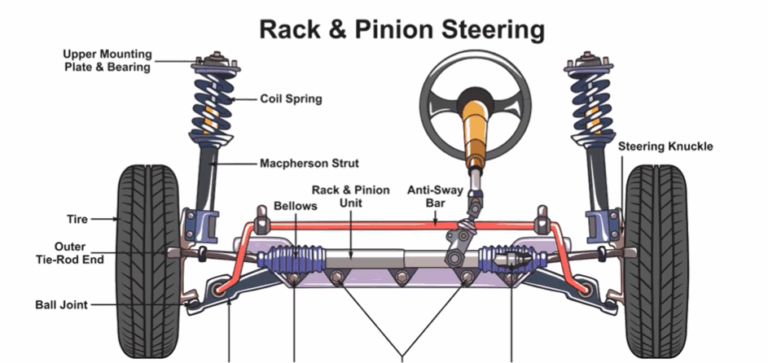
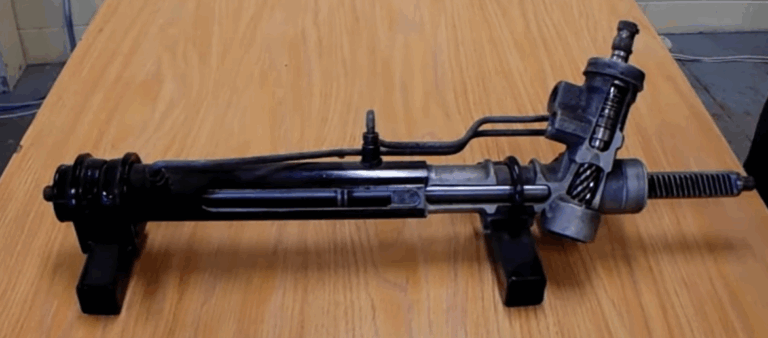
Any internal wear or fluid loss can progressively decrease steering precision because the rack and pinion system directly controls the direction of the front wheels. If you’re unfamiliar with the component itself, it may help to first understand what a rack and pinion system is and how it works.
Key Points to Review
In this guide you’ll learn:
- How long you can drive with a failing rack
- Symptoms of rack and pinion failure
- Safety risks of delaying repair
- When replacement becomes necessary
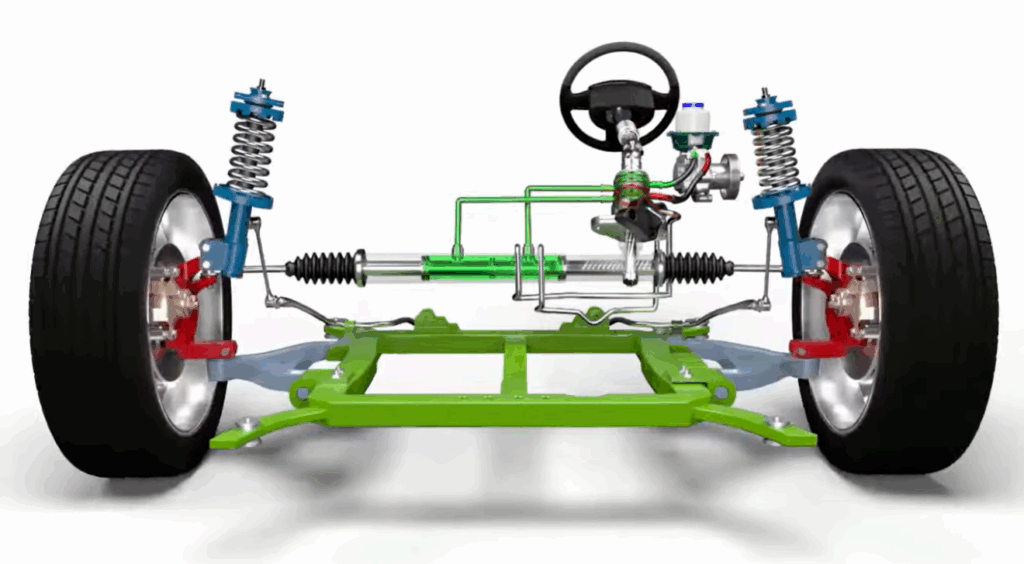
Are There Warning Signs Before a Rack and Pinion Fails?
A failing rack and pinion almost always shows warning signs before complete failure. Steering system defects are a recurring theme in NHTSA’s recalls database, which is why those early warning signs deserve real attention rather than a wait-and-see approach.
Common symptoms include:
- Steering looseness or excessive play in the steering wheel
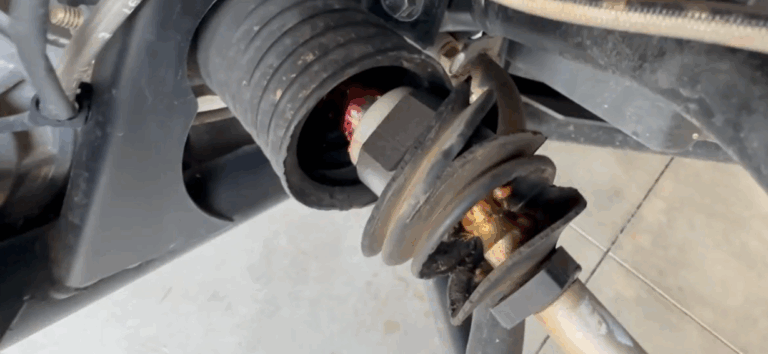
- Power steering fluid leaks near the steering rack
- Clunking or knocking sounds when turning the steering wheel
- Uneven tire wear caused by inconsistent steering alignment
For instance, worn internal rack gears can make the steering feel ‘loose’ or disconnected, especially at highway speeds. Similarly, a small fluid leak may not seem urgent at first, but it slowly reduces hydraulic pressure and steering assist.
It helps to determine whether rack and pinion replacement is worth it before the problem worsens knowing the symptoms to look for.
How Long You Can Safely Drive
You can sometimes drive for days or even weeks with a bad rack and pinion, but only if symptoms are minor, and even then, it’s risky.
For example:
- Minor fluid leak or slight looseness → May last days to weeks
- Moderate symptoms (noise, reduced assist) → Only safe for short trips
- Severe issues (stiff or unpredictable steering) → Not safe to drive
Sometimes, drivers continue using their vehicle for weeks after noticing early symptoms. However, the condition almost always worsens over time.
As internal components wear or hydraulic pressure drops:
- Steering becomes heavier
- Response becomes inconsistent
- Control becomes less predictable
In real driving scenarios, many people report that once steering starts feeling inconsistent (tight in one direction, loose in another), failure accelerates quickly, sometimes within days rather than months.
If steering becomes difficult, inconsistent, or unpredictable, the vehicle should be inspected immediately. For cases where the car becomes unsafe to keep driving, AAA’s roadside assistance guidance covers how to handle a breakdown safely instead of pushing the vehicle further.
The honest answer: four to six weeks of short daily driving is usually survivable on a leaking rack, as long as you check fluid levels weekly and top up as needed. Once fluid runs low enough that the pump whines or steering stiffens intermittently, you are on borrowed time. Catastrophic failure at highway speed is rare but real, and the cost of a crash dwarfs any savings from delaying the repair.
Risks of Delaying Repair
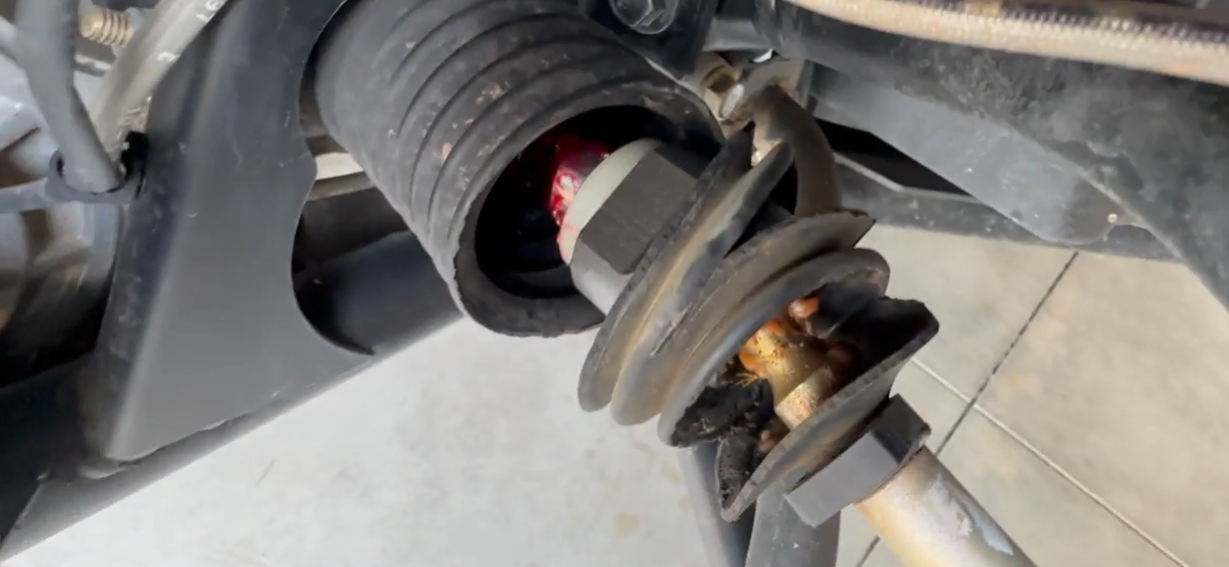
Ignoring a malfunctioning rack and pinion system might result in more mechanical issues and more expensive repairs.
Common risks include:
- Complete loss of power steering assist, making the vehicle difficult to steer
- Accelerated tire wear caused by poor alignment and steering instability
- Damage to tie rods and other steering components connected to the rack
For instance, the steering pump may sustain harm from operating without adequate lubrication if a leaking rack causes the power steering system to lose fluid.
From experience, many drivers who delay repairs end up replacing not just the rack, but also:
- Power steering pump
- Tie rods
- Hoses
What starts as a manageable issue often becomes a full steering system overhaul.
If the rack eventually requires replacement, you’ll need to review the typical rack and pinion replacement cost so you understand the potential repair expenses.
When You Should Stop Driving
You should stop driving immediately if steering becomes stiff, unpredictable, or if fluid is leaking rapidly.
You should avoid driving the vehicle if:
- The steering becomes very difficult or stiff
- Power steering fluid leaks rapidly from the rack
- The steering wheel does not return to center after turning
Steering response becomes unpredictable or inconsistent
These signs could point to a loss of hydraulic steering assistance or significant internal wear. When this occurs, fixing the system before continuing to drive the car is the safest course of action.
You can always review the process involved in replacing a rack and pinion system if you’re considering handling the repair yourself
FAQs
Can a rack and pinion fail suddenly?
Rack and pinion systems usually fail gradually, but sudden failure can happen in severe cases. Most systems show warning signs like leaks or looseness first, but major seal failure or internal breakage can cause rapid steering loss.
Is it dangerous to drive with a bad rack and pinion?
Driving with a bad rack and pinion is dangerous because it reduces steering control and responsiveness. As the condition worsens, it can lead to heavy steering, poor handling, or loss of power assist.
Will adding power steering fluid fix a leaking rack and pinion?
Adding power steering fluid will not fix a leaking rack and pinion. It only provides a temporary improvement. If the internal seals are worn, the leak will continue until the rack is repaired or replaced.
Can a worn rack and pinion damage tires?
A worn rack and pinion can damage tires by causing uneven alignment and inconsistent steering angles. Over time, this leads to uneven tire wear and reduced tire lifespan.