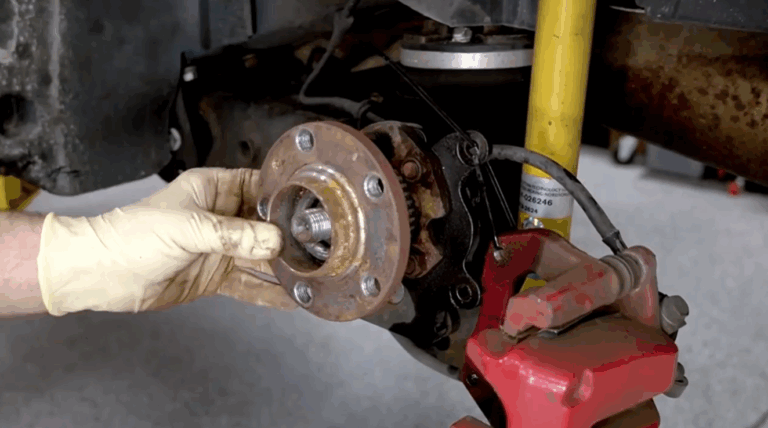
How long you can drive on a bad wheel bearing depends on how far the damage has progressed. Once significant noise starts, don’t go more than a few days without fixing it.
Short travels might be possible with mild humming. If there is grinding, vibration, or unsteady steering, the car needs to be fixed right away.
Here’s what truly occurs when a damaged wheel bearing worsens.
How Long Will a Wheel Bearing Last Once It Starts Making Noise?
A wheel bearing that is generating noise has already started to deteriorate and may only last a few hundred to a few thousand miles, depending on how severe the internal wear is and how the car is driven. Noise means the inside is already deteriorating. It only gets worse from there.
Typical progression:
- Early humming stage: May last a few hundred miles
- Growling stage: Can worsen within days or weeks
- Grinding stage: Failure can happen at any time
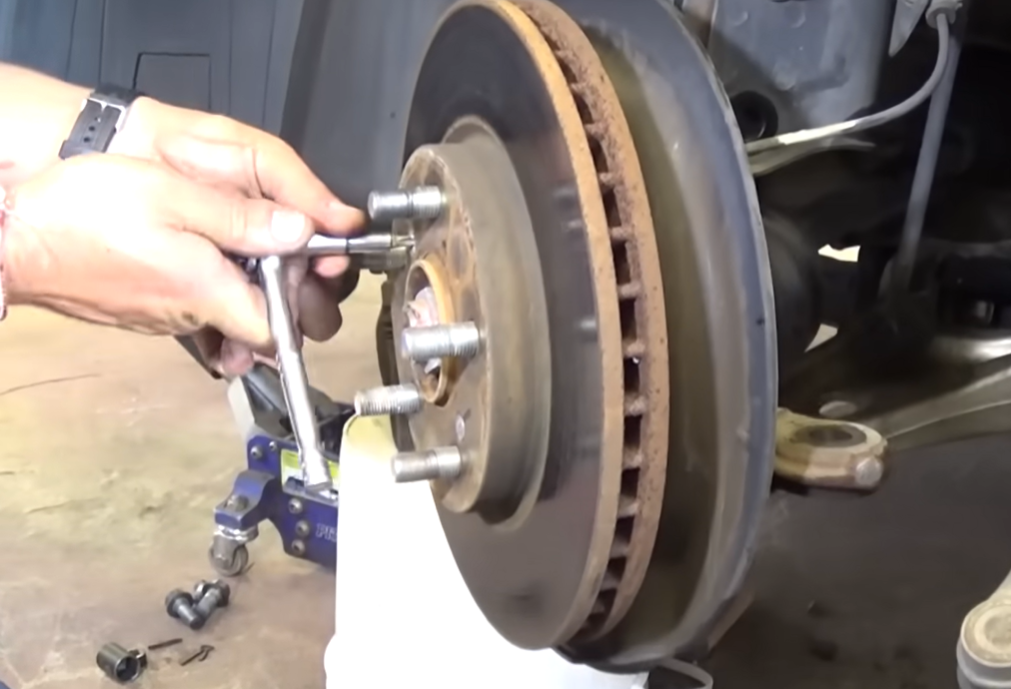
The timeline is unpredictable. Most drivers report the noise sounding stable for weeks, then suddenly getting much louder on a single drive. Heat buildup accelerates internal damage fast.
The countdown is unpredictable. Replacement should be scheduled as soon as the noise begins.
What Happens If You Keep Driving With a Bad Wheel Bearing?
Driving on a bad bearing damages everything around it. What starts as a $300–$800 bearing replacement can turn into a $1,000+ job once the hub, rotor, or knuckle gets involved.
Possible consequences:
- Hub damage
- ABS sensor failure
- Uneven tire wear
- Brake rotor damage
- Steering instability
If surrounding components are damaged, the cost of repair might rise from $300 to $800 per wheel to more than $1,000.
The bearing may seize or separate in severe circumstances. Bearing separation is the kind of failure NHTSA’s recalls database has documented across several makes, which is why mechanics treat loud grinding as a do-not-drive issue.
Before deciding whether it’s safe to drive, it’s important to recognize the early warning signs of a failing wheel bearing. Check out our detailed guide on signs of a bad wheel bearingto learn how to identify noise, vibration, and other symptoms before they become serious.
What Noise Does a Wheel Bearing Make When It’s Going Out?
A failing wheel bearing typically makes:
- Low humming at highway speed
- Growling that increases with speed
- Noise that changes when turning
- Grinding in severe cases
The key detail: vehicle speed drives the noise, not throttle input. Rev the engine in park and the sound stays flat. Get rolling at 50 mph and it gets louder.
The bearing is on the verge of failure if the noise starts to sound metallic or scraping.
Is There a Temporary Fix for a Bad Wheel Bearing?
No. There isn’t a dependable short-term solution. Sealed wheel bearings in most modern cars cannot be repacked, adjusted, or patched once they start failing.
Temporary “fixes” like:
- Adding grease
- Tightening components
- Ignoring the noise
None of those address internal bearing damage.
The safest course of action is replacement.
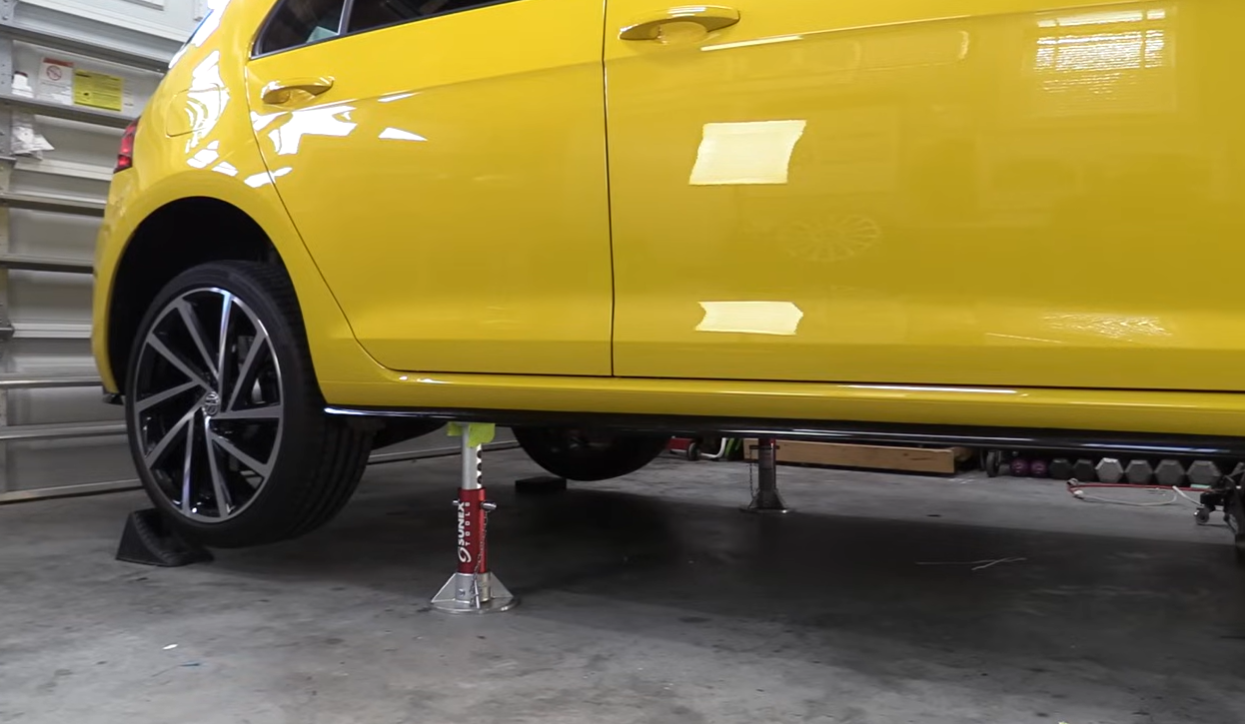
Will My Tire Fall Off With a Bad Wheel Bearing?
When a wheel bearing begins to fail, a tire won’t come off right away. Although the wheel is still secure, a damaged bearing may initially produce noise, vibration, or slight steering problems. Those early symptoms often show up alongside uneven tire wear, which AAA’s tire safety and maintenance guide flags as a classic sign of suspension and wheel-end wear.
Wheel separation may result from advanced bearing failure, though, if internal parts degenerate to the point where the hub or knuckle is weakened. For this reason, it’s critical to take quick care of a loud or damaged bearing to prevent major safety hazards.
A severely worn wheel bearing can cause:
- Excess wheel play
- Wobbling
- Hub separation
Complete bearing failure is uncommon, although it might cause the wheel to separate from the vehicle.
Grinding noise should never be disregarded because of this.
FAQs
How long can you drive on a bad wheel bearing?
You should not drive more than a few days on a bad wheel bearing once noticeable noise begins, and grinding or vibration requires immediate repair. While a faint humming sound may allow for very short-term driving, continuing to operate the vehicle increases the risk of further damage and safety issues.
Long-term driving on a deteriorating wheel bearing can further harm the axle, suspension, wheel hub, and hub assembly, and may also cause ABS sensor issues and uneven tire wear, necessitating more costly repairs. In extreme circumstances, wheel instability or even wheel separation may result from high bearing wear.
A wheel bearing may last a few hundred miles once it starts making noise in the early stages, but failure can accelerate quickly and without warning. The lifespan after noise begins depends on how severe the internal wear is, how the vehicle is driven, vehicle weight, road conditions, driving speed, and exposure to water or debris.
Since the lifespan of a loud wheel bearing cannot be accurately predicted, it is best to arrange for an inspection and replacement as soon as symptoms arise in order to prevent further damage, safety hazards, or an unexpected breakdown. It is dangerous to drive on uneven roads or at higher speeds when a wheel bearing is failing, so it’s critical to have any wheel bearings exhibiting noise, grinding, or vibration examined and changed right away for the safety of both you and your car.
Can I Drive 3 Hours With a Bad Wheel Bearing?
Even if the symptoms appear to be slight, it is not advisable to drive for three hours while suffering from a poor wheel bearing. A quick trip might be feasible if the bearing is only slightly humming and there is no steering pull, vibration, grinding sound, or burning or heat odor. Long periods of driving, however, greatly increase the amount of heat that accumulates inside the bearing, which can quickly exacerbate internal damage.
Overheating, hub failure, or loss of wheel stability may result from a three-hour drive if the noise is loud, grinding, or accompanied by vibration. Long highway drives are particularly dangerous because high speeds produce more heat, which speeds up bearing degeneration and raises the possibility of a major mechanical breakdown.
Once you’ve decided to replace it, the job typically takes 1–3 hours per wheel at a shop, depending on whether your vehicle uses a bolt-on hub assembly or a pressed-in bearing.