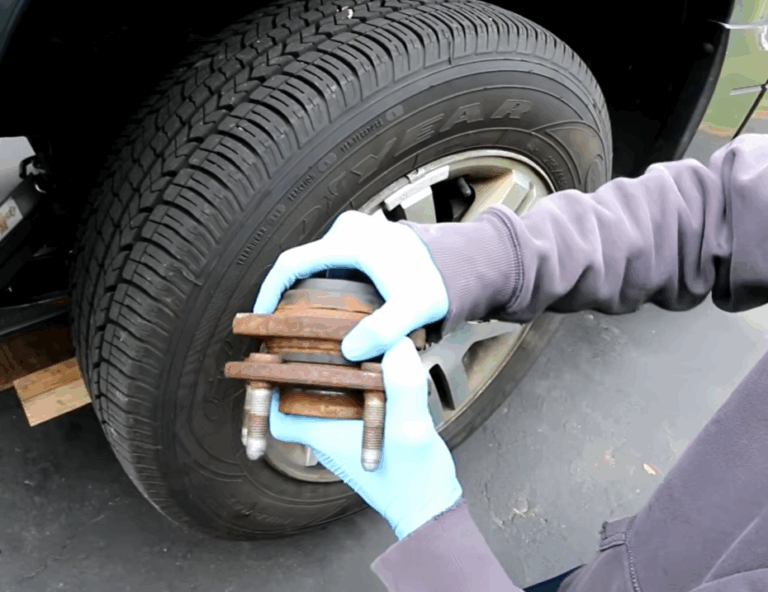
It is rare for a faulty wheel bearing to fail suddenly. They usually exhibit obvious symptoms, particularly through vibration and noise, unless impacted an accident or collision.
The difficulty is that a lot of drivers confuse those indicators for alignment, brake, or tire noise problems. Learn about the warning signs so you can get a replacement wheel bearing or go to a shop to get it fixed.
1. Humming or Roaring That Gets Louder With Speed
A loud humming or roaring sound is the most typical sign of a damaged wheel bearing.
How does the sound of a faulty wheel bearing sound?
Drivers describe it as:
- A distant helicopter sound
- Aggressive tire noise
- A snarling hum
- A continuous drone that gets faster
The key detail:
Not engine RPM, but vehicle speed causes the sound to intensify.
It’s probably a wheel-related problem if the noise increases between 40 and 60 mph yet remains the same while the engine is revved in park.
2. Noise Changes When Turning
Among the most trustworthy diagnostic hints is this one.
The right wheel bearing is usually failing if the sound becomes stronger when turning left.
The left side is usually the problem if the noise increases when turning right.
Why?
The weight of the car is transferred to the outside wheel during turning, which puts more strain on the worn bearing.
Mechanics use this test because it identifies the bad side without raising the car.
3. Grinding Sound (Advanced Stage)
The bearing damage has gotten severe if the humming turns into grinding.
Typically, grinding means:
- The internal rollers are worn out.
- The lubricant has degraded.
- There is metal-on-metal contact.
Repair should not be postponed at this point.
If surrounding components are damaged, neglecting grinding can raise repair prices from about $300 to $600 for a hub replacement to more than $800. Bearing and hub failures have also appeared in recalls catalogued by NHTSA’s recalls database, which is why mechanics treat persistent grinding as a do-not-defer issue.
4. Steering Wheel Vibration
At high speeds, a poor wheel bearing may result in:
- Mild steering vibration
- A slight wobbling feeling
- Feeling of loose steering
Important distinction:
Warped rotors are more likely to be the cause of vibration if it only occurs during braking.
When driving, rather than merely when braking, wheel bearing vibration usually doesn’t change.
5. Wheel Play or Looseness
The wheel may exhibit visible play when a bearing is substantially worn.
Gripping the tire at the 12 and 6 o’clock locations, if it is raised off the ground, may reveal movement or clunking.
Noise and play together, however, are a more powerful indicator than movement alone because suspension parts like ball joints can also produce movement. AAA’s tire safety and maintenance guide also points to alignment and suspension issues as leading causes of uneven tread wear, which is often the first visible clue before the bearing itself starts making noise.
6. ABS or Traction Control Warning Light
Wheel hub bearing assemblies with integrated ABS sensors are seen in the majority of contemporary automobiles.
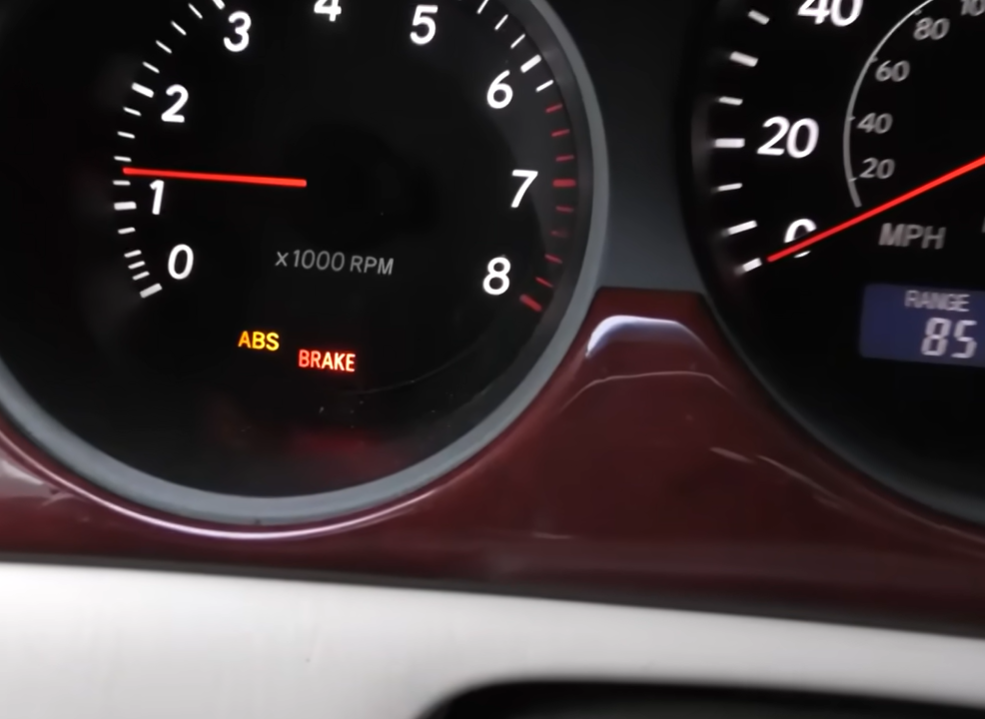
The ABS sensor signal could become erratic if the bearing deteriorates:
- The ABS sensor signal may become inconsistent
- The ABS light may illuminate
- Traction control warnings may appear
The hub assembly has to be examined if you are experiencing both wheel noise and an ABS light simultaneously.
What Can Be Mistaken for a Bad Wheel Bearing?
Four things produce sounds nearly identical to a bad wheel bearing: cupped tires, worn CV axles, differential problems, and brake dust shields rubbing rotors. All of them create the same humming, grinding, or rumbling that increases with speed, which is exactly why misdiagnosis is so common on this one.
Rotating your tires is an easy approach to help rule out noise caused by your tires. It’s more probable a tire problem than a wheel bearing problem if the noise moves with the tires.
This is where many drivers misdiagnose the issue. Most mechanics and car pros know the issue is more tire-related than due to damaged wheel bearing if the sound changes or goes away after turning the tires.
However, a professional inspection is advised for issues relating to the hub, differential, or CV axle.
Early detection of a failing wheel bearing guarantees safe handling, braking, and vehicle stability, and a correct diagnosis is crucial because replacing the incorrect part costs time and money.
Do Wheel Bearings Usually Give Warning Before They Fail?
Nearly always.
The majority of bearings gradually fail:
Stage 1: Light humming
Stage 2: Louder growling
Stage 3: Wheel play and vibration
Stage 4: Grinding and safety risk
Unless there was a significant impact on the car, such as a severe pothole or curb collision, sudden catastrophic failure is uncommon.
Can I Drive With a Bad Wheel Bearing?
The degree of severity determines this.
A slight humming indicates that you should be ready to arrange for service. Any looseness or loud grinding should be fixed right away.
Driving too long on a failing bearing can:
- Damage the hub
- Damage the axle
- impact the stability of the brakes
As you can see from the previous 3 points, if you don’t fix your wheel bearings right away then other parts of your car may be damaged. The price to replace a wheel bearing isn’t cheap, but the price of not fixing one on time can be a LOT more.
When to Replace Your Wheel Hub Assembly
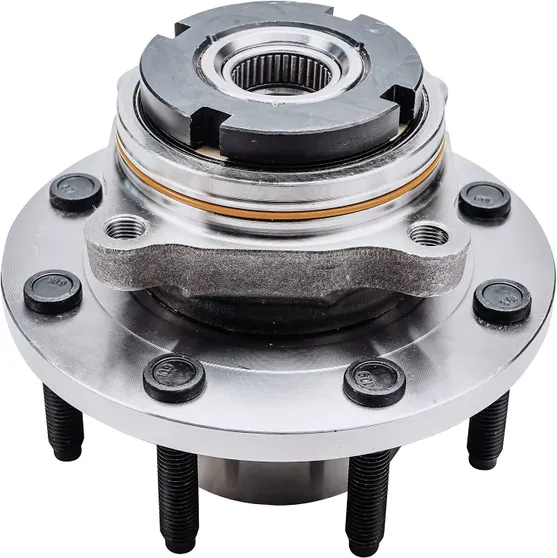
Modern cars usually need to have the entire hub assembly replaced if an inspection reveals a faulty wheel bearing.
Selecting a top-notch hub assembly guarantees appropriate ABS operation and lowers early failure.
Shop Best Prices on Wheel Hub Bearing Assemblies
You can browse front and rear assemblies based on your vehicle make and model.
FAQs
What are signs of a bad wheel bearing?
Signs of a bad wheel bearing include wheel looseness, a grinding or rumbling noise, vibration through the steering wheel, and a humming sound that increases with vehicle speed. In some cases, the ABS warning light may also illuminate if the bearing affects the sensor. Early symptoms are usually mild, like a faint hum at highway speeds that gets louder as the bearing wears down.
How do I know if a wheel bearing is bad?
You can often tell a wheel bearing is bad if the noise it makes gets louder as your vehicle speed increases and changes when you turn left or right. Another reliable indicator is wheel play: when the vehicle is raised and you try to rock the wheel back and forth, excessive movement can signal a worn bearing. Additional indicators include vibration through the floorboard or steering wheel, humming, grinding, or rumbling sounds, and occasionally an activated ABS warning light if the bearing interferes with the sensor.
What does a bad wheel bearing sound like?
A bad wheel bearing usually sounds like a humming or roaring noise at first, especially noticeable at higher speeds. As the bearing deteriorates, the sound can progress into grinding, growling, or rumbling, becoming more pronounced and constant. Depending on which bearing is failing, the noise may also shift as the car rotates, becoming louder on left or right turns. In more severe situations, you may experience vibration through the seat, floorboard, or steering wheel.
If any of these signs are present, schedule a replacement promptly. At a shop, replacing a wheel bearing typically takes 1–3 hours — so it’s a same-day repair in most cases.