Wheel hub and wheel bearing are two phrases that many drivers encounter while looking into suspension or wheel repairs. They are easily confused because they are closely related, frequently replaced together, and occasionally even offered as a single item.
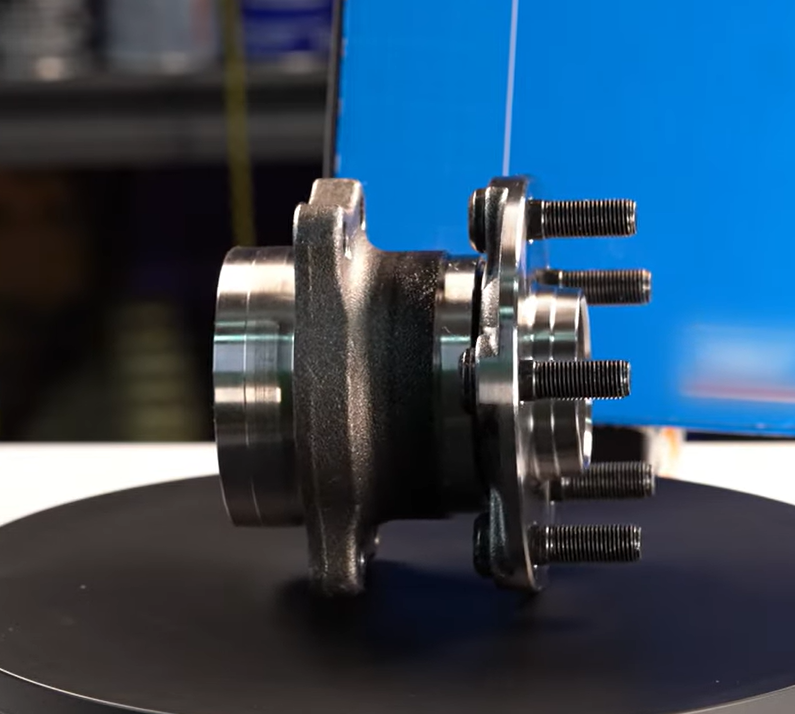
It’s important to recognize the differences. You can estimate repair costs, labor time, and whether you require a press or a straightforward bolt-on replacement by knowing which part your car utilizes.
Key Points to Review:
- The basic function of a wheel bearing
- What a wheel hub assembly includes
- The key differences between the two
- How to tell which system your vehicle uses
- When you should replace a bearing vs. a full hub assembly
Let’s break it down clearly.
What Is a Wheel Bearing?
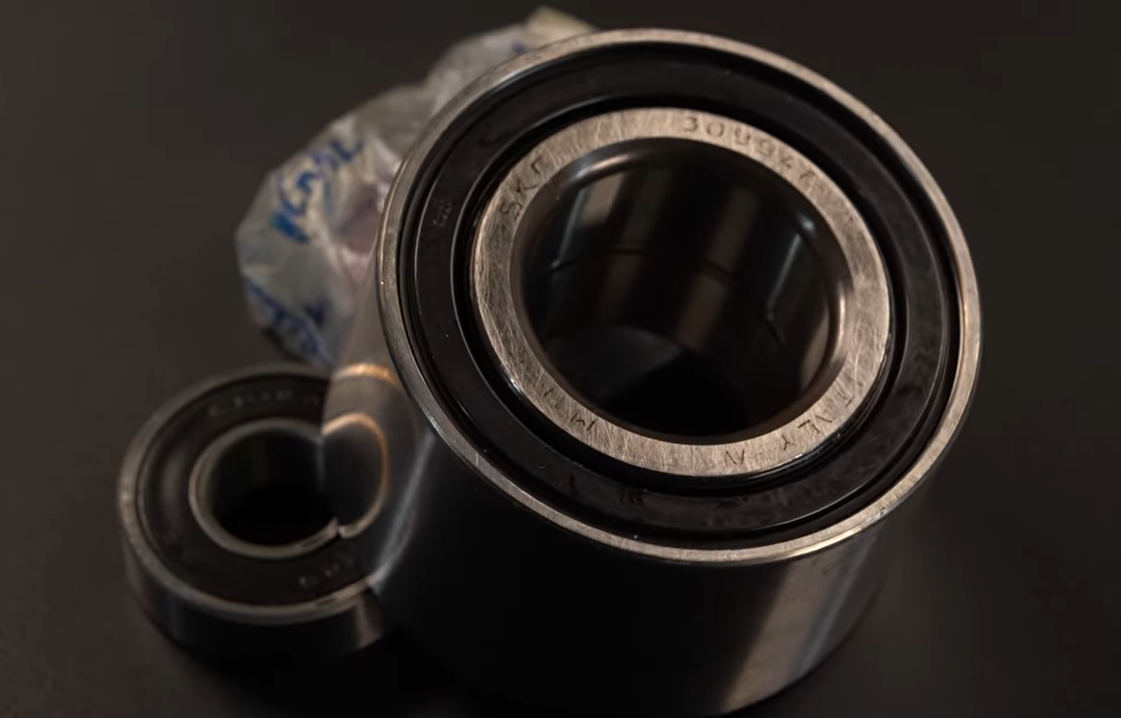
A wheel bearing is a precisely designed part that supports the weight of your car while enabling smooth wheel rotation. It guarantees steady rotation at highway speeds, lessens friction between the wheel and axle, and is essential for preserving correct wheel alignment and load distribution— in simple terms, what a wheel bearing does is manage both rotational movement and vehicle weight while minimizing heat and wear.
What It Does
The wheel bearing:
- Allows the wheel to rotate smoothly
- Supports vehicle weight
- Handles cornering and load stress
- Reduces friction and heat buildup
Where It Sits
The axle or steering knuckle and the wheel hub are separated by the wheel bearing. Depending on the design of the car, it either presses into the knuckle or resides inside the hub assembly.
How It Works (Basic Overview)
Hardened steel balls or rollers enclosed in metal rings known as races are found inside the bearing. These parts maintain the wheel’s correct alignment while enabling regulated rotation.
If you’re thinking about replacing a wheel bearing, have a look at our comprehensive guide to learn what to do.
What It Includes
Unlike standalone bearings used in older vehicles, most modern hub assemblies are pre-assembled at the factory. This design improves reliability and simplifies installation.
Bolt-On vs. Press-In Designs
There are two common setups:
Bolt-On Hub Assembly (Modern Design):
- Entire unit bolts directly to the steering knuckle
- No press required
- Faster installation
- Common in modern sedans, SUVs, and crossovers
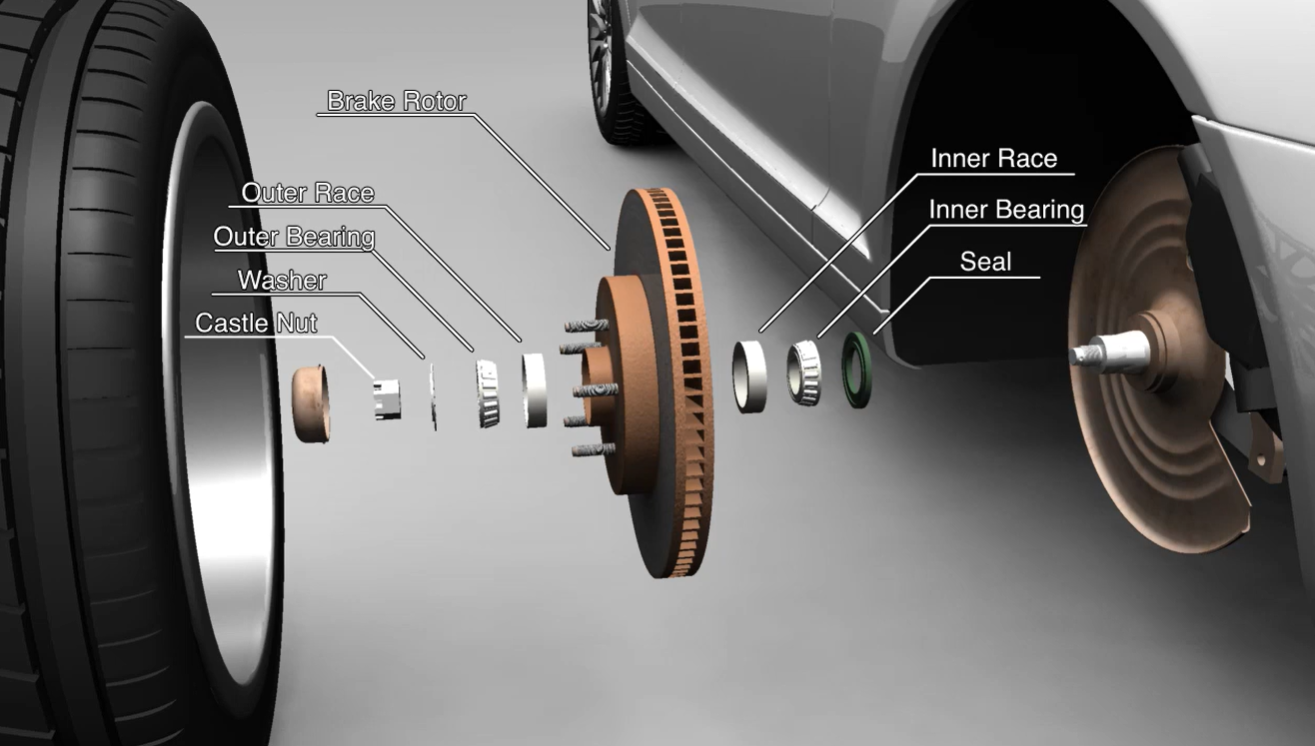
Press-In Bearing (Older Design):
- Bearing must be pressed into the knuckle using a hydraulic press
- Hub is installed separately
- More labor-intensive
Modern hub assemblies are generally easier to replace because the bearing, hub, and often the ABS sensor are pre-assembled into a single bolt-on unit. This simplifies installation and reduces labor time, but it can cost more upfront since you are replacing the entire assembly instead of just the bearing.
Key Differences Between a Wheel Hub and Wheel Bearing
Here’s how they compare side by side:
1. Structure
- Wheel Bearing: Internal rotating component
- Wheel Hub Assembly: External mounting item, which could contain the ABS sensor and bearing
2. Replacement Process
- Bearings often require removal with a hydraulic press
- Hub assemblies are usually bolt-on replacements
Knowing how to remove a wheel bearing without a press might help you distinguish between press-in and bolt-on designs if you’re not sure which system your car utilizes.
3. Cost
- Standalone bearings are typically less expensive as parts
- Hub assemblies cost more but may reduce labor time
4. Labor Time
- Press-in bearing replacements take longer
- Bolt-on hub assemblies are generally quicker to install
Which One Does Your Vehicle Have?
While many older cars, particularly those from the 1990s and early 2000s, use serviceable press-in wheel bearings, the majority of cars manufactured in the previous ten to fifteen years use bolt-on wheel hub assemblies.
The age, drivetrain, and manufacturer of your car will determine the response.
Older Vehicles (1990s–Early 2000s)
Serviceable press-in bearings are used in a lot of vintage cars.
Examples include:
- Older compact sedans from the 1990s
- Early 2000s economy cars
- Some rear-wheel-drive trucks with serviceable front or rear bearings
To remove and install these systems, a press is needed.
Modern Vehicles (2010 and Newer)
Most modern vehicles use complete bolt-on hub assemblies.
Common in:
- Front-wheel-drive sedans
- Crossovers
- Mid-size SUVs
- Many modern pickup trucks
These pre-assembled pieces are made for better sealing against contamination and quicker replacement.
FWD vs. RWD Setups
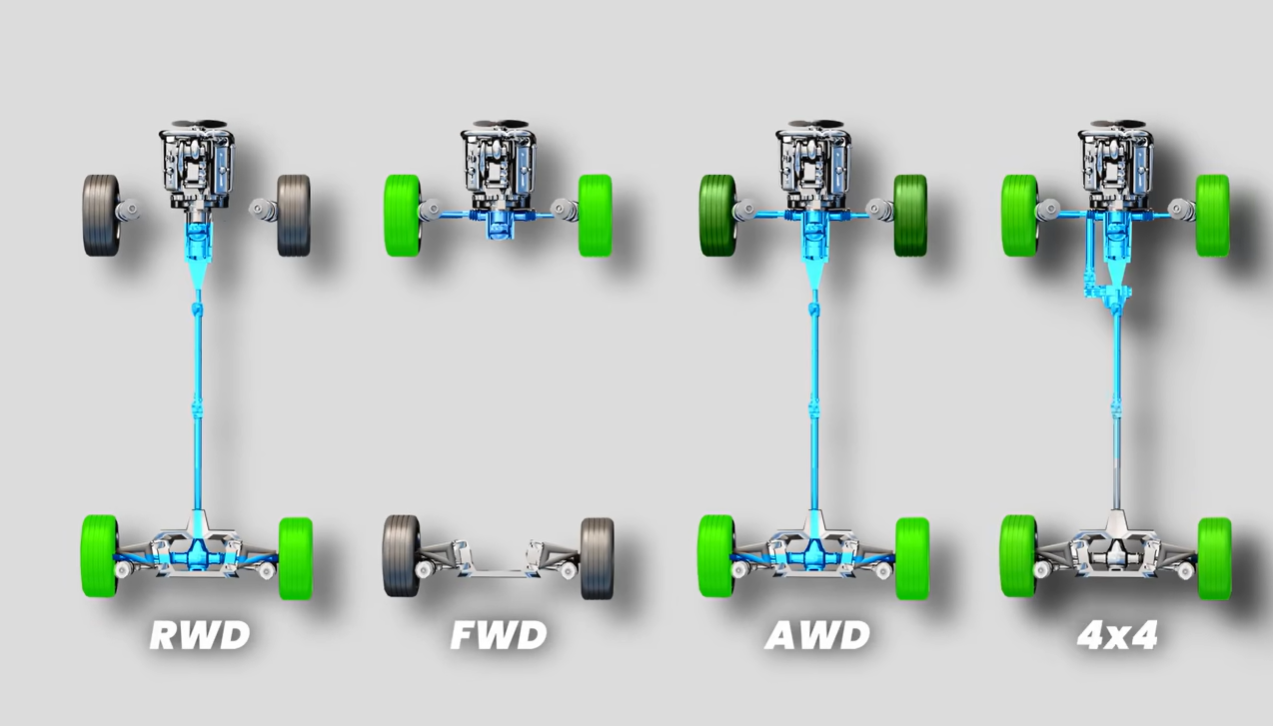
Front-Wheel Drive (FWD):
- Frequently use sealed hub assemblies in the front
- Common in compact and mid-size cars
- Often include integrated ABS sensors
Rear-Wheel Drive (RWD):
- Some trucks still use serviceable rear bearings
- Performance vehicles may use pressed bearings
- Solid rear axle setups can differ from independent suspension designs
All-Wheel Drive (AWD):
- Typically use hub assemblies at all four corners
- Replacement process is usually bolt-on
Checking your particular year, make, and model is crucial before placing an order for parts because designs differ.
When Should You Replace Each?
If you observe wheel play, vibration, or noise, replace a wheel bearing. If the vehicle has a bolt-on unit, the ABS sensor is integrated and malfunctioning, or the bearing is enclosed inside the hub assembly, replace the complete hub assembly.
The warning indicators are the same whether you’re working with a bearing or an entire hub assembly.
We often see customers researching suspension noise expecting to replace only the bearing, only to discover their vehicle actually uses a sealed hub assembly. In these designs, the bearing is not serviceable on its own, which means the full hub assembly must be replaced.
Our recommendation is to confirm whether your bearing is serviceable before ordering parts, and address noise or play early. Waiting too long can cause additional hub damage, uneven tire wear, or ABS sensor issues that increase repair costs.
Signs of Failure
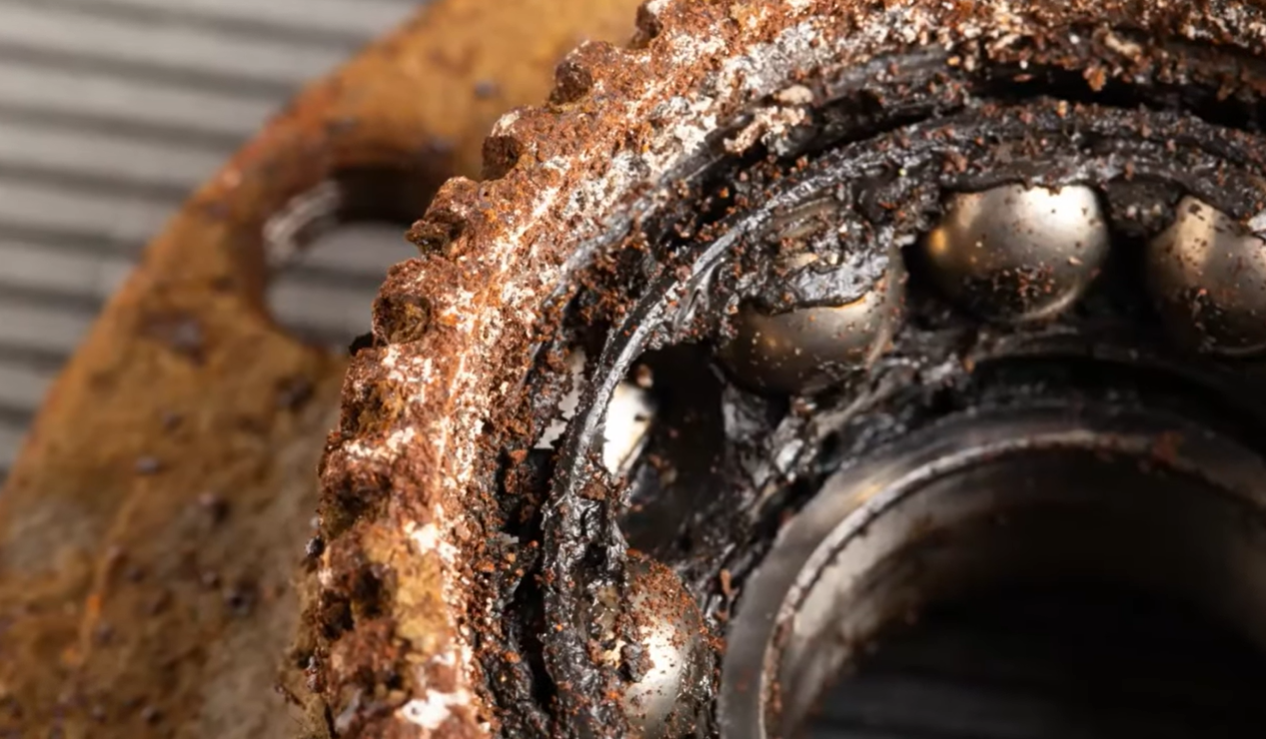
Common symptoms include:
Humming or growling noise that increases with speed
- Grinding sounds
- Steering wheel vibration
- Uneven tire wear
- ABS warning light (if sensor is integrated)
Unsafe wheel play or hub damage might result from driving on a failing bearing for an extended period of time.
When Full Hub Replacement Makes More Sense
Replacing the entire hub assembly is often recommended when:
- The ABS sensor is integrated and malfunctioning
- The bearing is sealed and non-serviceable
- Labor costs for pressing a bearing exceed the cost difference
- Corrosion makes bearing removal difficult
Installing a full hub assembly often avoids the need for specialized equipment and minimizes downtime.
Certain cars may have a warning light after installation because of sensor recalibration. Here’s how to correctly reset the ABS light if that occurs.
For when the day comes and you need a replacement, you already know where to go for the highest quality parts!
FAQs
Is a wheel hub the same thing as a wheel bearing?
No, they are not the same part. The internal component that lowers friction and supports the weight of the vehicle to enable smooth wheel rotation is called a wheel bearing. The exterior component that the wheel fastens to is called a wheel hub. Although the bearing is pre-installed inside the hub assembly of many contemporary cars, they nevertheless have distinct purposes.
Can you replace just the wheel bearing instead of the entire hub?
The design of your car will determine this. You can only replace the bearing if your car has a working press-in bearing. However, if it employs a sealed hub assembly, the bearing cannot be removed separately without causing damage to the assembly, hence the entire unit needs to be replaced.
Why do modern vehicles use complete hub assemblies?
Hub assemblies are used by manufacturers because they increase dependability, make installation easier, and lessen contamination from moisture and dirt. In addition to lowering assembly errors during installation, pre-sealed devices usually offer more reliable performance over time.
How do I know whether I need a bearing or a hub assembly?
Verifying the year, make, and model specs of your car is the simplest method. The complete hub assembly will need to be replaced if your car has a bolt-on construction. A solitary bearing replacement might be feasible if it used a press-in mechanism. The right configuration can be verified using a parts lookup tool or repair manual.