A failing wheel bearing is one of those car problems that starts subtle then gets expensive real quick when ignored. Whether you’re hearing a humming noise or feeling vibration through your steering wheel, understanding wheel bearing replacement costs will help you avoid overpaying and/or risking your safety.
In this guide, we will be breaking down how much wheel bearing replacement really costs, what affects the pricing, and how to make the best repair decision for your car.
Article Quick Look:
- Wheel bearing replacement costs vary widely by vehicle type and shop pricing.
Real-world quotes shared by drivers range from $300 to well over $1,000, depending on car and repair difficulty - Front Vs. Rear wheel bearing costs can differ based on suspension designs.
Front wheel bearings are usually more expensive due to the integrated wheel hub assemblies and the need for axle removals.While rear wheel bearings typically cost between $150 and $600 per wheel, front wheel bearings typically cost between $250 and $800 per wheel. - Since front bearings are frequently offered as integrated hub assemblies and may need axle removal, which adds to labor costs, they are frequently more expensive.
- DIY replacements can save you money, but require the right tools and experience.
A proper wheel bearing job may require a bearing press, slide hammer, torque wrench, and specialty sockets. These tools can cost $150 to $500 or more if you don’t already have them. Without experience, improper installation can damage the hub, axle, or knuckle. Incorrect torque can also lead to early bearing failure. What began as a money-saving project can quickly turn into a more costly repair.
You can find a breakdown of how long it takes to replace a wheel bearing here.
So What’s the Average Cost to Replace a Wheel Bearing?
Generally, wheel bearing replacement costs between $150 – $800 per wheel. And some vehicles can exceed this range. The price will depend on your vehicle’s design and local labor rates. It typically takes 3-8 hours to replace a wheel bearing, which is a big time range and depends on a variety of factors. Yes, it’s not cheap but wheel bearings are extremely important for your tire alignment and stability.
Cost by Vehicle Type
- Sedans & compact cars:
Usually $150 to $400 per wheel.
Such as the Honda Civic and the Hyundai Elantra. - Midsize SUVs:
Usually $250 to $600 per wheel.
Such as the Toyota RAV4 and Nissan Rogue. - Trucks and large SUVs:
Around $300 to $800 per wheel.
Such as the Ford F-150 and the Chevrolet Silverado.
Front Wheel Bearing Replacement Cost
Front wheel bearings usually cost a bit more than rear ones because they’re in a busier part of the car with more parts nearby.
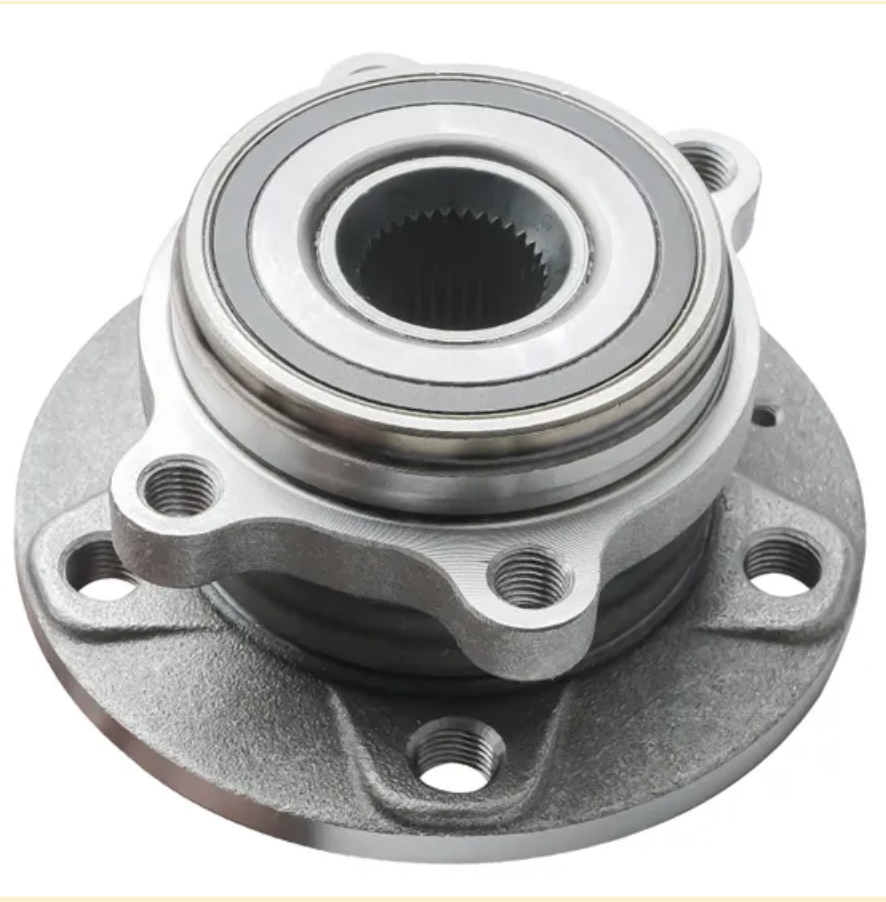
- Average: $250–$800 per wheel
- Labor costs more because it can take 1–2 hours.
Rear Wheel Bearing Replacement Cost
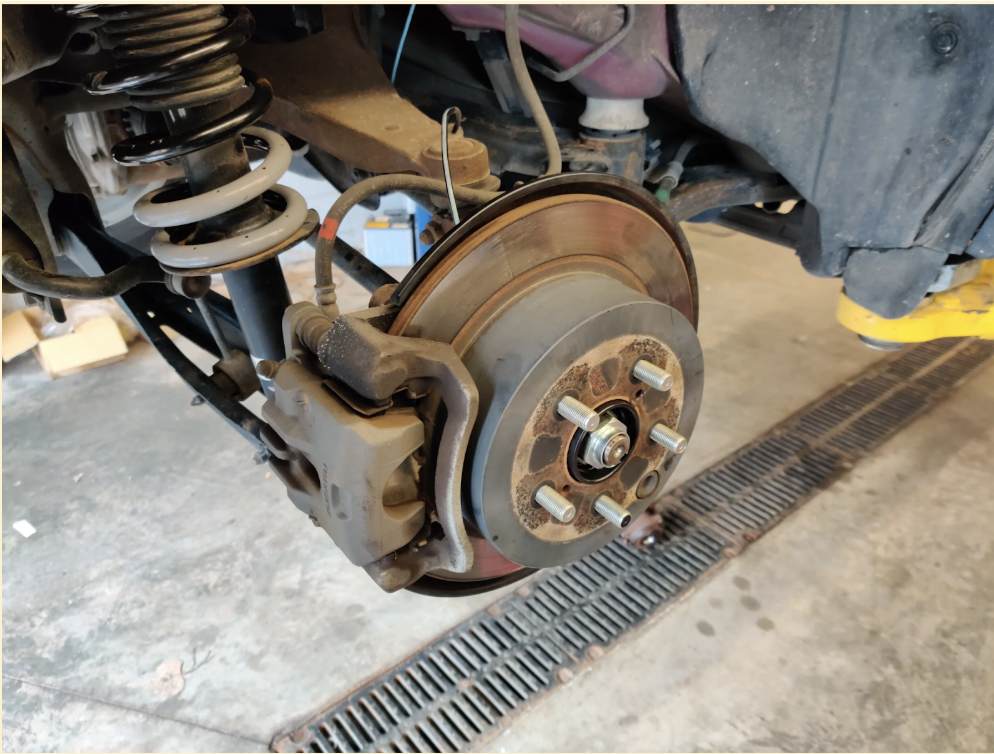
Rear bearings are usually a tiny bit cheaper because they’re simpler to access, not always, but often.
- Average: $250–$700 per rear wheel depending on vehicle and type
An example would be these 2016 Dodge Journey rear wheel hub and bearings. - Sometimes a sealed hub design means replacing the whole assembly instead of just the bearing.
Need rear hub bearings? Detroit Axle has rear wheel hub bearing assemblies here:
FAQs
How much does a wheel bearing replacement cost?
Most drivers can expect to pay between $150 and $800 per wheel for a wheel bearing replacement, depending on several factors. The total cost is influenced by your vehicle type, the labor rates in your area, and whether the bearing is sold separately or as part of a full hub assembly.
Disregarding a deteriorating wheel bearing can result in more costly repairs, such as damaged hubs, axles, or suspension parts, even if some drivers may be inclined to put it off to save money. Replacing the bearing as soon as possible guarantees safe driving and avoids future expenses.
What factors affect the total cost of wheel bearing replacement?
The total cost of wheel bearing replacement depends on several key factors, including the price of the parts (whether you need just the bearing or a complete hub assembly), your vehicle’s make and model, labor rates in your area, and whether a wheel alignment is required afterward. Some vehicles use bolt-on hub assemblies that are quicker to replace, while others require pressed-in bearings that take more time and specialized tools, increasing labor costs.
Your vehicle type also matters because heavy-duty trucks, performance cars, and luxury cars frequently have greater labor and part costs. In order to guarantee appropriate tire wear and handling, a wheel alignment could occasionally be advised following the repair.
If the suspension geometry is not altered, you can avoid paying for an alignment and possibly avoid labor costs if you are performing the repair yourself. On the other hand, a professional installation can guarantee that the bearing is placed securely and accurately.
Should I plan for any additional repairs?
Sometimes, yes. If a wheel bearing has been failing for an extended period, it can affect related components such as the hub assembly, axle, or even tires. A professional mechanic inspection will confirm whether any additional parts need attention during replacement.
Unexpected problems frequently arise during auto repairs, and a worn bearing can speed up the deterioration of other components. You can guarantee your car is completely safe to drive and save unforeseen expenses by budgeting for possible further repairs in advance. In addition to preventing more serious damage, early diagnosis and replacement support the maintenance of appropriate steering, braking, and suspension function.
How can I save money on wheel bearing replacement?
You can save money on wheel bearing replacement by comparing parts and labor options carefully before scheduling the repair. Purchasing quality aftermarket wheel bearings yourself can often cost less than dealership-supplied parts, as long as they meet OEM specifications for proper fit and durability. Getting quotes from multiple repair shops is also a smart strategy, since labor rates vary significantly by location and mechanic.
A do-it-yourself replacement could save labor charges if you are skilled and have the right equipment. Wheel bearing replacement, however, can be difficult and call for specific tools, particularly for pressed-in types. Repairing something without the proper equipment or expertise might result in more harm and more costs. The best strategies to save overall repair expenses while maintaining the dependability and safety of your car are to plan ahead, select high-quality parts, and compare expert estimates.