Noise, vibration, uneven tire wear, and in extreme situations, wheel separation, can all be signs of a failed wheel bearing. The good news? If you know what to look for, you can often find a faulty wheel bearing before it becomes harmful.
This guide explains how to check wheel bearings, what symptoms to look for, and what issues are frequently misdiagnosed as defective bearings.
What Is a Wheel Bearing and Why It Matters
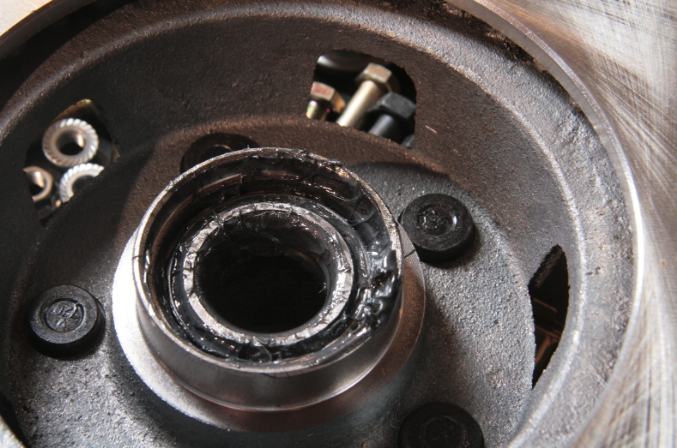
Precision steel ball bearings found inside a sealed hub assembly are called wheel bearings. They make it possible for your wheels to turn easily and with little resistance.
The majority of contemporary automobiles have sealed hub assemblies, which means:
- You can’t take them apart and put them back together.
- They are swapped out as a whole.
- Inspection is mostly external (play, sound, heat, damage)
It’s possible that older cars, particularly trucks, have visibly inspectable, serviceable tapered roller bearings.
How Do You Check If Your Wheel Bearings Are Bad?
By listening for speed-dependent noise, doing the 12 and 6 o’clock test, manually rotating the wheel, and keeping an eye on the ABS warning light, you may check for damaged wheel bearings. By taking these actions, worn or failing bearings can be found before they cause significant damage.
Our four-step procedure entails listening for speed-dependent humming, grinding, or growling noises; gently rocking the wheel at the 12 and 6 o’clock positions to identify play; manually spinning the wheel to feel for roughness; and looking for an illuminated ABS warning light on the dashboard. By adhering to these inspections, bearing problems can be identified early and expensive repairs or safety risks can be avoided.
1. Listen for Speed-Dependent Noise
Maintain a speed of 30 to 60 miles per hour.
A bad wheel bearing typically makes:
- A low humming or growling sound
- Noise that increases with speed
- Noise that changes when turning (loads the failing side)
For instance, the left wheel bearing is frequently the issue if the noise increases when turning right (since weight shifts onto that side).
2. Perform the 12 and 6 O’Clock Test
Secure the car on jack stands after safely raising it.
- Grab the tire at the 12 and 6 o’clock positions
- Rock it both inside and outside.
If you feel:
- Noticeable play
- A movement that clicks or clunks
The wheel bearing may be worn.
Important: Slight movement could possibly be a ball joint. Before changing parts, the source must be verified.
3. Spin the Wheel by Hand
With the wheel lifted:
- Spin it slowly
- Listen closely
- Feel for grinding or rough resistance
A bearing in good health should spin silently and smoothly. Internal bearing deterioration is indicated by grinding or scraping.
4. Check for ABS Warning Light
ABS sensors are frequently included in contemporary wheel bearings.
A bearing that is failing could:
- Trigger ABS light
- cause sporadic issues with traction control
Suspect the bearing assembly if you’re diagnosing humming noise in addition to ABS problems.
How Do You Visually Inspect a Wheel Bearing?
Visual examination is limited, but nevertheless helpful, for sealed hub assemblies.
Look for:
- Rusty paths surrounding the hub
- Leakage of grease (signaling seal failure)
- Shavings of metal
- Uneven rotor wear
- Heat discoloration on the hub
If the older, serviceable bearing is removed, look for:
- Pitting on races
- Discoloration of blue (overheating)
- Metal flaking or scoring
An illustration of overheating is when the hub exhibits a dark blue or purple hue, which indicates that the bearing has probably been harmed by internal friction.
Can Wheel Bearings Be Inspected Without Removing Them?
Yes, removal is not necessary for the majority of real-world inspections.
Professional shops often use:
- Road test diagnosis
- Electronic listening devices, or chassis ears
- Infrared temperature guns to detect excessive heat
After a drive, Reddit mechanics often talk about comparing hub temperatures with an infrared thermometer. A defective bearing may operate 20–40°F hotter than the other side.
What Can Be Mistaken for a Bad Wheel Bearing?
Misdiagnosis may result from a number of other factors producing symptoms that resemble a failed wheel bearing. Worn suspension components, tire unbalance, damaged CV joints, and problems with brakes or wheel hubs are common problems that mimic bearing problems.
A careful examination is required to determine the actual cause of the noise because these components may produce humming, grinding, or vibration that sounds like a bad bearing. Along with the wheel bearing, inspecting the tires, suspension parts, and associated systems guarantees a precise diagnosis and avoids needless replacement.
Here’s what commonly gets misdiagnosed:
1. Tire Noise
Cupped or uneven tires create humming that mimics bearing noise.
How to tell:
- Rotate tires front to back
- If noise changes location, it’s likely tires
2. CV Axles
A failing CV joint makes clicking when turning — not a constant hum.
3. Brake Issues
Warped rotors can create vibration under braking but won’t hum consistently at highway speed.
4. Differential Noise (Rear Bearings)
Rear differential whine changes with throttle input. Wheel bearing noise changes with vehicle speed — not acceleration load.
Do Wheel Bearings Usually Give Warning Before They Fail?
Indeed, most wheel bearings exhibit warning indications prior to total failure, enabling drivers to take action before the situation becomes hazardous. Early signs, such a little humming or growling sound at high speeds, frequently begin gently and get worse over time.
You can experience steering wheel vibration or mild pulling when driving as the bearing deteriorates. If the sensor is impacted, the ABS warning light may occasionally come on. In the later phases, severe grinding usually indicates serious internal damage that needs to be addressed right once.
Wheel bearings, however, can occasionally fail unexpectedly, particularly following collisions from curbs, potholes, or other road debris. Driving on a broken bearing can cause uneven tire wear, hub or knuckle damage, and in severe situations, wheel detachment. Early identification and replacement of a failing bearing is essential for both vehicle safety and avoiding more expensive repairs.
Not all wheel bearing problems are obvious at first, so knowing what to look for is key. Our guide on signs of a bad wheel bearing walks you through the most common symptoms, from unusual noises to steering vibrations, helping you catch issues early.
Can You Drive With a Bad Wheel Bearing?
The short answer is no.
Short-distance driving may be permitted in mild circumstances, but extended use may result in:
- Brake damage
- Failure of the ABS sensor
- Increased repair cost (from $300 to $800+ depending on vehicle)
Park the car right away if you hear grinding.
FAQs
How do you check if your wheel bearings are bad?
You can check if your wheel bearings are bad through a combination of driving and physical inspection. Start by listening for speed-dependent humming, growling, or rumbling while driving—these noises often get louder as the vehicle speeds up and may change when turning left or right.
To visually inspect a wheel bearing, start by checking the hub for excessive movement or play. Any wobbling when you try to rock the hub can indicate a worn bearing. Next, look for signs of damage such as rust particles, metal shavings, or discoloration caused by overheating, which can signal that the bearing has been running too hot.
Early detection of these visual indicators can keep your car safe to drive by preventing additional damage to the tires, suspension, hub, and axle.