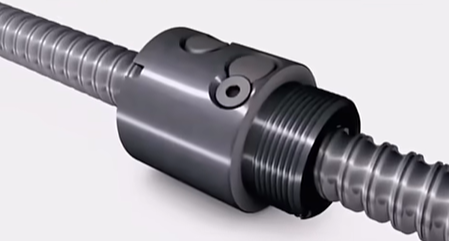
Although both ball screw and rack and pinion systems are mechanical devices that transform rotational motion into linear movement, their functions and applications differ. While ball screw mechanisms are more frequently utilized in precision machinery and some electric steering systems, rack and pinion systems are frequently seen in automobile steering.
Knowing the distinction makes it easier to understand why most cars employ rack and pinion steering and when ball screw designs can be utilized in its place. Understanding the definition and operation of a rack and pinion system may be helpful if you’re unfamiliar with steering systems.
Key Points to Review
- Rack and pinion uses a round gear (pinion) meshing directly with a toothed bar (rack) to push the wheels left or right. It’s compact, direct, and dominates passenger car design.
- Ball screw systems use a threaded shaft and recirculating ball bearings to convert rotation into linear motion. They handle higher loads with less friction, which is why they show up in heavy trucks, industrial machinery, and power steering pumps.
- In automotive steering, rack and pinion gives better steering feel and is lighter. Ball screw setups tolerate heavier loads but add complexity.
- Most passenger cars, crossovers, and light trucks use rack and pinion. Heavy-duty trucks and older recirculating ball steering systems used ball screw designs.
What Is Rack and Pinion?
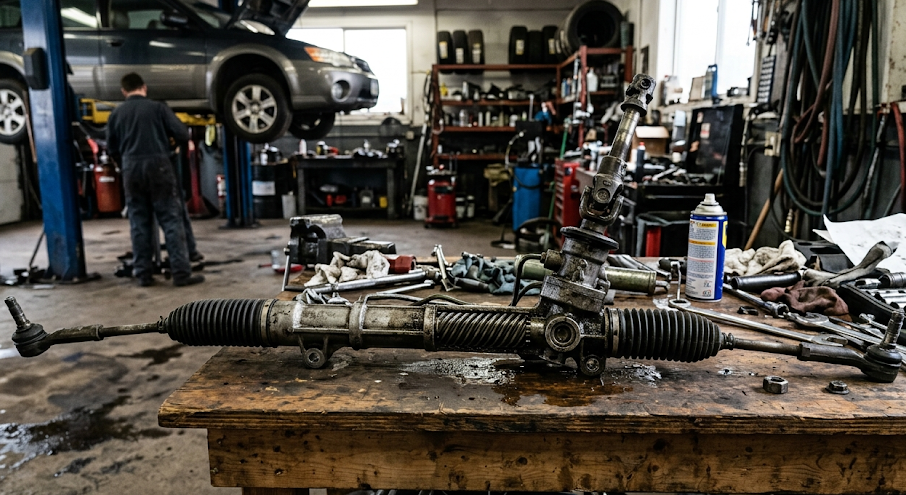
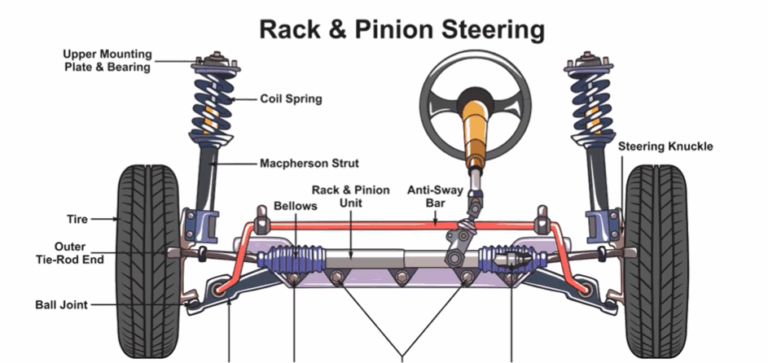
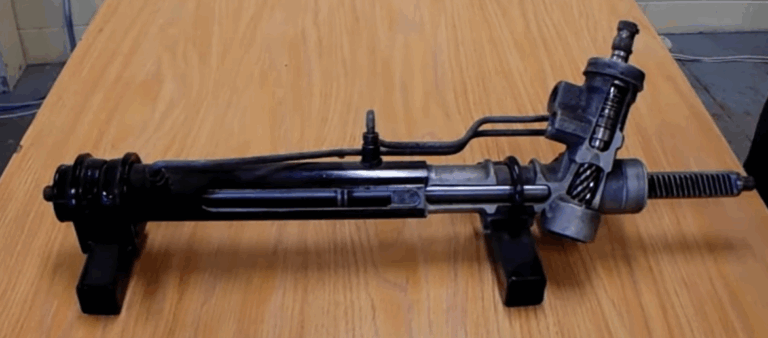
A steering device called a rack and pinion transforms the rotation of the steering wheel into side-to-side movement that rotates the wheels. The tie rods are moved by a straight gear (rack) that is rotated by a tiny gear (pinion).
We’ve noticed from our time in the business that because it has a straightforward design, fewer parts, and a snappy steering feel, rack and pinion steering is frequently found in passenger cars. Steering system engineering is guided in part by standards maintained by SAE International, which is part of why rack and pinion has won out across most vehicle classes. For instance, rack and pinion steering is used in most SUVs, sedans, and small cars to give predictable handling and less mechanical complexity.
What Is a Ball Screw System?
A ball screw system uses recirculating ball bearings and a threaded shaft to transform rotational motion into linear movement. The ball bearings lower friction and enable precise, fluid movement while the screw revolves.
Ball screw systems are commonly used in:
- CNC machines
- Robotics
- Industrial automation
- Some electric power steering designs
For example, instead of using hydraulic pressure to move the rack directly, some electric steering systems employ a ball screw actuator to provide steering assistance.
How Rack and Pinion Works
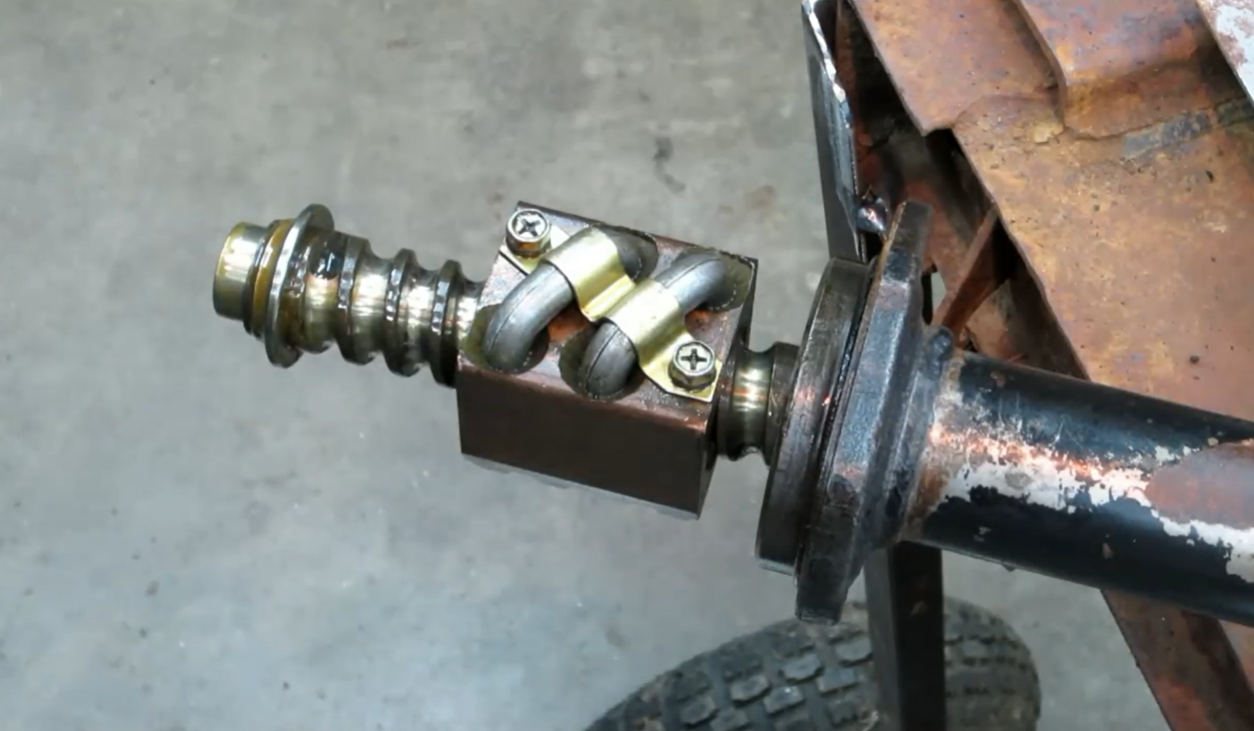
The steering components are moved by rack and pinion through direct gear engagement. The pinion gear rotates and pushes the rack to the left or right when the steering wheel turns.
This direct mechanical connection provides:
- Immediate steering response
- Fewer moving parts
- Lower manufacturing cost
We believe rack and pinion steering became the most popular design in contemporary cars as a result of this simplicity.
How Ball Screw Systems Work
Ball screw systems transform rotation into linear motion by use of rolling ball bearings inside a threaded mechanism. The balls move inside the nut to reduce friction rather than the gears meshing directly.
This design provides:
- High precision movement
- Reduced friction
- Smooth operation under load
However, ball screw systems are rarely employed as the main steering mechanism in cars since they are more complicated and costly.
Key Differences Between Rack and Pinion vs Ball Screw
Ball screw systems rely on rolling ball bearings inside a threaded assembly, whereas rack and pinion systems require direct gear contact.
Rack and Pinion:
- Direct gear engagement
- Simple mechanical design
- Common in vehicle steering
- Lower cost
Ball Screw:
- Threaded shaft with ball bearings
- Higher precision movement
- More complex design
- Higher manufacturing cost
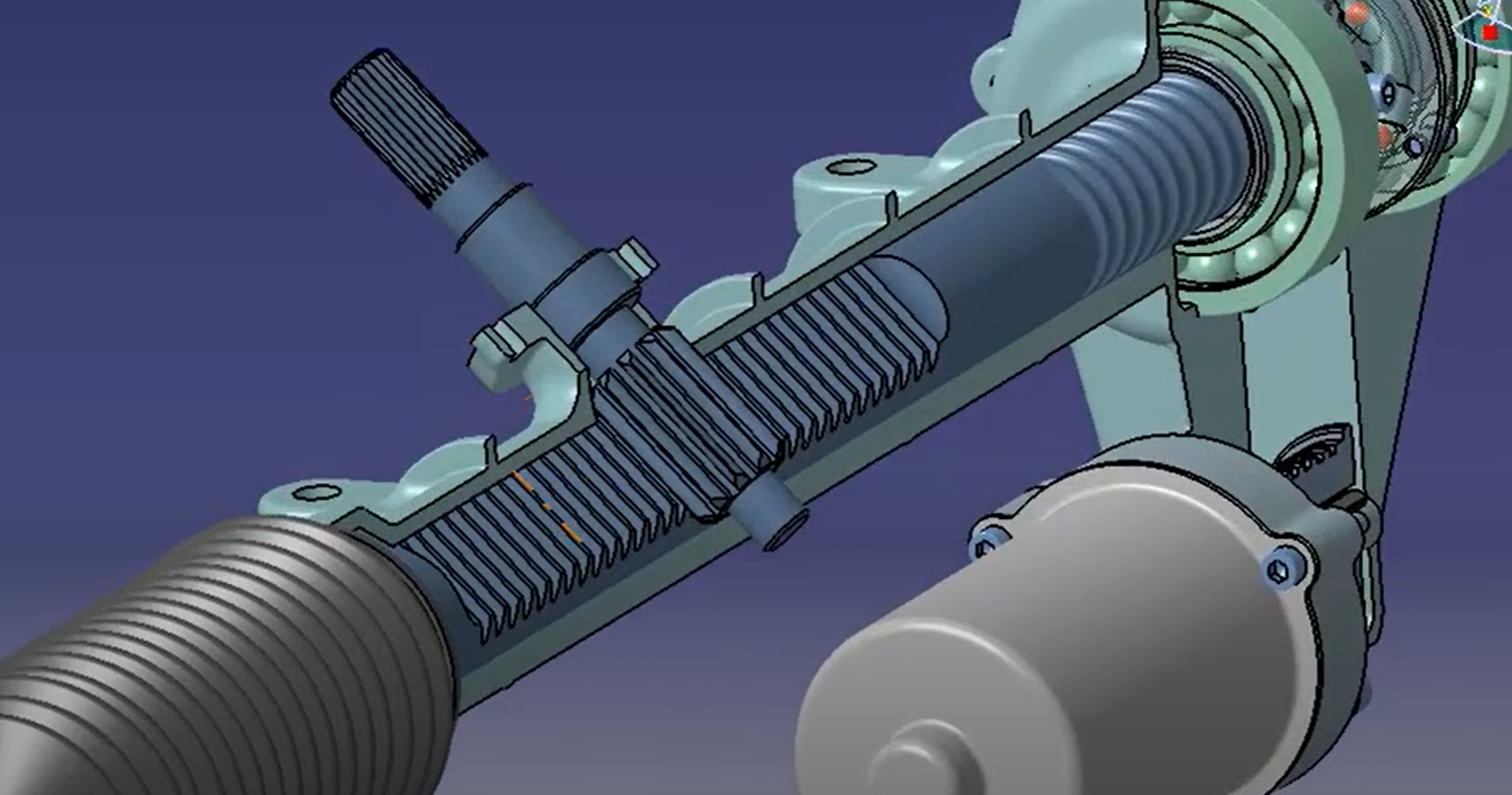
Ball screw mechanisms are occasionally included in electric assist systems for car steering, while rack and pinion designs continue to handle the principal steering movement.
Which System Is Used in Vehicles?
Most cars on the road today use a rack and pinion steering system. Ball screw systems are usually found only inside electric power steering units rather than serving as the main steering mechanism. Both designs sit inside the vehicle safety path documented by NHTSA’s vehicle safety resources, which is why steering system failures account for a steady share of manufacturer recalls.
For example, a compact commuter sedan typically uses rack and pinion for direct steering control, while many crossover SUVs use rack and pinion with electric assist, where a ball screw actuator helps provide additional steering support. Outside of automotive applications, industrial machines such as CNC equipment rely heavily on ball screw systems because they require extremely precise linear movement.
While driving, I’ve noticed that confusion often comes up when diagnosing electric power steering problems. Drivers sometimes assume the ball screw is part of the main steering mechanism, but in most passenger vehicles it only operates inside the assist unit. During troubleshooting discussions and repair case studies, steering issues were frequently traced back to the assist motor or actuator while the rack itself remained fully functional.
This is why rack and pinion remains the most commonly used steering design among the four main types of steering systems used in vehicles today.
Maintenance and Repair Differences
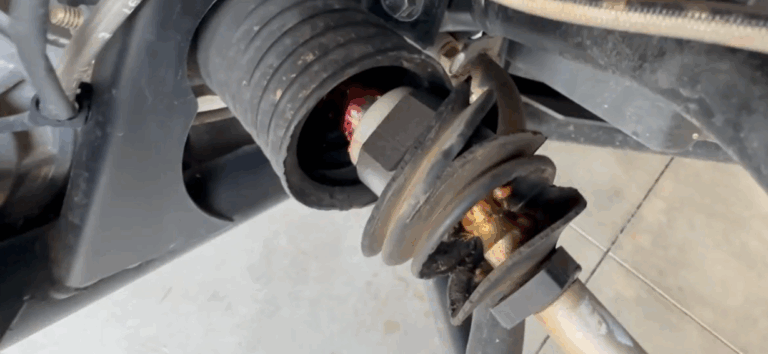
Internal gear wear, seal leakage, or loose tie rods are the usual causes of rack and pinion system wear. Ball screw mechanisms typically wear as a result of contaminants or bearing deterioration.
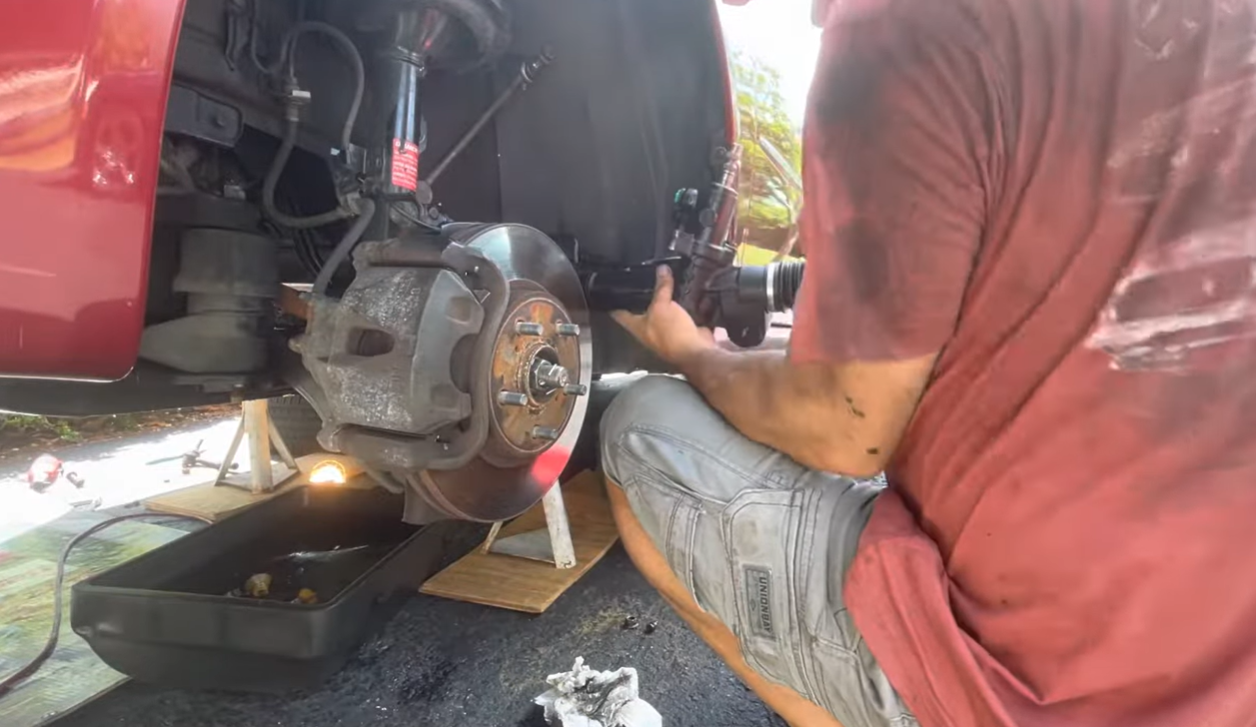
When steering problems occur, identifying the type of wear is important. For example:
- Loose steering often indicates rack wear
- Binding movement may indicate ball screw contamination
- Fluid leaks point to hydraulic rack issues
Knowing these variations makes it easier to decide whether a replacement is required, particularly when assessing how long you can drive with a defective rack and pinion or determining whether the expense of repairing the rack is worthwhile.
Cost Differences
Because of their simpler design, rack and pinion systems are typically less expensive than ball screw assemblies. Labor expenses can still be high, though.
Typical cost ranges:
- Rack and pinion replacement: $700–$2,100
- Electric steering actuator with ball screw: $900–$2,500
- Steering assist motor replacement: $600–$1,800
For instance, replacing an electric steering unit with a ball screw actuator can cost more than $2,000, whereas, depending on work time, a hydraulic rack might only cost $1,200.
When you look at how much it costs to replace a rack and pinion and how long it takes, you may further evaluate these expenses.
Which Is Better?
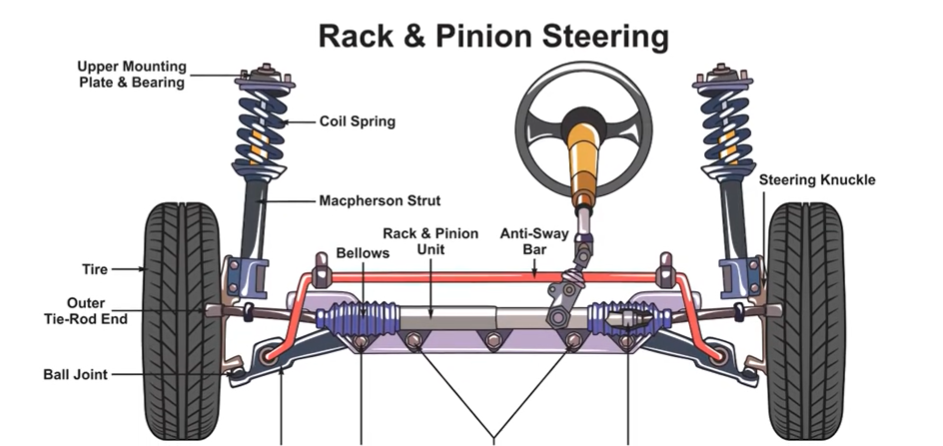
Ball screw systems work better for precision applications, whereas rack and pinion systems are more appropriate for vehicle steering. Ball screw components may only be used for electric assistance in modern cars, which rely on rack and pinion for direct steering control.
For example:
- Sports cars prioritize rack precision
- Electric steering systems may use ball screw assist
- Industrial machines rely heavily on ball screw mechanisms
Each design serves a different purpose.
FAQs
Is ball screw steering better than rack and pinion?
Ball screw systems are generally more precise in controlled environments, which is why they are commonly used in industrial machinery. However, rack and pinion steering is better suited for vehicles because it is simpler, lighter, and more durable under varying road conditions. Rack and pinion systems absorb impacts from potholes and uneven terrain more skillfully, require less maintenance, and offer superior steering input. Rack and pinion is preferred by automakers for daily driving because it strikes a balance between responsiveness and durability.
Do cars use ball screw steering?
Most cars use rack and pinion steering, although some electric power steering systems use ball screw actuators internally. Ball screw systems are usually limited to electric power steering units, where they aid in steering by converting the rotation of the electric motor into linear movement. In these configurations, the ball screw offers smoother and more controlled steering assistance, particularly at low speeds, rather than directly controlling wheel direction.
Why don’t vehicles use ball screw steering?
Vehicles don’t use ball screw steering because ball screw mechanisms are more expensive and complex, making rack and pinion more practical for everyday vehicles. Additionally, they may be more susceptible to contamination from dirt or debris, which is frequent in automobile settings, therefore they need tighter tolerances. Conversely, rack and pinion systems are more practical for trucks, SUVs, and passenger cars since they are more straightforward, durable, and easier to package inside the steering scheme.
Can a ball screw system fail in electric steering?
Ball screw components can wear over time, which may cause stiffness or inconsistent steering assist. When this occurs, drivers may experience irregular noises during low-speed maneuvers, stiffness at specific steering angles, or inconsistent steering assistance. Even though the problem is exclusive to the assist system, these symptoms are sometimes initially misdiagnosed as rack and pinion failure. Determining whether the issue is with the electric assist unit or the rack is crucial because the cost and method of repair might vary greatly.
Which Lasts Longer, Rack and Pinion or Ball Screw?
Ball screw systems typically outlast rack and pinion under heavy-load conditions because they distribute steering force across more internal contact points. On work trucks and large SUVs that see towing, it is normal to see a ball screw setup last 200,000+ miles without rebuild. Rack and pinion units on passenger cars usually show bushing wear or seal seep between 120,000 and 180,000 miles, depending on fluid maintenance and road quality.
Can You Swap a Ball Screw System for Rack and Pinion?
Swapping a ball screw (recirculating ball) system for rack and pinion is not a bolt-in job. The frame mounts, steering column geometry, and linkage are completely different. It is possible in a full retrofit on classic trucks, but it requires custom brackets, a new column, and reshaped tie rod geometry. For a daily driver, keeping the factory system the car was engineered around is almost always cheaper.
Why Do Most Modern Cars Use Rack and Pinion?
Most modern cars use rack and pinion because it is lighter, more compact, and more precise than a recirculating ball setup. Fewer parts means less play, which translates to sharper on-center feel and quicker response at highway speed. Manufacturers also save weight, which helps fuel economy and emissions targets.