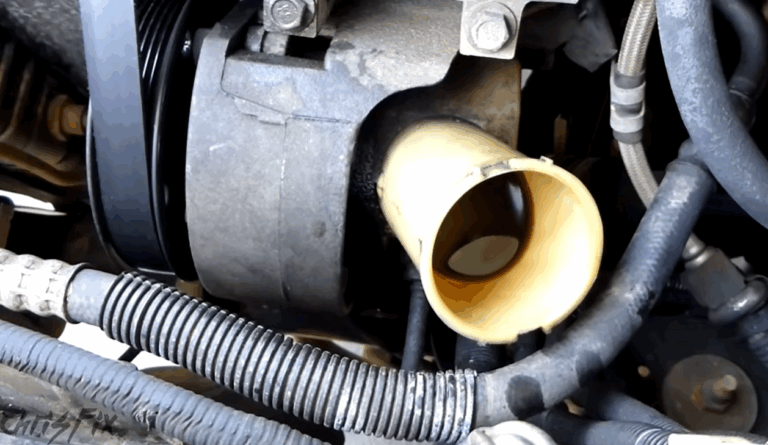
Flushing a power steering system takes 30 to 60 minutes and removes old, contaminated fluid that can damage the steering pump and rack.
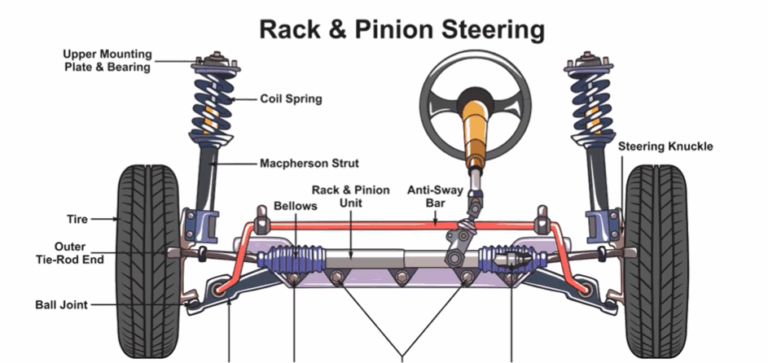
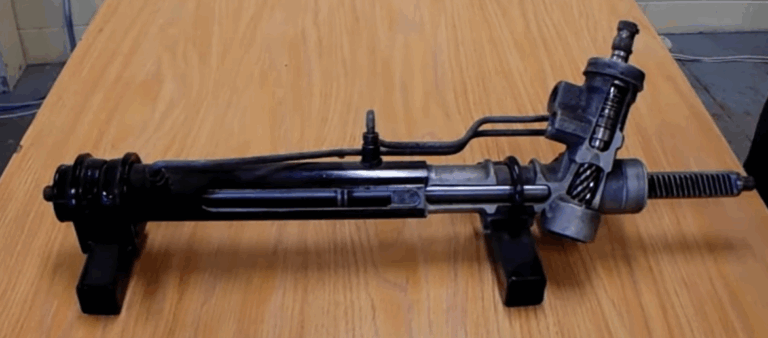
Power steering fluid degrades and accumulates debris over time, lowering hydraulic pressure and lubrication. Flushing the system can prolong the life of important parts like the rack and pinion and assist restore smooth steering. It is helpful to first comprehend what a rack and pinion system is and how it operates if you are not familiar with the technology.
Key Points to Review
- A power steering flush takes 30–60 minutes
- It removes dirty or degraded fluid from the system
- Helps prevent rack and pump failure
- Can be done DIY with basic tools
When You Should Flush Power Steering Fluid
You should flush power steering fluid every 50,000 to 100,000 miles or when you notice signs of contamination. the Car Care Council’s maintenance guide lists power steering fluid among the fluids that should be inspected on a routine service interval rather than only when a problem appears.
Common signs include:
- Dark or burnt-smelling fluid
- Whining noise when turning the wheel
- Stiff or inconsistent steering
- Visible debris in the reservoir
Clean power steering fluid is usually clear or slightly reddish. When it turns dark brown or black, it has typically broken down and no longer protects internal components properly.
For example, many drivers assume stiff steering means rack failure, but in some cases, simply replacing heavily contaminated fluid improves steering noticeably, especially on high-mileage vehicles. In many high-mileage vehicles, fluid contamination builds gradually, so drivers may not notice the steering getting heavier until the fluid is severely degraded.
Tools and Supplies Needed
Flushing a power steering system requires basic tools and the correct type of fluid.
Typical tools and supplies include:
- Power steering fluid (check manufacturer specification)
- Turkey baster or fluid pump
- Clear hose (for draining fluid)
- Container or drain pan
- Jack and jack stands
It’s crucial to use the right kind of fluid because the wrong kind can harm seals and impair system performance.
Step-by-Step Flushing Process
Flushing the system involves removing old fluid and replacing it with fresh fluid while cycling the steering system.
1. Lift the Front of the Vehicle
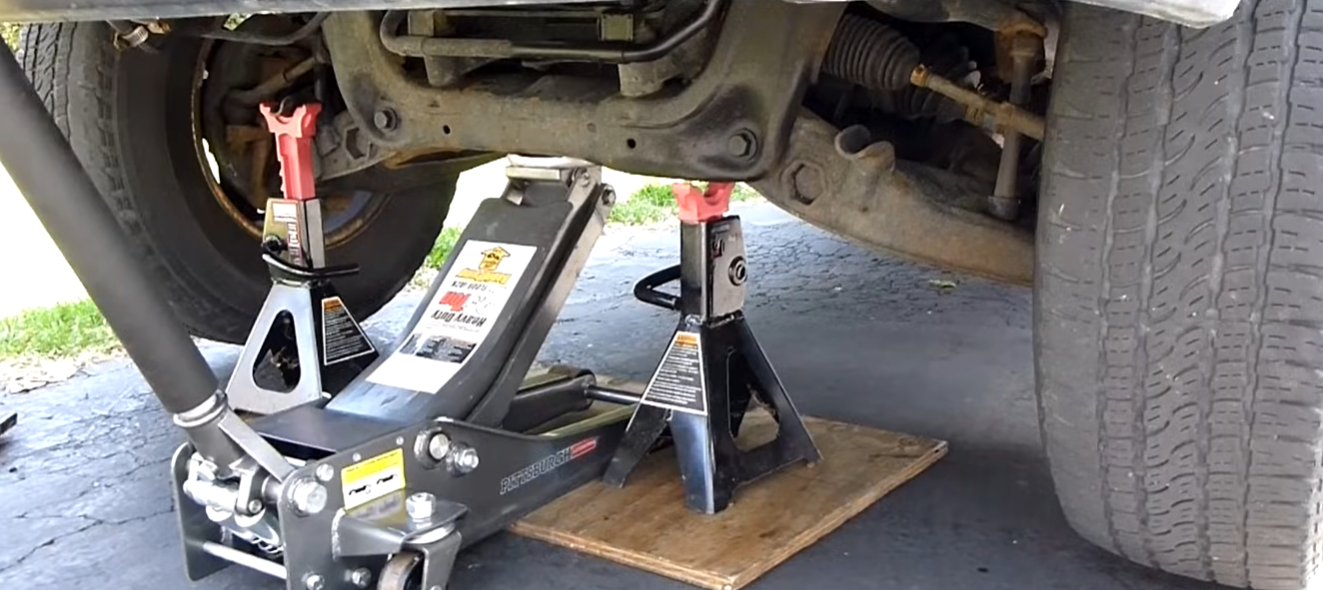
Using a jack, raise the front wheels off the ground and fasten them with jack stands. The wheels can now rotate freely as a result.
2. Remove Old Fluid from Reservoir
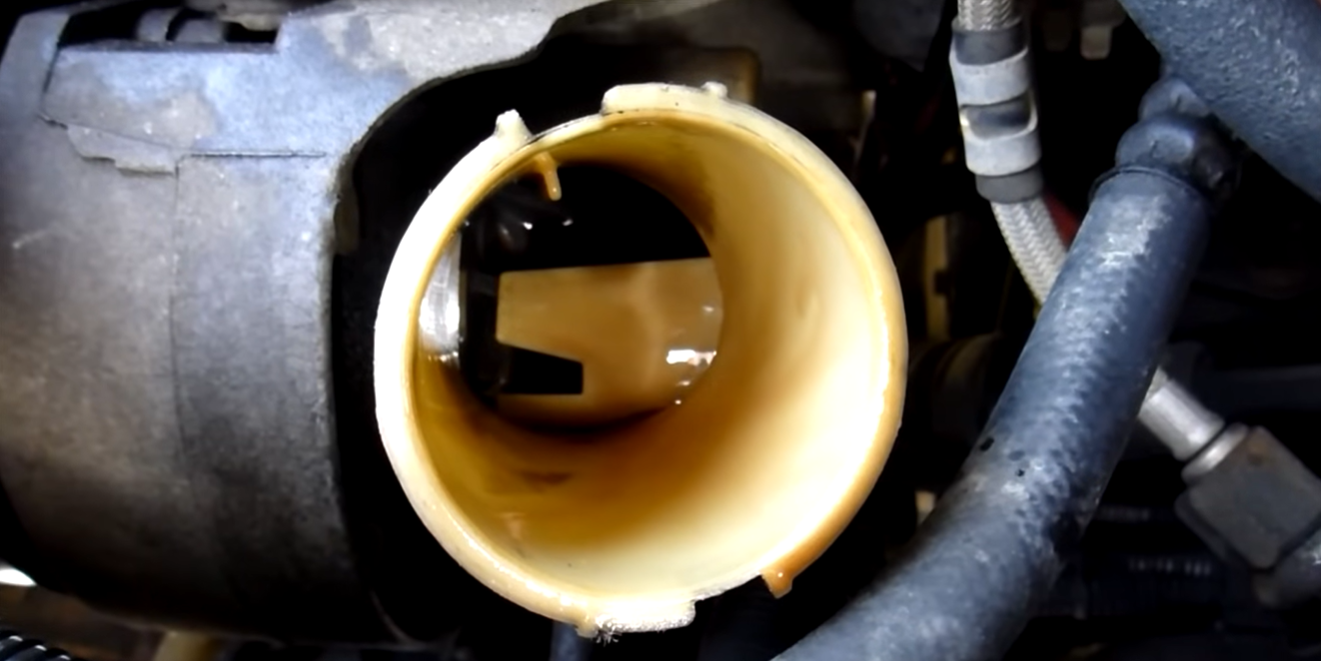
Remove as much old fluid as you can from the power steering reservoir using a turkey baster or pump.
3. Disconnect the Return Hose
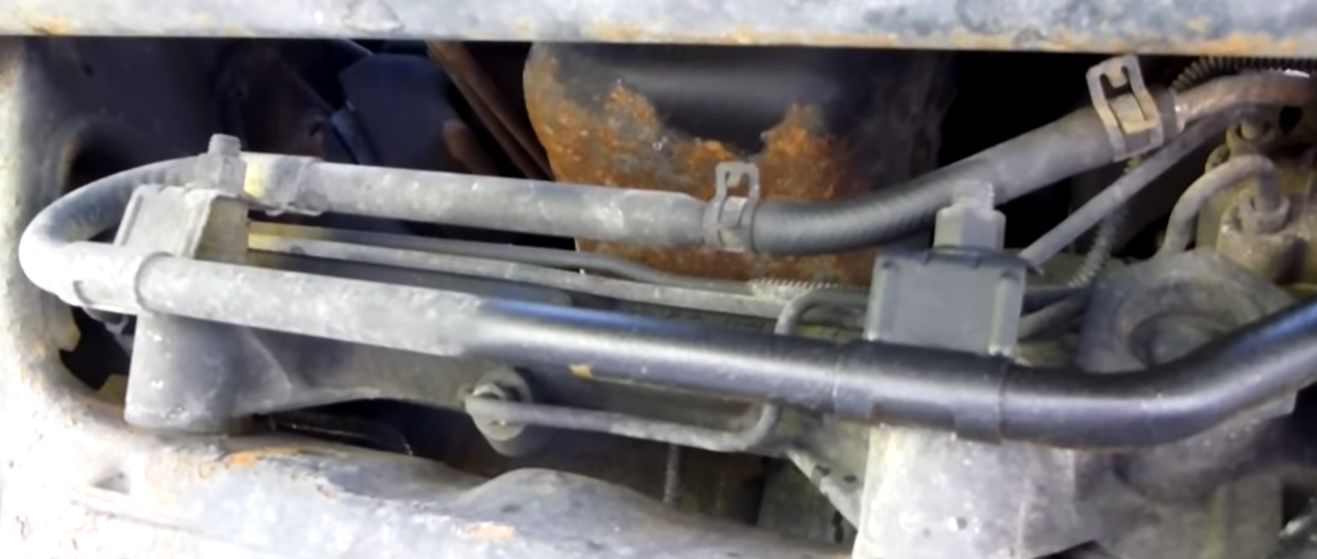
Put the low-pressure return hose in a drain container after disconnecting it from the reservoir.
4. Flush the System
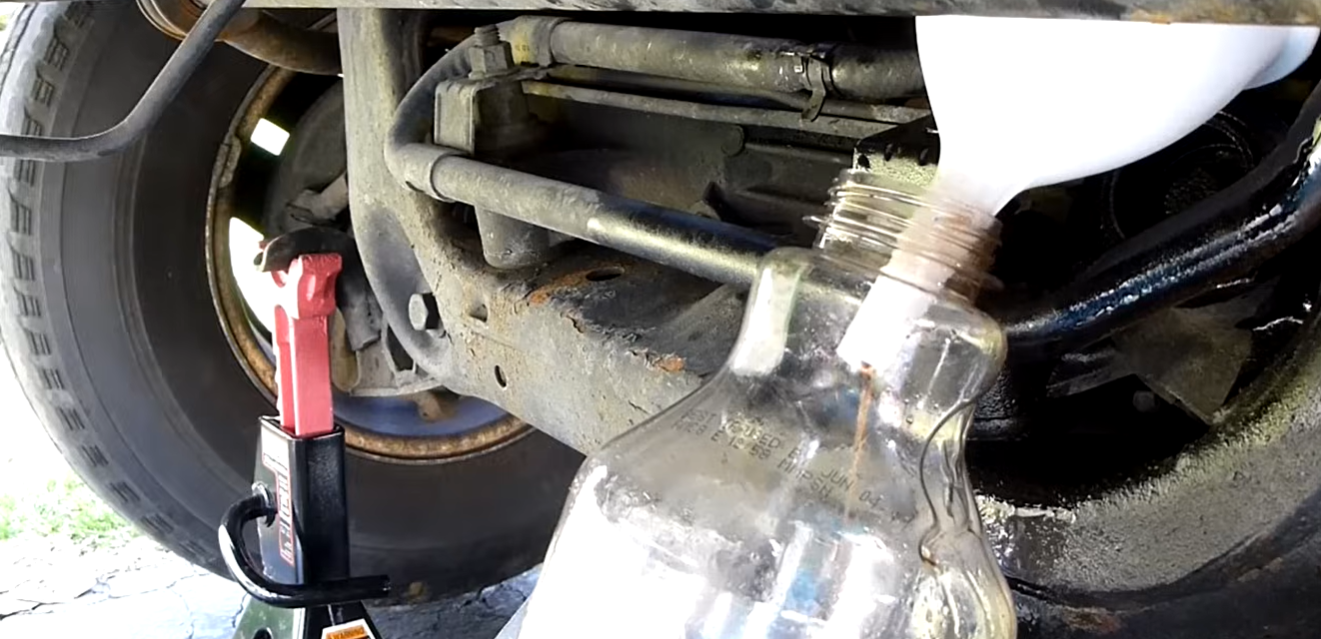
Turn the steering wheel from lock to lock while:
- Pouring fresh fluid into the reservoir
- Allowing old fluid to drain out through the hose
Old fluid is forced out of the system by this action.
This step is important because most of the old fluid sits inside the rack and lines, not the reservoir. We’ve noticed that when the steering wheel isn’t cycled fully from lock to lock, the fluid coming out initially looks darker once movement begins, showing that contaminated fluid is still inside the system. Cycling the steering pushes contaminated fluid out so fresh fluid can fully circulate.
5. Reconnect and Refill
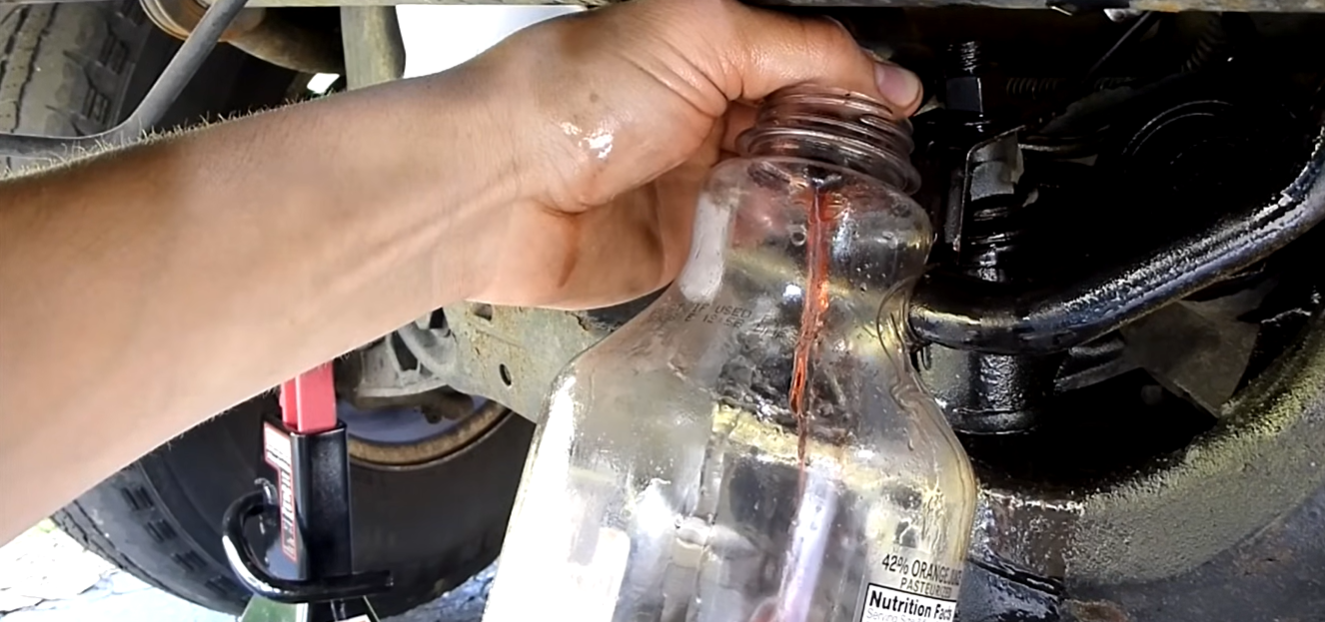
Fill the reservoir with new fluid after reconnecting the return pipe.
6. Bleed the System

To expel air from the system, turn the steering wheel completely left and right multiple times after starting the engine.
Smooth and reliable steering performance is ensured by this procedure. Steering-system failures that follow neglected fluid maintenance have appeared in manufacturer recalls catalogued by NHTSA’s recalls database, which is one more reason routine flushes matter.
The most common mistake on a DIY flush is stopping after the reservoir fluid is drained. That pulls maybe 20% of the total fluid out. The other 80% is sitting inside the rack and high-pressure lines, and it will mix right back in once the pump runs.
You fix this by cycling the steering lock to lock with the return line disconnected and directed into a catch bottle. Run the engine, turn the wheel full travel each direction, and watch the fluid color coming out. It starts dark. Once it runs clear, the system is actually flushed.
On high-mileage cars, a proper flush often restores steering feel without touching the rack. We have seen vehicles come in with heavy parking effort and burnt-smelling fluid that drove normally again after a full flush. It does not fix a mechanical problem, but it buys time when the issue is fluid, not hardware.
Common Mistakes to Avoid
Avoiding common mistakes ensures proper flushing and prevents damage to the steering system.
Common mistakes include:
- Using the wrong type of fluid
This may harm seals and lower the effectiveness of the system. - Letting the system run dry
The power steering pump may sustain harm if it is operated without fluid. - Not bleeding the system properly
Poor steering response and whining noise might be caused by air in the system. - Skipping the flush and only topping off fluid
Topping off won’t eliminate impurities or address underlying problems.
A common issue happens when someone removes fluid from the reservoir and refills it without disconnecting the return line. I had this during a DIY flush attempt where the fluid in the reservoir looked clean after refilling, but the steering still felt stiff during a test drive. In many cases, this only replaces a small portion of the total fluid because most of it remains trapped inside the rack and hoses. In practice, this partial replacement is often why drivers don’t notice any improvement afterward, since the contaminated fluid continues circulating through the system.
In many DIY flushes, this partial replacement is the reason drivers don’t notice any difference afterward, even though fresh fluid was added.
Benefits of Flushing the System
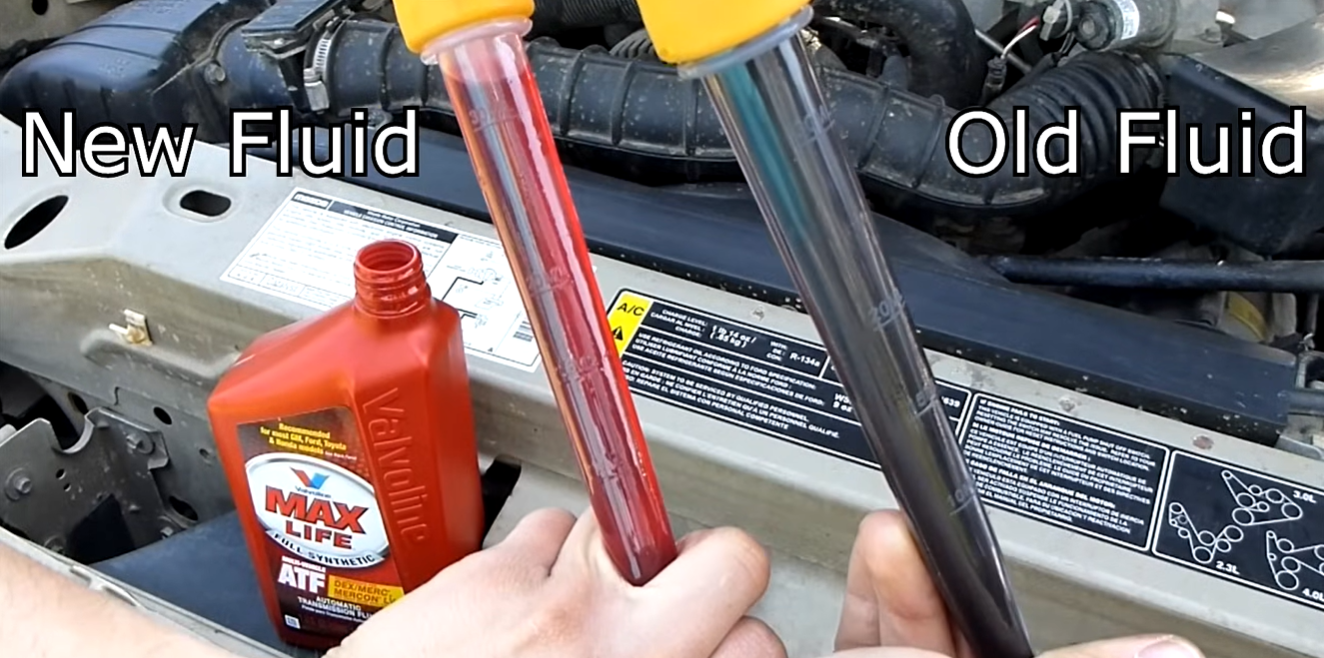
Flushing the power steering system improves performance and helps prevent costly repairs.
Key benefits:
- Smoother steering response
- Reduced noise (whining or groaning)
- Extended life of pump and rack
- Prevention of internal wear and leaks
For example, tainted fluid may hasten rack and pinion deterioration, resulting in leaks or poor steering. Frequent flushing can often postpone or even avoid the need to replace the entire rack, especially when stiff steering is caused by degraded fluid rather than mechanical wear. You see vehicles with heavy steering improve noticeably after a proper flush, particularly when the fluid appeared dark or burnt. In these situations, restoring clean fluid helped smooth operation without immediately replacing the rack. Determining whether replacing the rack and pinion is worthwhile before making significant repairs could also be helpful if you’re having steering problems.
FAQs
Does flushing power steering fluid make a difference?
Flushing power steering fluid improves steering performance and reduces wear on internal components. Proper lubrication and hydraulic pressure are restored by clean fluid.
Can you flush power steering fluid yourself?
You can flush a power steering system yourself using basic tools and proper steps. Although the procedure is simple, caution must be taken to prevent adding air or drying up the system.
What happens if you don’t flush power steering fluid?
Old power steering fluid can damage the pump and rack over time. Contaminants can result in costly repairs, lower performance, and increased friction.
How much does a power steering flush cost?
A power steering flush typically costs $80 to $150 at a repair shop, while DIY costs range from $30 to $60. The type of fluid and the needs of the vehicle determine the precise cost.