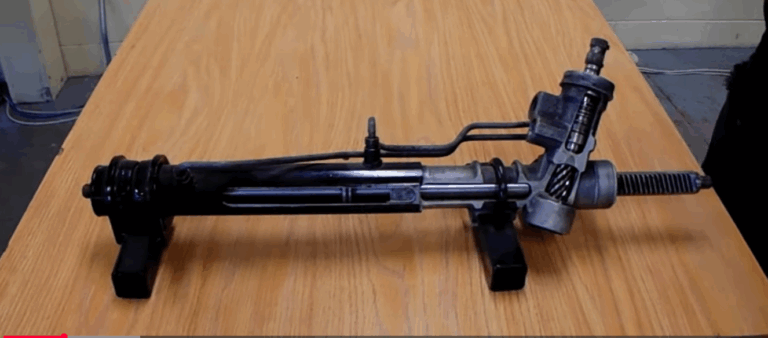
Rack and pinion steering is utilized in the majority of contemporary cars, though the design may differ based on the kind of steering assistance. When diagnosing steering problems or making repair plans, it is helpful to understand the various types of rack and pinion systems.
Key Points to Review
This blog explains:
- The different types of rack and pinion systems
- How power steering affects rack design
- Differences between hydraulic and electric steering
- Which systems are most common today

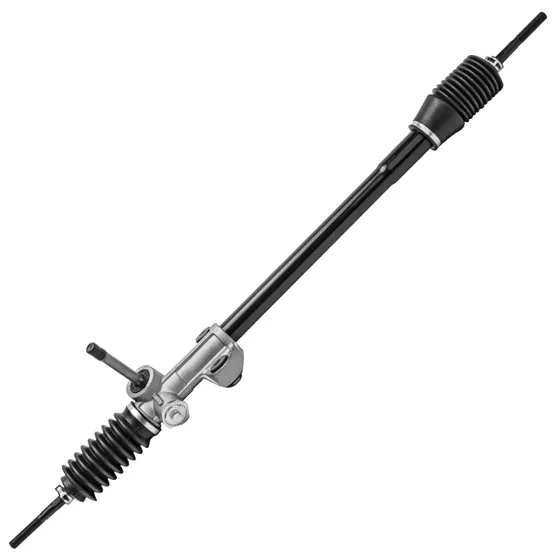
Manual Rack and Pinion
Power is not required for manual rack and pinion systems to function.
The driver provides all of the steering force in this configuration. The rack is moved left or right by the pinion gear when the steering wheel revolves, pushing the tie rods and turning the wheels.
Manual racks are lightweight and technically straightforward due to the lack of hydraulic or electronic assistance. They do, however, need more steering effort, particularly while parking or at low speeds.
These systems were more prevalent in smaller automobiles and older cars where it was important to reduce weight and mechanical complexity.
Hydraulic Power Rack and Pinion
Power steering fluid and a pump are used in hydraulic rack and pinion systems to assist in moving the rack.
Hydraulic pressure helps the rack inside the steering housing move as the driver moves the steering wheel. This lessens the force required to steer the car, especially while it’s moving slowly.
Typical parts of a hydraulic rack system consist of:
- Power steering pump
- Hydraulic fluid lines
- Steering rack with hydraulic chambers
- Power steering reservoir
Because it offers significant assistance for bigger vehicles and a smooth steering feel, this design has been frequently utilized for decades.
The complete steering rack component may need to be replaced if a hydraulic rack experiences internal leaks or severe wear.
Electric Power Steering Rack
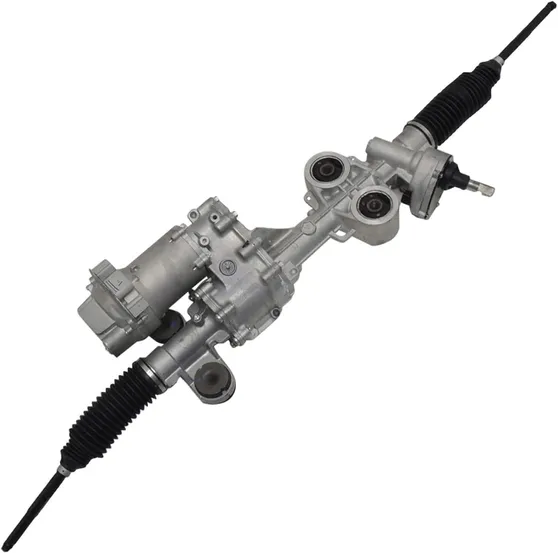
Electric motors are used in place of hydraulic pressure in electric power steering (EPS) racks to help with steering.
An electric motor installed on the steering rack or steering column provides the necessary help to move the rack instead of depending on fluid pressure.
Advantages of electric power steering include:
- Improved fuel efficiency
- Fewer fluid leaks and less maintenance
- Better integration with driver-assist technologies
Electric steering motors, for instance, are used in automated parking and lane-keeping assistance systems to help regulate wheel movement.
These benefits have led to the widespread deployment of EPS systems in contemporary cars.
How to Identify Which System Your Car Uses
By looking at a few important factors, you can frequently identify the kind of rack and pinion system your car utilizes.
For example:
- A hydraulic steering system is typically indicated by the presence of a power steering fluid reservoir.
- An electric power steering system is suggested by an electric motor placed close to the steering rack.
- Since many contemporary cars include EPS systems, the model year and design of the vehicle can also offer hints.
Verifying the type of rack fitted on the car is crucial if you’re diagnosing steering issues or planning a repair because it can have an impact on replacement costs and repair methods. For instance, it can occasionally be more expensive to replace electronic steering racks than conventional hydraulic ones.
FAQs
What type of rack and pinion is most common?
Electric power steering racks are the most common type used in modern vehicles. Because electric steering increases fuel efficiency and enables better integration with safety and driver-assist technology, several manufacturers have switched from hydraulic systems to electric steering.
Do all cars use rack and pinion steering?
Yes, most modern passenger vehicles use rack and pinion steering because it provides precise control with fewer moving parts. However, recirculating ball steering systems may still be used in some older cars and heavy-duty trucks.
Is electric power steering better than hydraulic?
Increased efficiency, reduced fluid leaks, and compatibility with cutting-edge driver-assist systems are just a few benefits of electric power steering. Nonetheless, in specific driving circumstances, some drivers believe hydraulic systems offer marginally superior steering feeling.