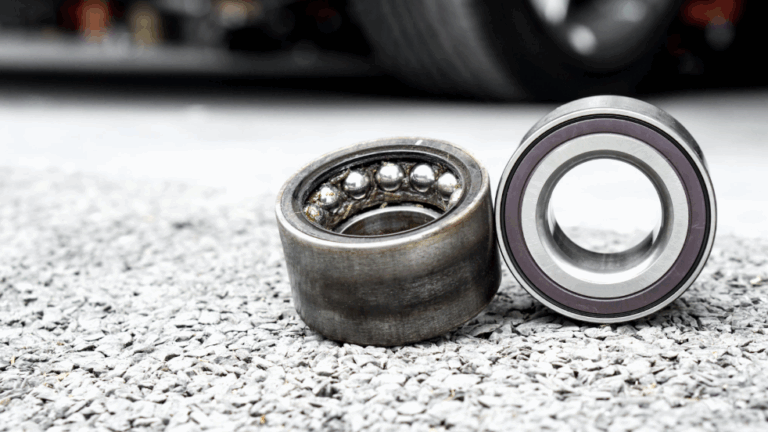
Many vehicle owners assume that a wheel bearing and a hub assembly are the same part, but they are actually different components with different replacement procedures.
Modern vehicles often combine both parts into a single sealed unit, which can affect repair costs, installation difficulty, and labor time.
Understanding the difference is important when diagnosing wheel noise or planning a repair, because some vehicles allow you to replace only the bearing while others require replacing the entire assembly including the wheel hub.
Key Points to Review
Here’s what we’ll cover:
- What a wheel bearing is
- What a hub assembly includes
- Key structural differences between the two components
- How to identify which system your vehicle uses
What Is a Wheel Bearing?
A wheel bearing is a precision component that allows the wheel to rotate smoothly with minimal friction.
It typically consists of hardened steel balls or rollers contained inside a metal ring called a race. These bearings are designed to handle both radial loads (vehicle weight) and axial loads (forces from cornering).
When the wheel spins, the bearing allows the hub and wheel to rotate thousands of times per minute without generating excessive heat or friction.
When a bearing begins to wear out, it usually produces noise or vibration that becomes more noticeable at higher speeds. For example, drivers often report a humming sound that gets louder above 40–50 mph or changes when turning.
What Is a Hub Assembly?
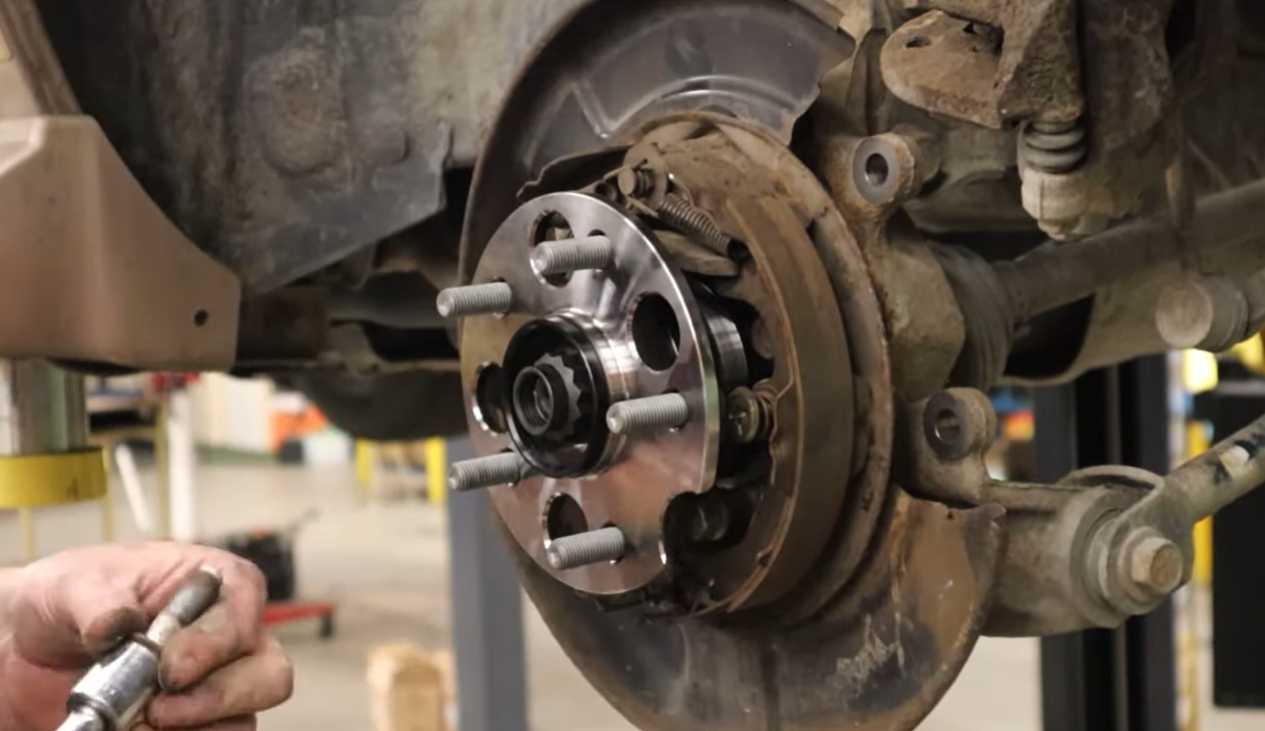
A hub assembly is a pre-assembled unit that combines several wheel components into one part.
Instead of installing the hub and bearing separately, manufacturers often package them together in a sealed unit.
A typical hub assembly includes:
- Wheel hub flange where the wheel mounts
- Sealed wheel bearing inside the unit
- Wheel studs for securing the wheel
- ABS wheel speed sensor or tone ring
These assemblies bolt directly to the steering knuckle, which makes them faster to install than traditional press-in bearings.
Because the bearing is sealed inside the assembly, it typically cannot be serviced or replaced separately. When the bearing fails, the entire hub assembly must be replaced.
This design is common in modern vehicles because it reduces installation errors and improves durability.
Key Differences Between Hub Assemblies and Wheel Bearings
The main differences between hub assemblies and wheel bearings come down to structure, installation, and repair costs.
Structure
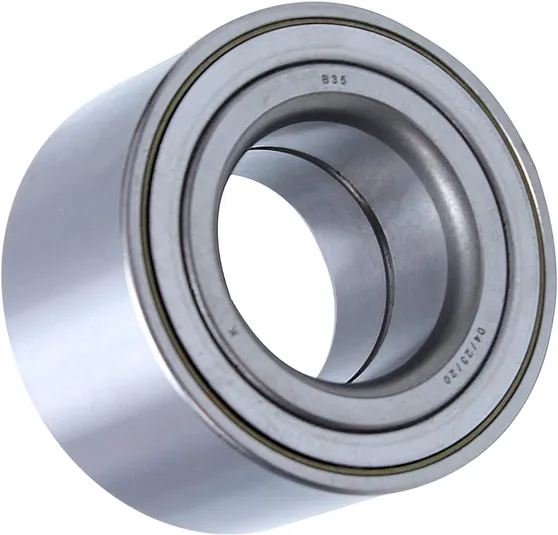
Wheel Bearing
- Separate component
- Pressed into the steering knuckle or hub housing
- Often used in older vehicle designs
Hub Assembly
- Integrated unit containing the hub and bearing
- Bearing already installed and sealed
- Common in modern vehicles
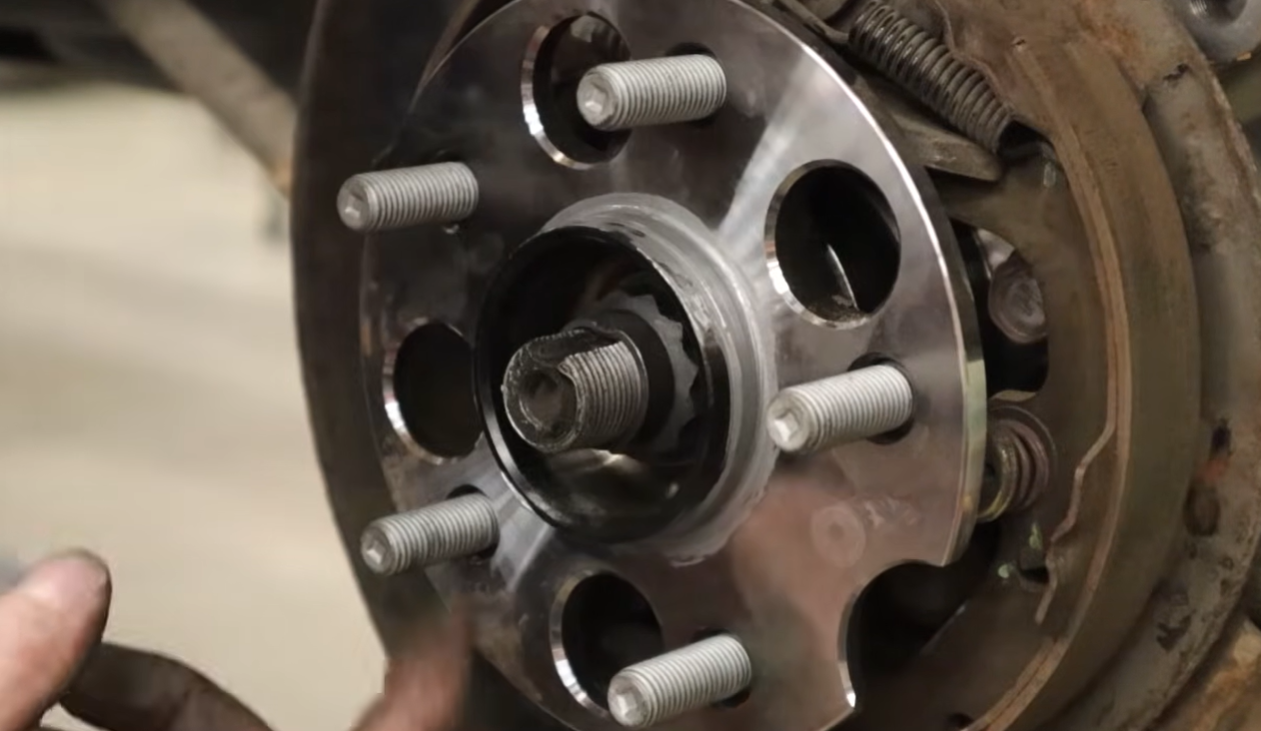
For example, many vehicles built before the early 2000s use press-in bearings, while many modern cars use bolt-on hub assemblies.
Replacement Process
Hub assemblies are typically easier and faster to replace because they bolt directly to the steering knuckle.
Most hub assemblies are secured with three or four mounting bolts behind the knuckle. Once those bolts and the axle nut are removed, the unit can usually be pulled out and replaced with a new one.
Press-in wheel bearings require a more complex process.
Technicians must:
- Remove the hub and bearing
- Press the bearing out of the steering knuckle
- Install the new bearing using a press or puller
If you don’t have access to a hydraulic press, some repairs can still be completed with specialty tools. After removal, the new bearing must be installed correctly and torqued to specification.
Cost Differences
Hub assemblies usually cost more for parts, but the installation process is often faster.
Because hub assemblies include multiple components, the part itself can cost more than a standalone bearing.
Typical price ranges include:
- Hub assembly: $80–$350 for parts
- Standalone wheel bearing: $30–$120 for parts
However, labor costs can sometimes be lower for hub assemblies because the installation is simpler and does not require pressing the bearing into the knuckle.
Which One Does Your Vehicle Have?
Whether your vehicle uses a hub assembly or a separate wheel bearing depends on its design and model year.
Factors that influence this include:
- Model year
- Drivetrain layout (FWD, AWD, RWD)
- Suspension design
Many vehicles built within the last 15–20 years use sealed hub assemblies because they simplify installation and reduce maintenance.
For example:
- Many modern sedans and crossovers use bolt-on hub assemblies
- Some trucks and older vehicles still use press-in bearings
If you’re diagnosing a repair, checking the vehicle’s service manual or parts diagram will confirm which design your vehicle uses.
What Happens When a Bearing Fails?
When a bearing fails inside a hub assembly, the entire unit usually needs replacement.
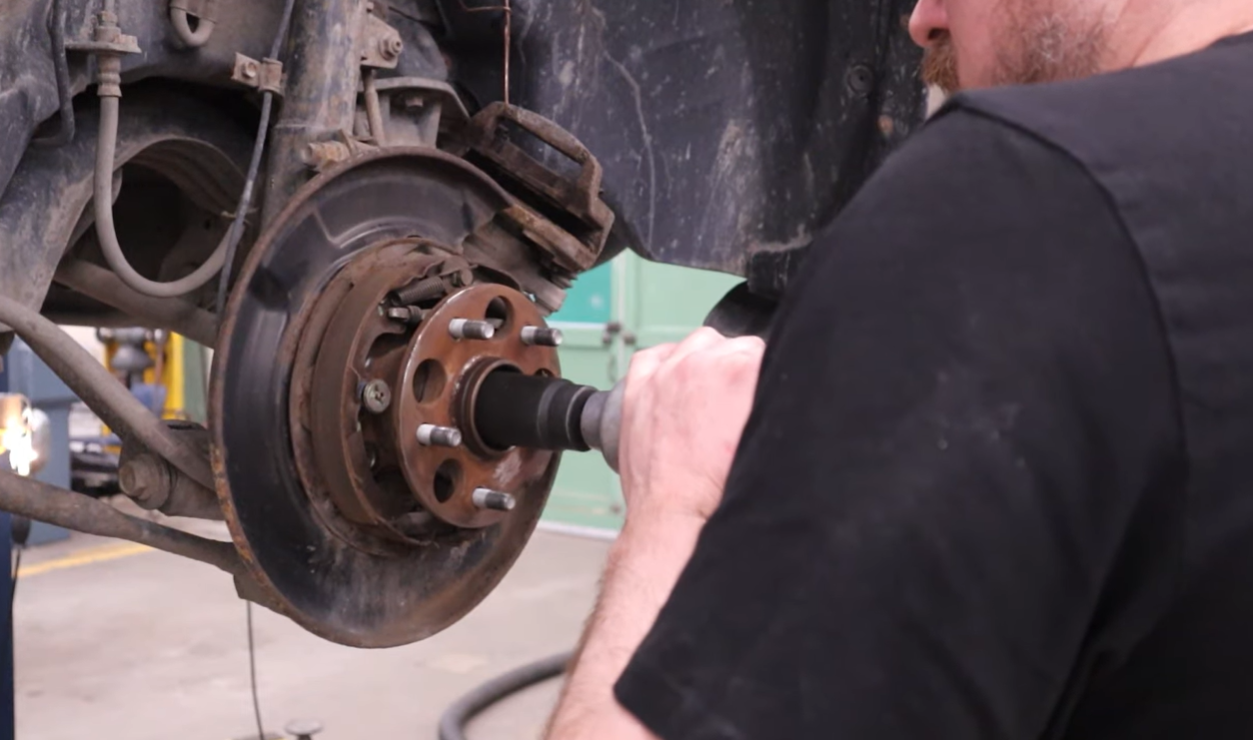
As the bearing wears out, several symptoms may appear:
- Humming or grinding noise while driving
- Wheel looseness or play
- Steering vibration
- ABS warning light
The ABS warning light can appear because many hub assemblies include the wheel speed sensor or tone ring used by the anti-lock braking system.
For example, if debris or damage affects the sensor during replacement, the system may store an error code and a reset is required.
FAQs
Is a hub assembly the same as a wheel bearing?
No, a hub assembly and a wheel bearing are different components.
A wheel bearing is the internal component that allows the wheel to rotate smoothly, while a hub assembly is a complete unit that includes the hub, bearing, wheel studs, and sometimes an ABS sensor.
Can you replace just the bearing instead of the hub?
You can replace just the bearing if your vehicle uses a press-in bearing design.
However, vehicles with sealed hub assemblies require replacing the entire unit because the bearing is integrated and cannot be removed separately.
Are hub assemblies easier to install?
Yes, hub assemblies are generally easier to install because they bolt directly onto the steering knuckle.
Unlike press-in bearings, they usually do not require specialized tools such as a hydraulic press, which can reduce installation time.
Why do modern vehicles use sealed hub assemblies?
Modern vehicles use sealed hub assemblies because they improve reliability and simplify repairs.
By combining the hub, bearing, and sensor components into one unit, manufacturers reduce the chances of incorrect installation and contamination from dirt or moisture.
This design also makes replacement faster when the bearing eventually wears out.